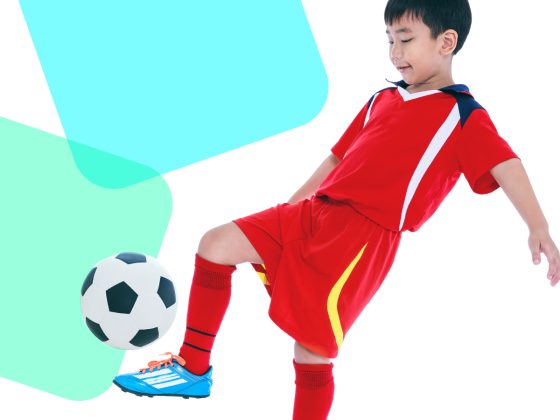
Why Is Physical Play Important?
Play helps children develop gross motor skills and more. Learn about ways you can support physical play.
Little ones are constantly developing their bodies in new ways, learning to jump, climb, skip, and hop—skills that build on one another. Developing gross-motor, or large-muscle, skills helps increase kids’ strength, coordination, and confidence. Here are some ways you can help:
- Introduce a tricycle or pedaling toy.
- Encourage kids to climb and swing at the playground.
- Play catch or kick a ball.
- Get kids involved in individual or group activities such as soccer, jump rope, or swimming.
- Put on some music and dance!
Small-muscle, or fine-motor, skills are another big part of development. Hand-eye coordination lets kids draw, scribble, and write—all important skills for school. Consider these ways to build fine motor skills:
- Do art projects that include drawing, cutting with safety scissors, and pasting.
- Do puzzles that have pieces of different sizes.
- Provide toys that allow for sorting or stacking.
- Play with trains or cars that need to be pushed along a track.
- Create objects by molding clay.
- Give kids practice with buttons and snaps.
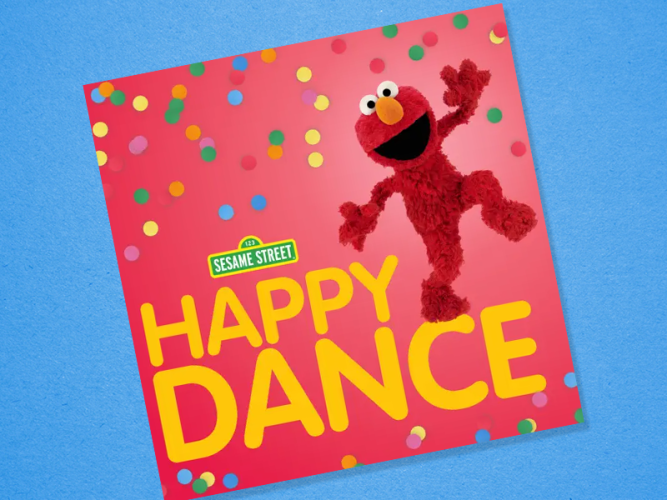
Happy Dance
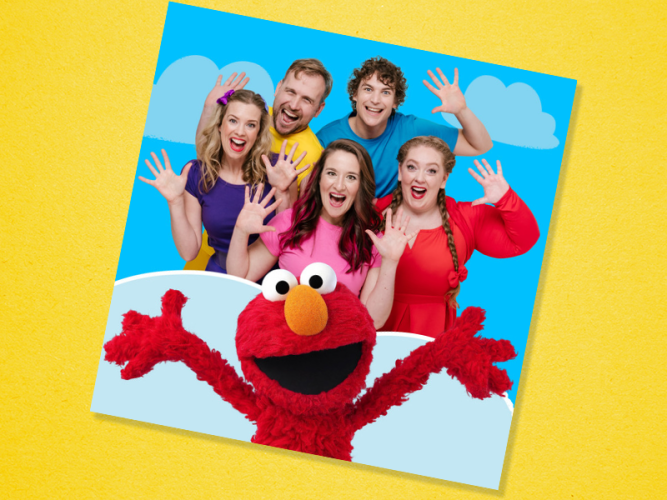
Sesame Street with Bounce Patrol
These high-energy tunes get little ones moving and grooving together.
Sesame Street App
Download the free, official Sesame Street app to watch videos and play fun, educational games in a kid-safe, ad-free environment!
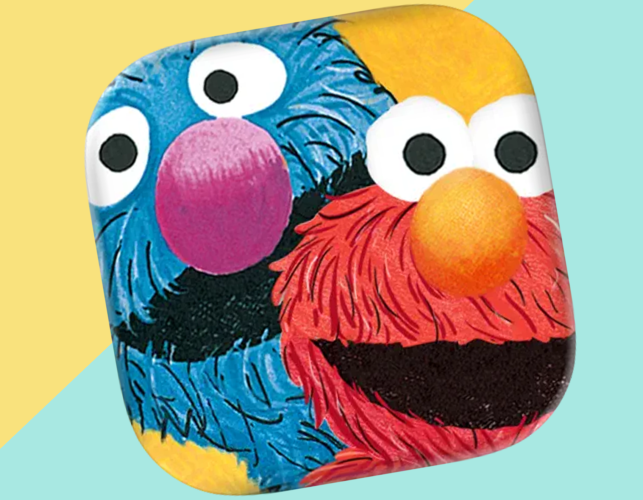
Another Monster at the End of this Book
This is an animated storybook app, which will humorously help teach your child early reading and logic skills.
Adult Teamwork in Children's Tough Moments
When it comes to supporting little ones with big feelings, providers and caregivers work better together!
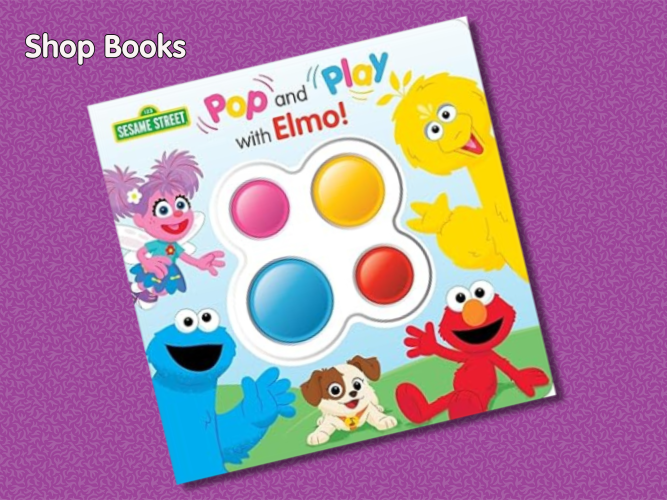
Pop and Play with Elmo!
Wanna mix play and learning? Have your child read Pop and Play with Elmo! to explore counting and colors.
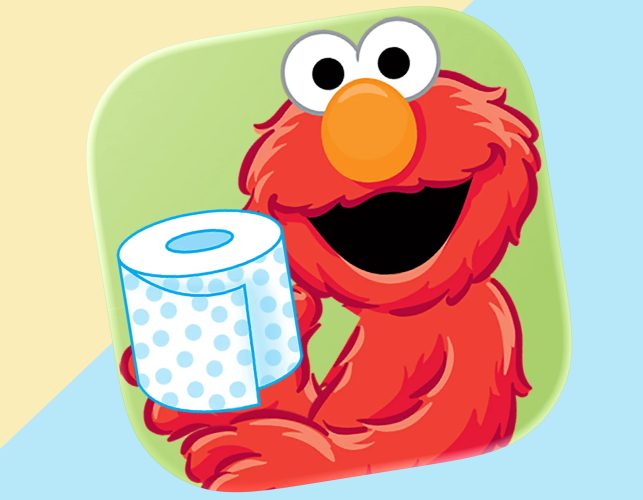
Potty Time with Elmo
Elmo reads this animated storybook in an app filled with games, songs, stickers and potty progress chart that all help ease your child through toilet training.