
Ideas for Poor Air Quality Days
An article with tips on how to prepare for poor air quality days.
Outdoor time is a fun and important part of children’s routines, but some days are less safe for play than others. Due to their lung capacity, immune systems, and more active nature, children are particularly sensitive to poor air quality. Keeping track of and having a plan for poor air-quality days is an important way to keep little ones safe and healthy, and a little preparation goes a long way.
Keep an Eye on the Index
Information is power! You can assess the air quality in your area on any given day by visiting airnow.gov and typing in your zip code. When the index is in the red, purple, or maroon zone, it’s best to limit children’s time outside. For more specific guidance, use this chart from the Environmental Protection Agency (EPA). Create a habit of checking the air quality index, just like you check the weather.
Find the Fun Indoors
The best way to keep children safe on poor air quality days is to spend as much time indoors as possible. You can tell children: Today the air outside isn’t safe for us to breathe. You might notice that the sky is a different color or that the air smells different. We’re going to stay inside until it’s safe. Let’s work together to make our indoor day special. What are some fun indoor activities we could try?
Indoors or outdoors, children need to play and get energy out. When you need to stay inside, have children get their wiggles out through a dance party or interactive game like Simon Says. Explore the links below for inspiration:
Plan Ahead
If your family needs to go outside on a poor air quality day, some extra planning can help. Try to combine errands or drop offs into one trip to limit time outdoors. Heat can increase the effects of poor air quality, so if you need to spend a longer period outside, plan it for cooler parts of the day like early morning or late afternoon. Limit strenuous activities and move a little slower. For children over two (and grown-ups), wearing a smoke-safe mask like a N-95 respirator can help, but the best protection is staying indoors.
Take Stock
Tools like air filters and purifiers can help on poor air quality days. You can make your own low cost and effective air cleaner using a box fan and air filter. Click here for instructions. If your house has an air conditioning system, check that you have the proper filter and replace filters every 60-90 days. For more information, visit the EPA’s website. You don’t need to buy a lot of expensive equipment to keep children safe… simple and sustainable solutions can also work well.
This article was developed in collaboration with:
David Dyjack, DrPH, CIH, is CEO and executive director of the National Environmental Health Association (NEHA). He is a nationally recognized expert in environmental health, with special expertise in the protection of families and children in the indoor environment. His work centers on translating complex environmental health research into clear, evidence-based guidance for policymakers, industry leaders, environmental health professionals and the public.

How to Keep Children Cool in a Heat Wave
Tips on keeping children safe when temperatures rise.
Earthquake Safety for Children
An article about steps your family can take to prepare for an earthquake.

Adjusting to a New Normal
A message of care for those dealing with the long-term effects of an emergency.

You’re Doing Amazing
A message from Sesame Street for caregivers recovering from an emergency.
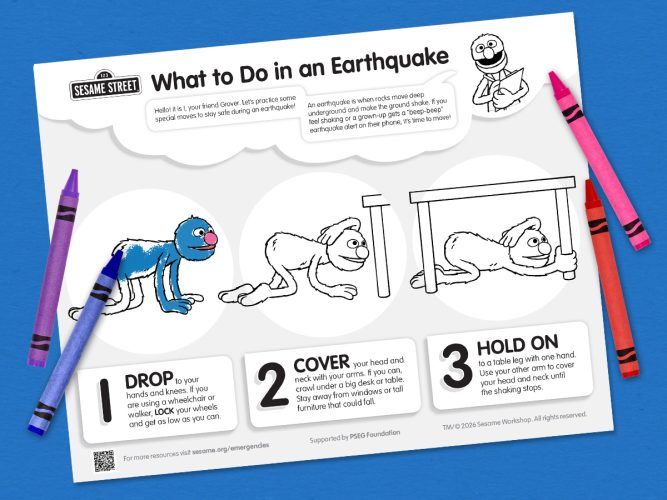
What to Do in an Earthquake for Children |Drop, Cover, Hold On
A safety poster to help children learn how to stay safe in an earthquake.
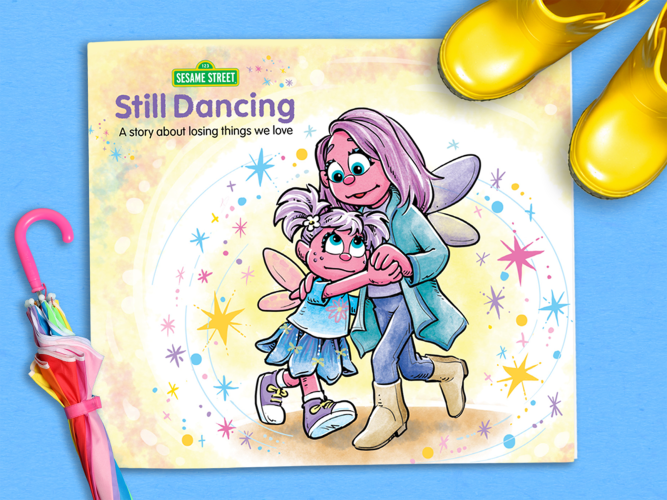
Still Dancing
A storybook to help children cope with losing something they loved.