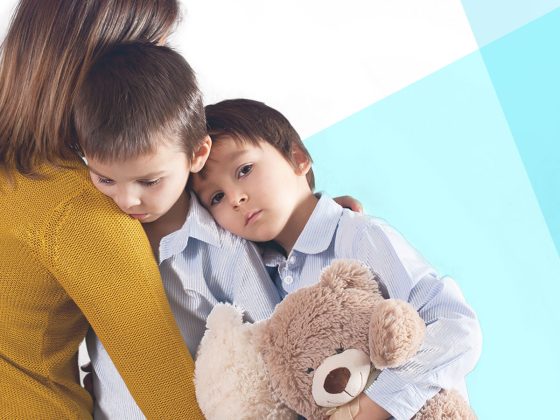
Noticing Signs of Stress
Take note of these signs that a child may need additional help during the grieving process.
Sometimes, children who are grieving can have especially severe reactions. You’ll naturally want to watch kids closely to get as clear a picture as possible of how they’re doing.
Children may:
- have nightmares or scary thoughts, either in general or about the way the loved one died,
- fixate on the circumstance of the person’s death,
- not want to talk about the death or anything (even happy memories) about the deceased person, and
- experience problems with “hyperarousal,” such as trouble sleeping, poor concentration, excessive irritability, or developing new fears.
Parents know their children and their behavior best. If any of these problems are causing concern, reach out for help right away.

The Beauty of Quiet Time Outdoors
Children can begin to recognize nature as a place they can find calm... and be calmed.
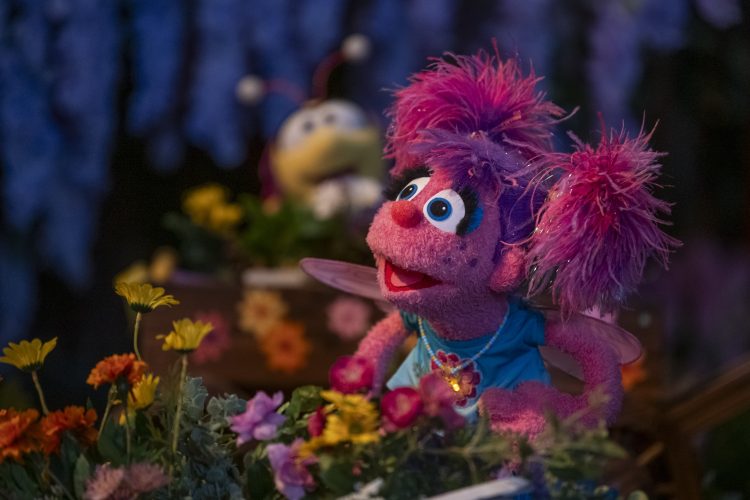
Watch and Play: Abby's Magical Beasties
Watch this episode and explore ways to extend the learning at home.

Sesame Street App
Download the free, official Sesame Street app to watch videos and play fun, educational games in a kid-safe, ad-free environment!

Another Monster at the End of this Book
This is an animated storybook app, which will humorously help teach your child early reading and logic skills.

Adult Teamwork in Children's Tough Moments
When it comes to supporting little ones with big feelings, providers and caregivers work better together!

Pop and Play with Elmo!
Wanna mix play and learning? Have your child read Pop and Play with Elmo! to explore counting and colors.

Potty Time with Elmo
Elmo reads this animated storybook in an app filled with games, songs, stickers and potty progress chart that all help ease your child through toilet training.