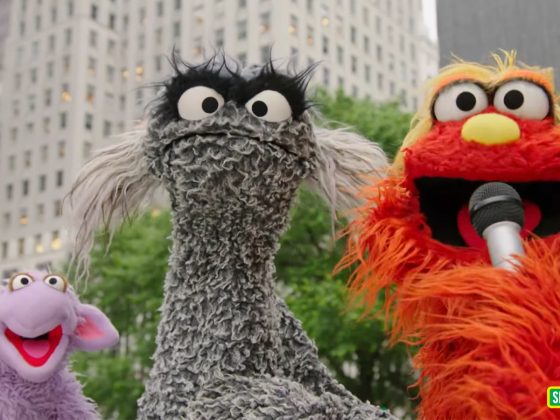
Feelings Have Names
This video features a game show Murray hosts to help us identify emotions and feelings with an array of our favorite Sesame Street characters.
- Watch the video and ask kids to use their faces and bodies to show some different emotions (happy, sad, excited, angry, anxious, grouchy, relaxed).
- Guess which emotions kids are showing. Say how you know: “I think you’re really happy because of the big smile on your face!” or “I think you’re grouchy because you pushed your eyebrows down and crossed your arms.” As you play, kids will be learning the signs and names of different emotions, which will help them talk about their feelings later on.
- Any time you can, name your emotions for kids to show them how to do it. For example, if you’re waiting in a long line at the store, you might say, “I’m feeling impatient right now because there’s a long wait, and we’re in a hurry.” Tell kids what you do when you feel that way, for example: “When I’m feeling impatient, I take three deep breaths.” Ask kids how they’re feeling, and have them try a way of working with that emotion.
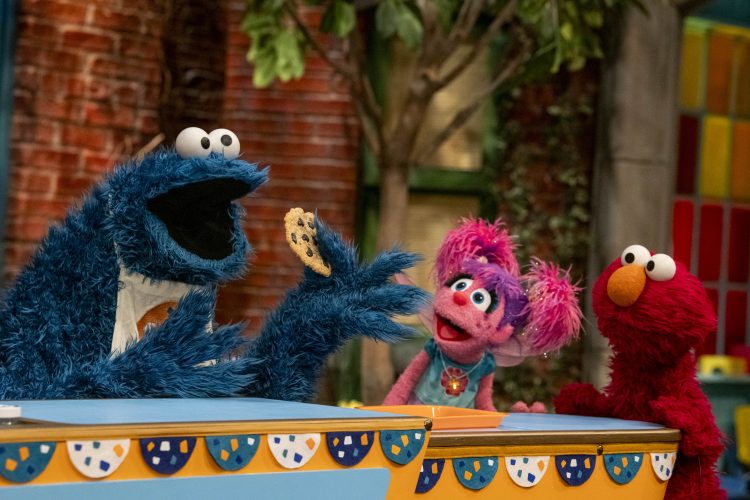
Watch and Play: Cookie Monster's Magical Cart
Watch this episode and explore ways to extend the learning at home.
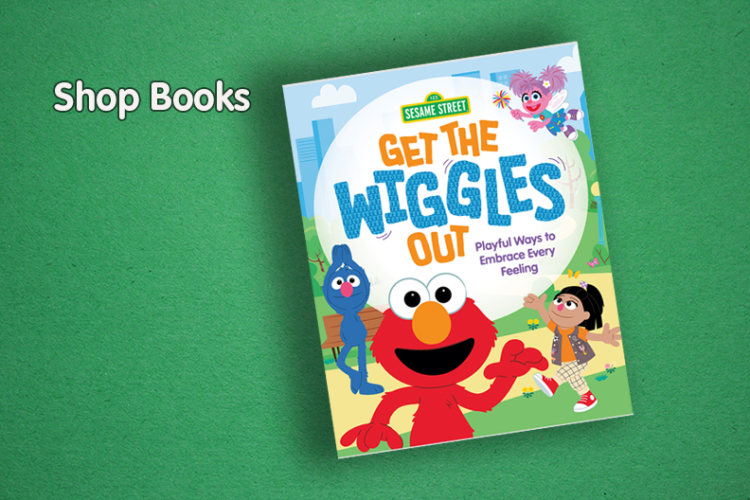
Get The Wiggles Out
Feeling Wiggly? Let's move with together with the Sesame Street characters!
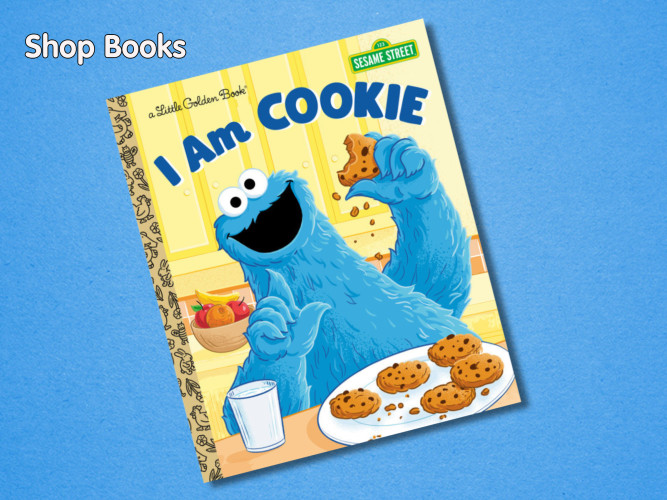
I Am Cookie
It's ALL about Cookie Monster in this new book!
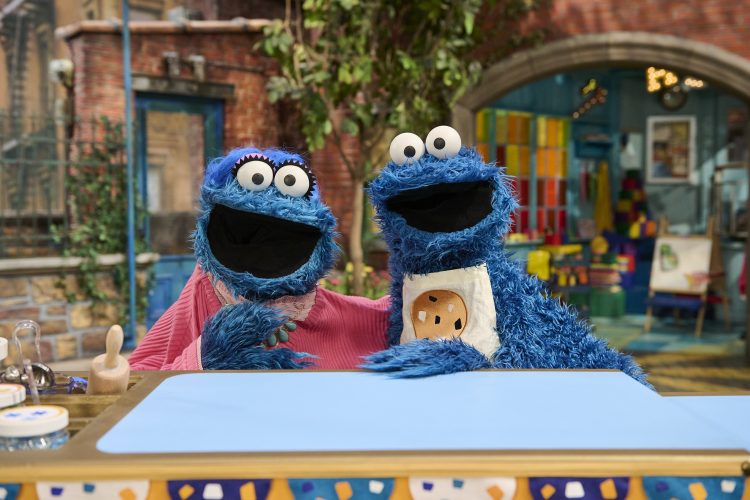
Watch and Play: Cookie Monster's Cookie Cart
Watch this episode and explore ways to extend the learning at home.
The Monster at the End of This Book
This is an animated storybook app, which will humorously help teach your child about emotions and early reading skills.
Happy Dance
Another Monster at the End of this Book
This is an animated storybook app, which will humorously help teach your child early reading and logic skills.