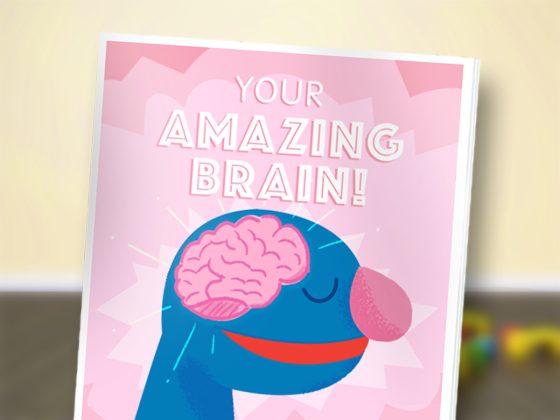
Your Amazing Brain
Grover helps explain our complicated, mysterious, amazing brains.
Written by Samantha Berger
Share Grover’s celebration of the body part that that makes everyone an amazing individual! After reading, consider:
- Remembering and recounting all the amazing facts Grover shares about our brains.
- Talking about ways we can build our brain power—reading, coloring, moving, talking, listening, playing games, and so on.
- Explaining that the brain is hungry! It’s the first of the body’s organs to absorb nutrients. Some foods that benefit kids’ brain function: salmon (for omega-3 fatty acids), eggs, peanut butter, whole grains, oats, berries, beans, colorful vegetables (think spinach!).
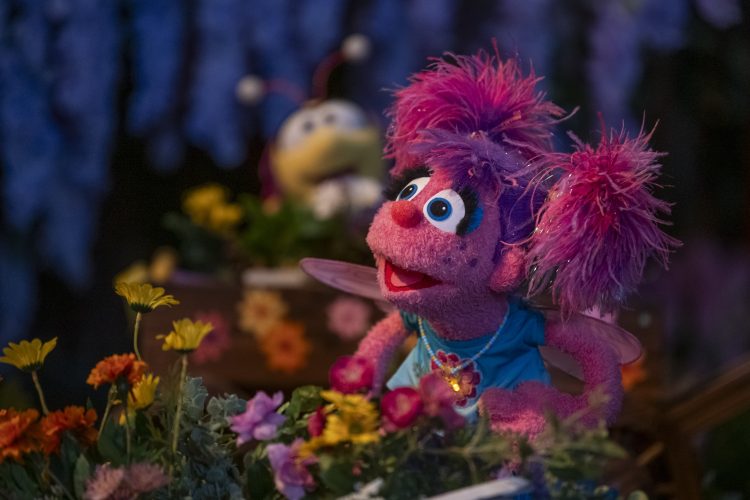
Watch and Play: Abby's Magical Beasties
Watch this episode and explore ways to extend the learning at home.
Sesame Street App
Download the free, official Sesame Street app to watch videos and play fun, educational games in a kid-safe, ad-free environment!
Another Monster at the End of this Book
This is an animated storybook app, which will humorously help teach your child early reading and logic skills.

The Beauty of Quiet Time Outdoors
Children can begin to recognize nature as a place they can find calm... and be calmed.
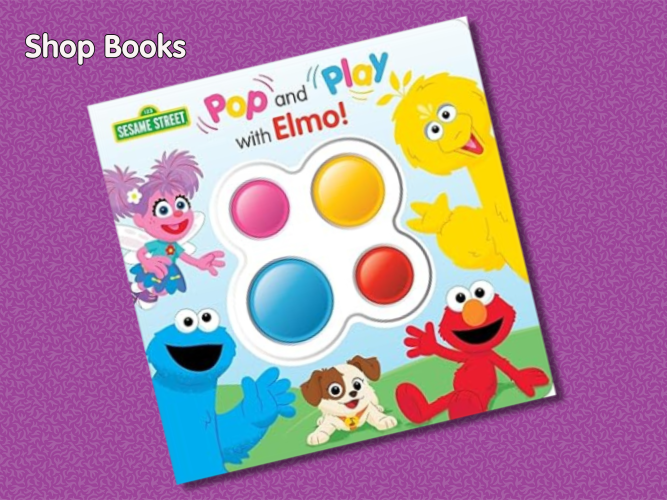
Pop and Play with Elmo!
Wanna mix play and learning? Have your child read Pop and Play with Elmo! to explore counting and colors.
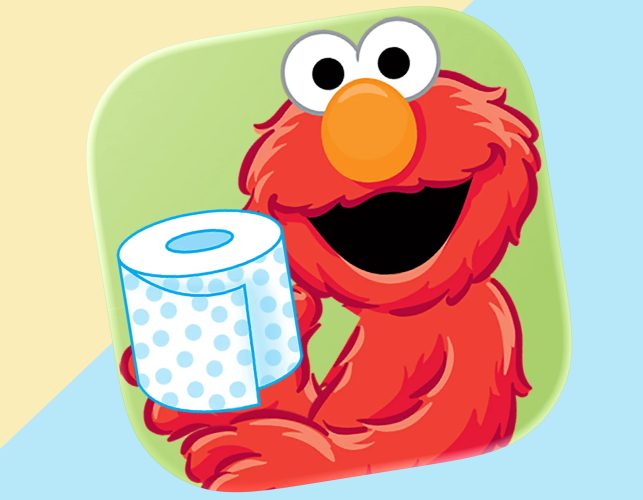
Potty Time with Elmo
Elmo reads this animated storybook in an app filled with games, songs, stickers and potty progress chart that all help ease your child through toilet training.

Adult Teamwork in Children's Tough Moments
When it comes to supporting little ones with big feelings, providers and caregivers work better together!