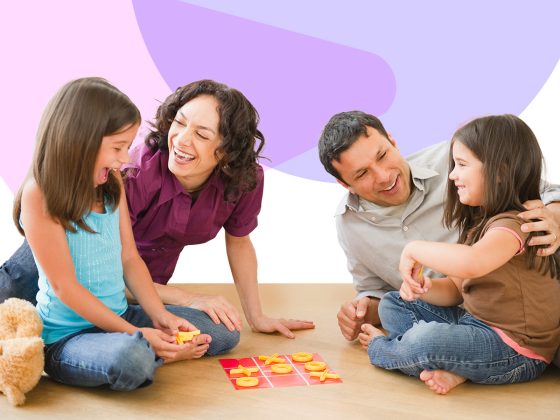
Shaping an Engaging Learning Environment
Your space is full of opportunities for children to learn and grow!
Children learn in so many different ways: from grown-ups, each other, and even the environment. Young children rely on their senses to engage with the world around them and the spaces they are in. When the spaces they are in are safe, accessible, and engaging, the possibilities for learning can be endless.
Consider the following to help you make the most of your space and encourage children to learn and connect with you:
- Organization and safety:
- Look around your space from the level of a child to get a better sense of what they might experience. Are things they need (supplies, toys, comfortable rest areas, etc.) within reach, while unsafe or “grown-up” things are appropriately out of reach?
- Accessibility:
- As you go through your daily routines, consider using a visual schedule or a “First, Then” board to help children get excited about their day and remember what comes next.
- Indoor/outdoor considerations:
- Children may naturally gravitate toward certain spaces: a comfy chair or a shady spot under a tree. Try to notice where they seem to feel at ease, and consider how you might add a special touch to make that space feel even more welcoming to them. You might add a small pillow and blanket to help kids get cozy with a good book. Or you could offer a picnic blanket or bench so they can linger a little longer.
- Play materials:
- Brushing up on childhood milestones can be a great way to make sure the play materials you offer to children are appropriately challenging.
- When choosing toys or other materials, consider how you can support many different types of play. For example, provide board games to encourage structured play, a box of dress-up clothes for dramatic play, and a water table for sensory play.

Adult Teamwork in Children's Tough Moments
When it comes to supporting little ones with big feelings, providers and caregivers work better together!
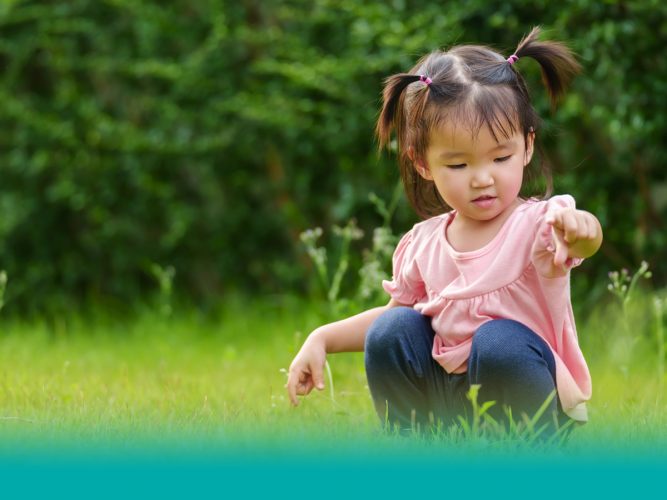
The Beauty of Quiet Time Outdoors
Children can begin to recognize nature as a place they can find calm... and be calmed.
Sesame Street App
Download the free, official Sesame Street app to watch videos and play fun, educational games in a kid-safe, ad-free environment!
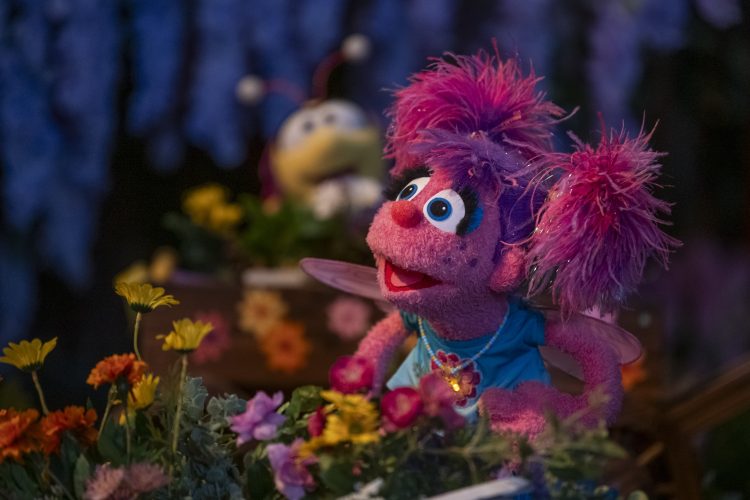
Watch and Play: Abby's Magical Beasties
Watch this episode and explore ways to extend the learning at home.
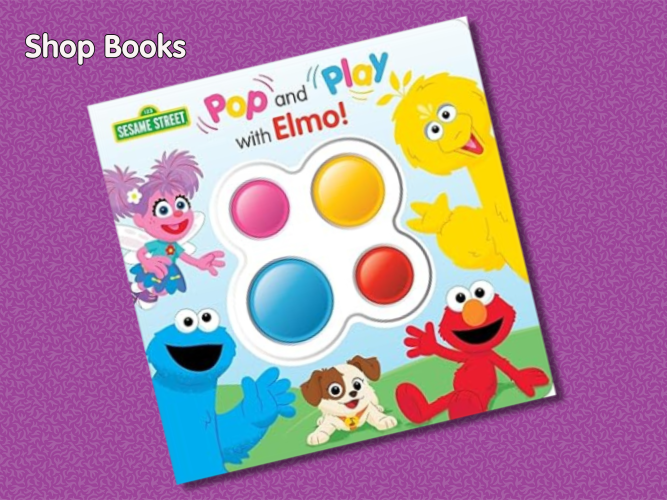
Pop and Play with Elmo!
Wanna mix play and learning? Have your child read Pop and Play with Elmo! to explore counting and colors.
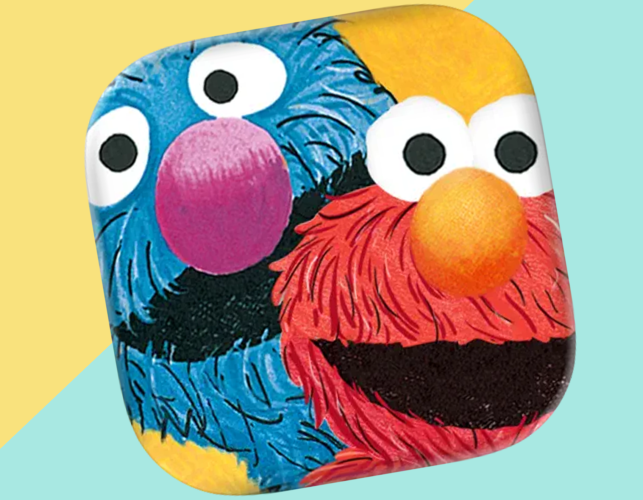
Another Monster at the End of this Book
This is an animated storybook app, which will humorously help teach your child early reading and logic skills.
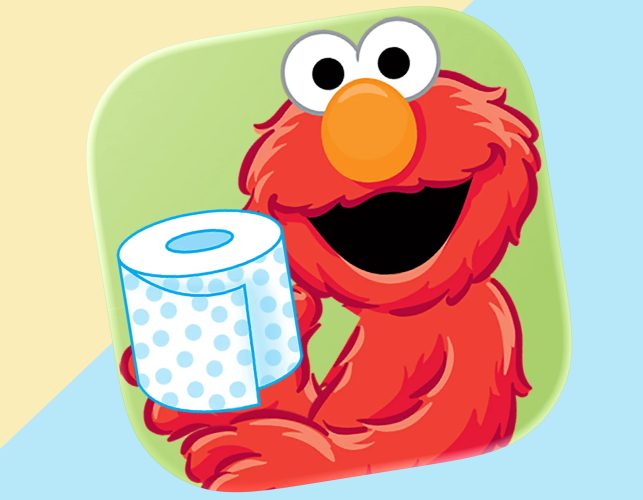
Potty Time with Elmo
Elmo reads this animated storybook in an app filled with games, songs, stickers and potty progress chart that all help ease your child through toilet training.