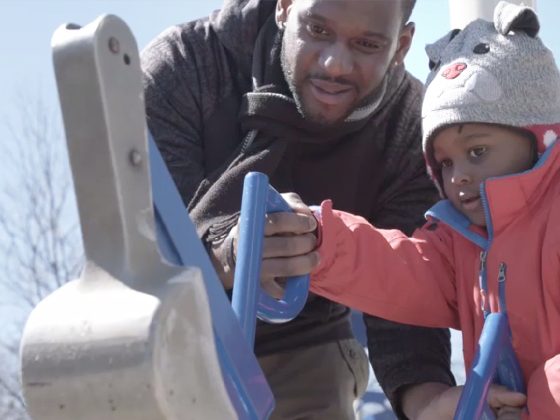
Sensory Learning
Play is how kids explore, discover, and learn about the world around them.
As babies and toddlers begin to explore their home and surroundings, you can keep them safe and engaged as they play and discover. Watch this video and then try some of these playful activities that help children learn through their senses:
- “Tummy time” helps babies learn to hold up their heads, crawl, and focus on their surroundings. Set up a small mirror in front of them so they can see their reflection and expressions.
- Little ones explore by touching everything and anything! Find safe objects of different textures for children to touch and explore. Try a cotton ball, a cardboard box, a small plastic bottle with water, some plastic containers, and a wooden spoon.
- Sounds are all around us, and kids love making their own sounds and music! Set up homemade instruments to play with: a pot and spoon can be a drum set, and a paper-towel roll with holes poked in it can be a “flute.” Encourage siblings to play with sounds together, and use their voices to sing along.
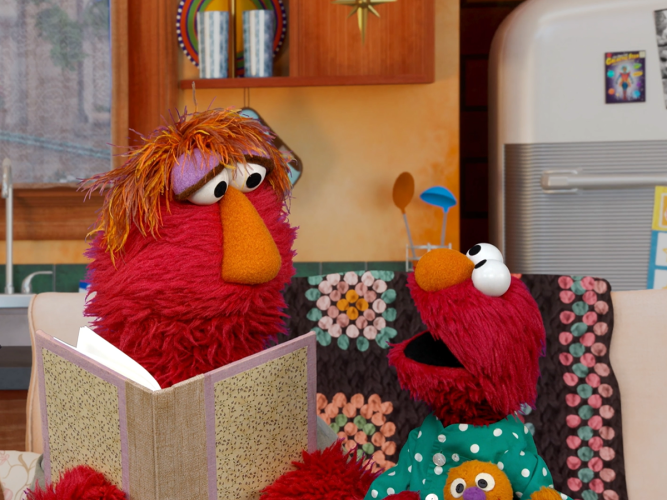
Go To Sleep, Elmo!
Handling a middle-of-the-night monster moment.
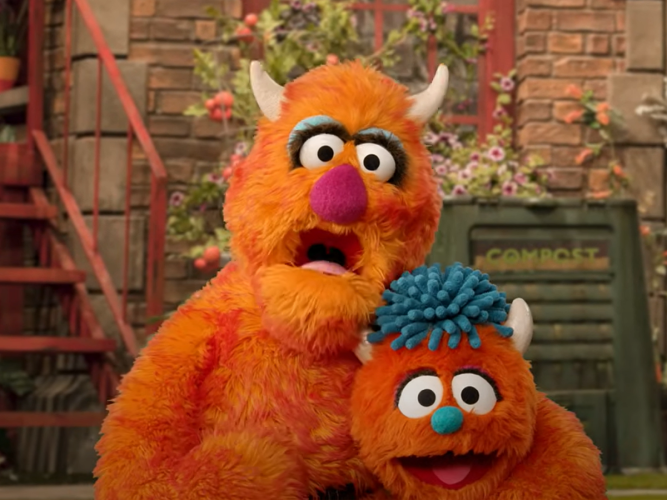
Monster Meltdown
Meltdowns happen… but they are somewhat predictable! As you try to handle them, curiosity and patience go a long way.
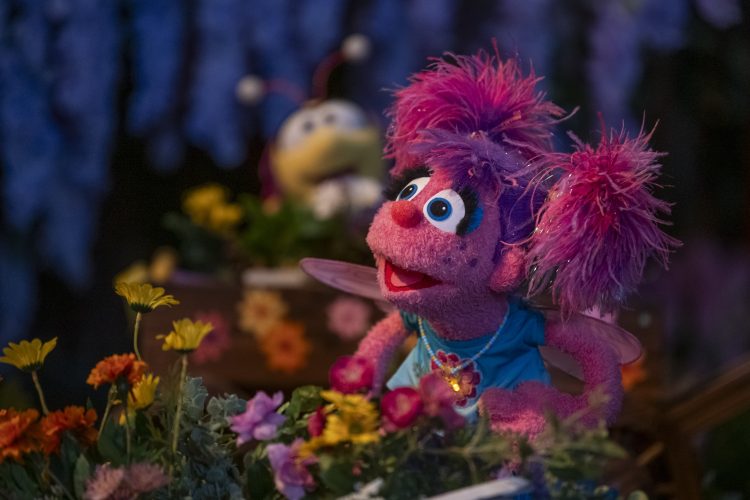
Watch and Play: Abby's Magical Beasties
Watch this episode and explore ways to extend the learning at home.
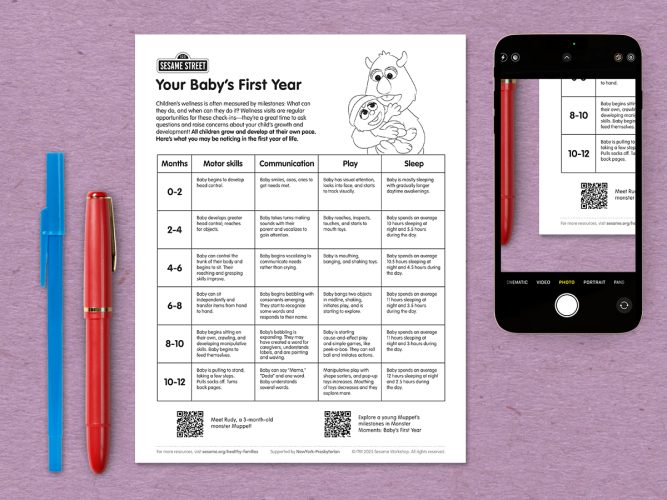
Milestones: Your Baby’s First Year
All children grow and develop at their own pace; use this chart to guide your expectations and observations so you can talk to your child’s pediatrician about questions or concerns.
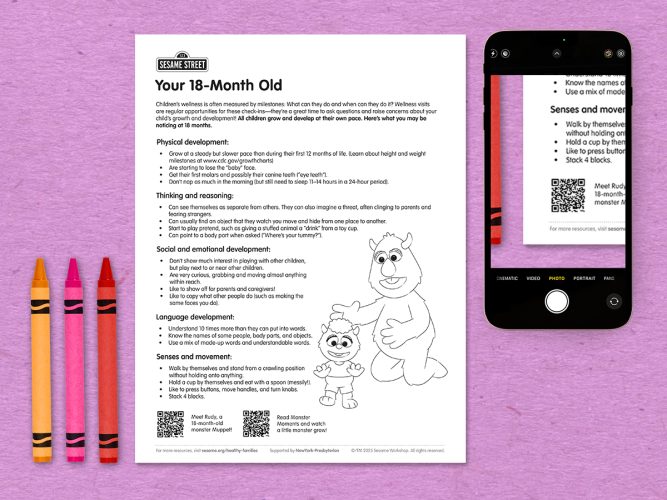
Milestones: Your 18-Month Old
All children grow and develop at their own pace; use this chart to guide your expectations and observations so you can talk to your child’s pediatrician about questions or concerns.
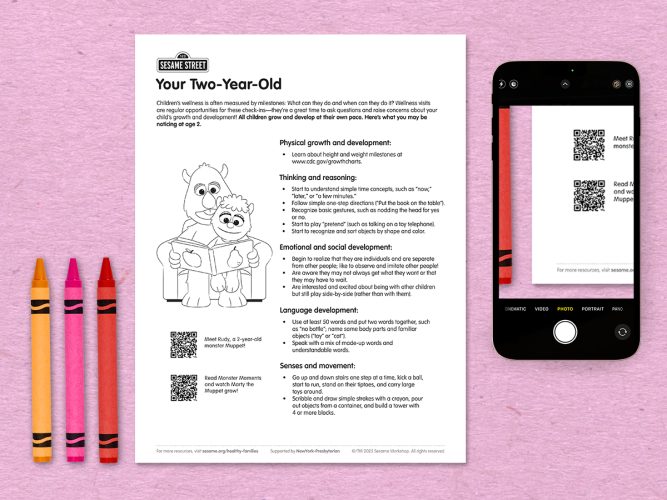
Milestones: Your Two-Year-Old
All children grow and develop at their own pace; use this chart to guide your expectations and observations so you can talk to your child’s pediatrician about questions or concerns.
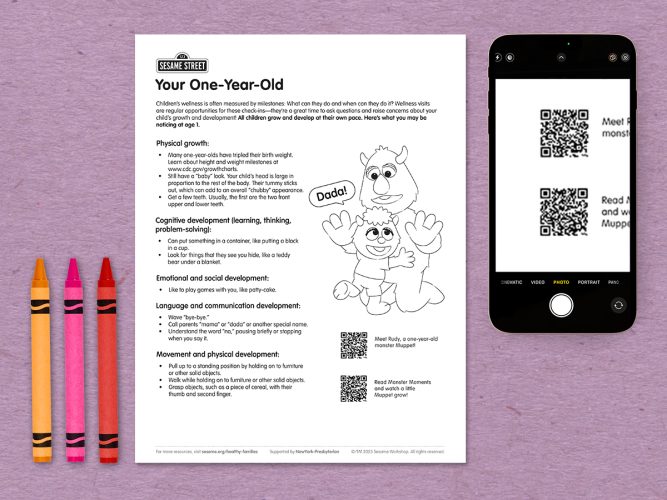
Milestones: Your One-Year-Old
All children grow and develop at their own pace; use this chart to guide your expectations and observations so you can talk to your child’s pediatrician about questions or concerns.
