
Saying “No”
Help children manage emotions, make good choices, and stay safe.
Managing behavior means reminding children that there are rules they need to follow so they can have fun and stay safe. Every family has different ways of saying “no” or managing their child’s behavior. As a caregiver, it’s important to be on the same page with parents on ways they’d like you to continue their approach while their child is with you. Here are some topics and questions you might bring up:
- Connect with parents about ways they guide the child’s behavior at home. Ask, “How do you communicate ‘no’ so that your child understands?”
- Ask about any rules children follow at home such as washing hands before meals or putting toys away after playing with them. Check to see if there are any rules the child has a particularly difficult time following, and discuss ways parents might suggest helping the child learn to follow the rule.
- Talk with parents about ways they reward the child for good behavior, and how you might do so in care.

The Beauty of Quiet Time Outdoors
Children can begin to recognize nature as a place they can find calm... and be calmed.
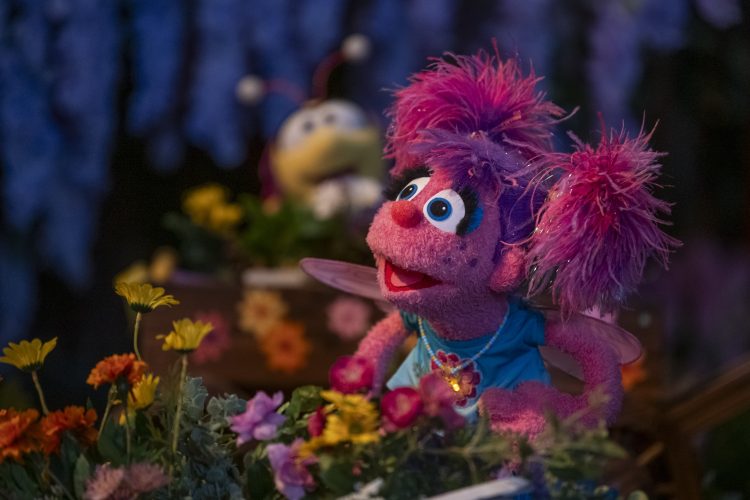
Watch and Play: Abby's Magical Beasties
Watch this episode and explore ways to extend the learning at home.
Sesame Street App
Download the free, official Sesame Street app to watch videos and play fun, educational games in a kid-safe, ad-free environment!

Adult Teamwork in Children's Tough Moments
When it comes to supporting little ones with big feelings, providers and caregivers work better together!
Another Monster at the End of this Book
This is an animated storybook app, which will humorously help teach your child early reading and logic skills.
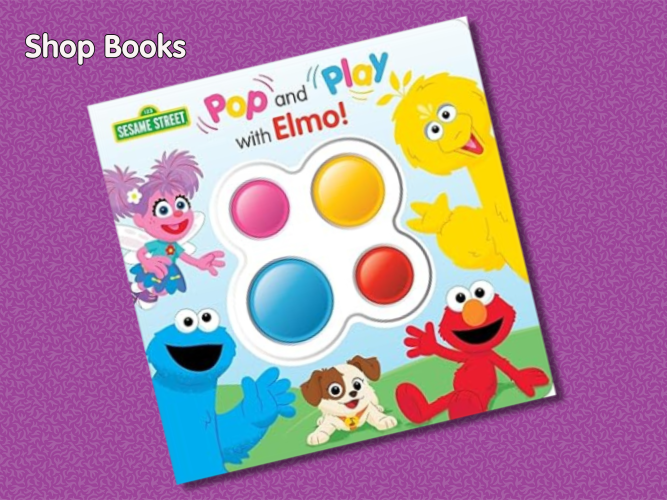
Pop and Play with Elmo!
Wanna mix play and learning? Have your child read Pop and Play with Elmo! to explore counting and colors.
Potty Time with Elmo
Elmo reads this animated storybook in an app filled with games, songs, stickers and potty progress chart that all help ease your child through toilet training.