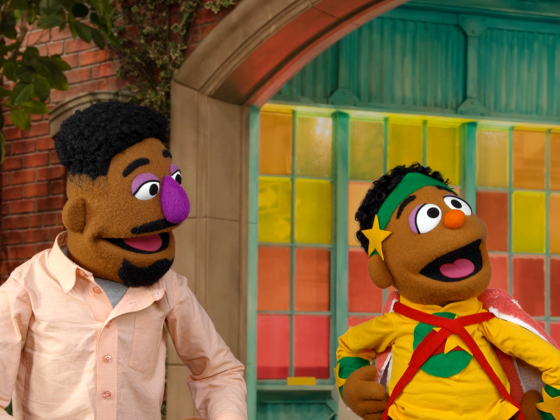
Parenting Moment: Imitating
Playing is learning! The way you play with children matters… your actions and words have power.
You can support children’s development by imitating—doing what they’re doing! This helps children feel important and helps you connect; it all starts with following children’s lead. It helps kids feel what they are doing is important and interesting. It allows parents to get on kids’ level and follow their lead as “play experts.” It helps with social skills because it’s a great way to practice back-and-forth social exchanges.
Imitation is about doing what children are doing– playing in a similar way or making similar gestures. For instance, if your child is:
- playing with a toy car, you can imitate by doing the same motions and saying, “I’m going to try to make my blue monster mobile move as fast as yours.”
- making cupcakes from clay, you can say “those look yummy, I’m going to try it too” and make the same kind of shape your child is making.
- rocking a baby doll, you can say “You’re holding your baby so closely and rocking gently, I’m going to hold my doll and rock this doll just like you’re doing.”
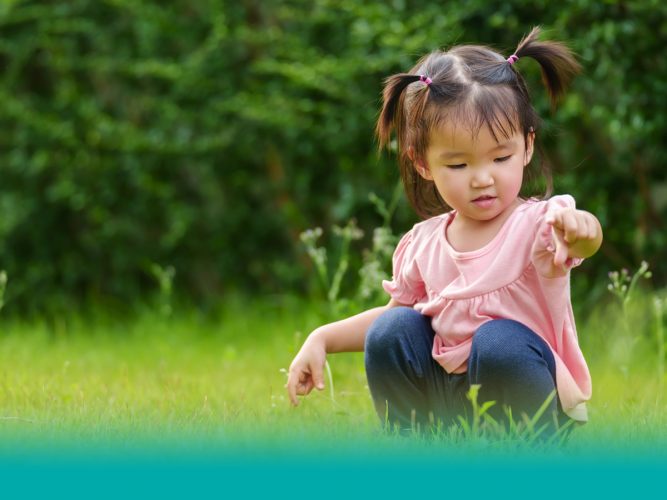
The Beauty of Quiet Time Outdoors
Children can begin to recognize nature as a place they can find calm... and be calmed.
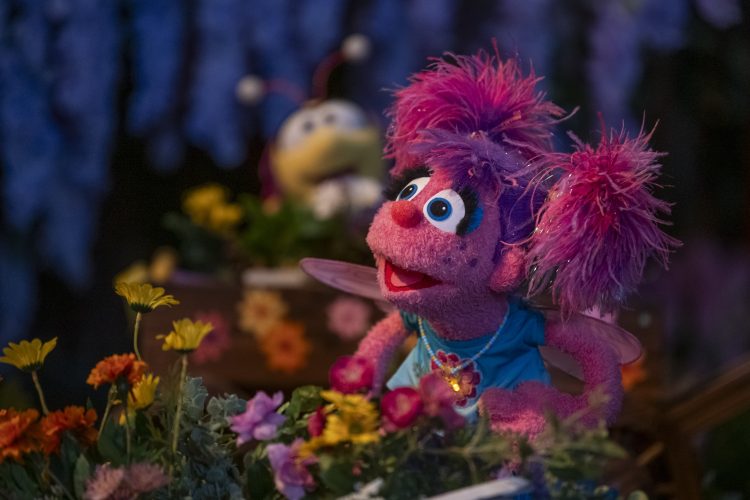
Watch and Play: Abby's Magical Beasties
Watch this episode and explore ways to extend the learning at home.

Sesame Street App
Download the free, official Sesame Street app to watch videos and play fun, educational games in a kid-safe, ad-free environment!
Another Monster at the End of this Book
This is an animated storybook app, which will humorously help teach your child early reading and logic skills.
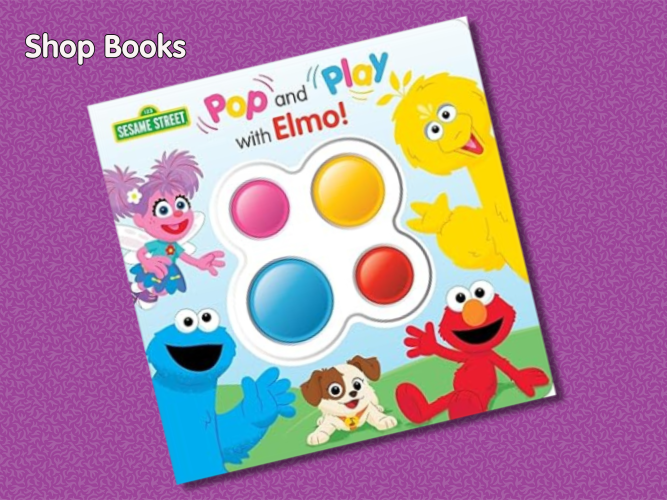
Pop and Play with Elmo!
Wanna mix play and learning? Have your child read Pop and Play with Elmo! to explore counting and colors.

Potty Time with Elmo
Elmo reads this animated storybook in an app filled with games, songs, stickers and potty progress chart that all help ease your child through toilet training.

Adult Teamwork in Children's Tough Moments
When it comes to supporting little ones with big feelings, providers and caregivers work better together!