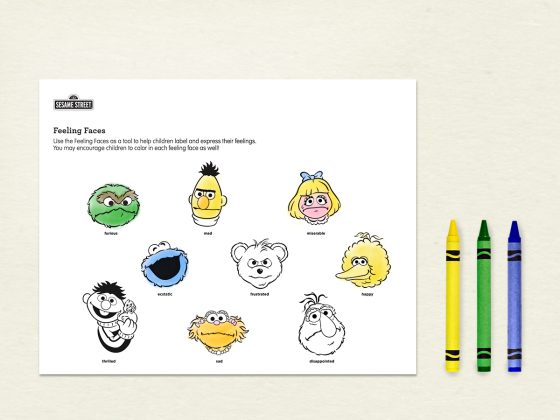
Naming and Expressing Feelings
Teach children to understand and manage their big feelings.
- Print out this page and ask kids to point to a face and name the emotion. Give examples of when one of you has felt (or might feel) that way: “I feel ecstatic (really happy and excited) when it’s my birthday,” or “I felt sad when I broke my favorite toy” or “I feel frustrated if I have to wait to use the swing.” Explain that all the feelings are okay.
- Invite children to look at the feeling faces and choose one feeling to show on their own face. Try to guess what that feeling is. Can kids think of a time when they felt that way?
- Repeat with the different feelings. When challenging behavior occurs in the future, ask kids to name their feelings. You can refer to the chart, too.

The Beauty of Quiet Time Outdoors
Children can begin to recognize nature as a place they can find calm... and be calmed.
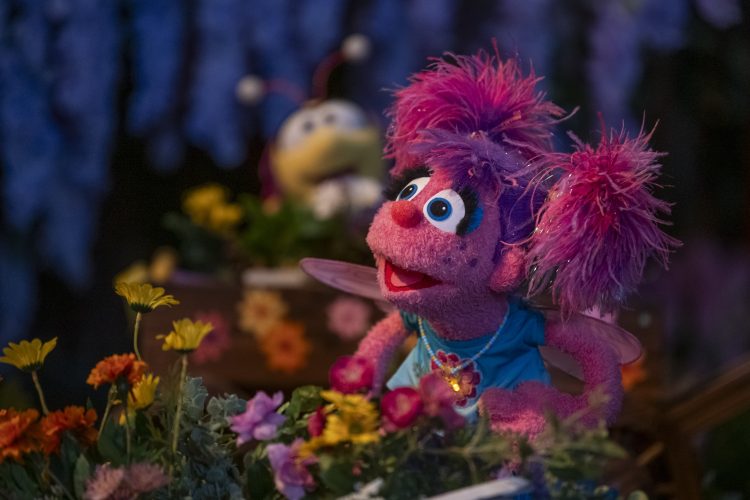
Watch and Play: Abby's Magical Beasties
Watch this episode and explore ways to extend the learning at home.
Sesame Street App
Download the free, official Sesame Street app to watch videos and play fun, educational games in a kid-safe, ad-free environment!
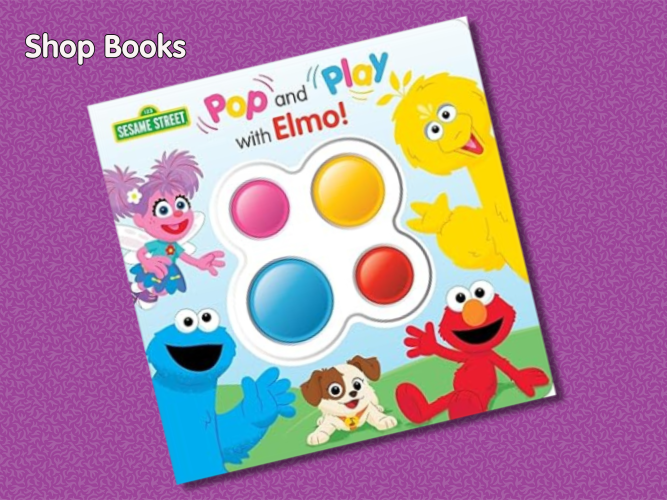
Pop and Play with Elmo!
Wanna mix play and learning? Have your child read Pop and Play with Elmo! to explore counting and colors.
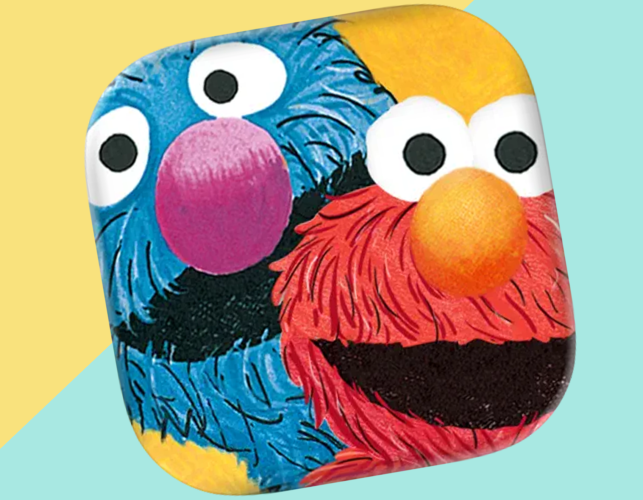
Another Monster at the End of this Book
This is an animated storybook app, which will humorously help teach your child early reading and logic skills.
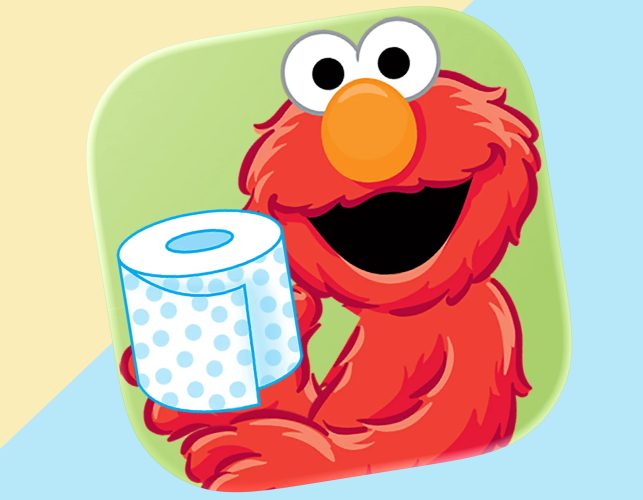
Potty Time with Elmo
Elmo reads this animated storybook in an app filled with games, songs, stickers and potty progress chart that all help ease your child through toilet training.

Adult Teamwork in Children's Tough Moments
When it comes to supporting little ones with big feelings, providers and caregivers work better together!