
Mindful Parenting
Try these tips for remaining calm during stressful family moments.
Children are learning to express their emotions. They don’t yet have the tools to talk about their feelings and this can lead to big frustration and bigger meltdowns.
As parents and caregivers, it’s your job to be supportive even when children are expressing big emotions. This will help them manage their reactions and allow them to feel safe when confronting scary feelings. But remaining calm can be a tricky task. Consider these ideas:
- If you feel yourself getting stressed and overwhelmed, try to remain present in the moment. Notice what you see around you. What do you hear? What sensations do you feel in your body?
- Take a minute to be aware of your feelings. If you feel too stressed and overwhelmed to help your child through a big emotion, it’s okay to take a moment to step away. Let your child know, “I’m having big feelings too. I’m going to go stand in that corner and take ten deep breaths. That will help me to calm down so that I can help you.”
- Remind yourself that you’re good enough. Sometimes just getting through the day is a major feat. Be kind to yourself. You can’t be at your best everyday. It’s okay to fail big sometimes.
- Find your “happy place.” It may sound silly, but it can help to think of a happy memory or imagine a peaceful location.

The Beauty of Quiet Time Outdoors
Children can begin to recognize nature as a place they can find calm... and be calmed.
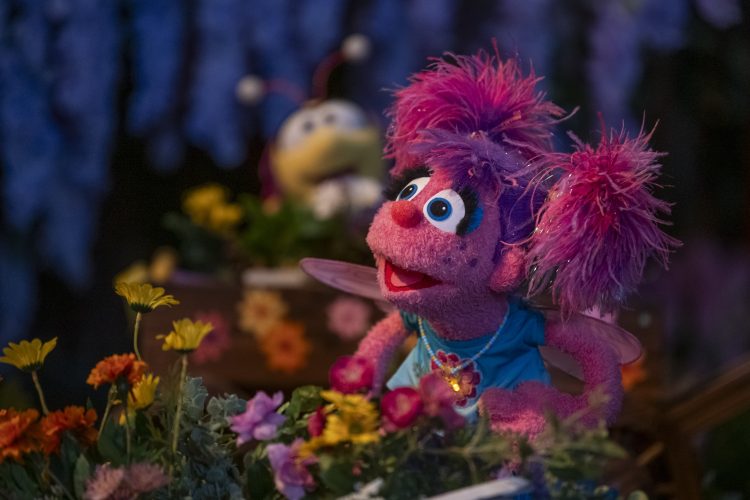
Watch and Play: Abby's Magical Beasties
Watch this episode and explore ways to extend the learning at home.
Sesame Street App
Download the free, official Sesame Street app to watch videos and play fun, educational games in a kid-safe, ad-free environment!
Another Monster at the End of this Book
This is an animated storybook app, which will humorously help teach your child early reading and logic skills.

Adult Teamwork in Children's Tough Moments
When it comes to supporting little ones with big feelings, providers and caregivers work better together!
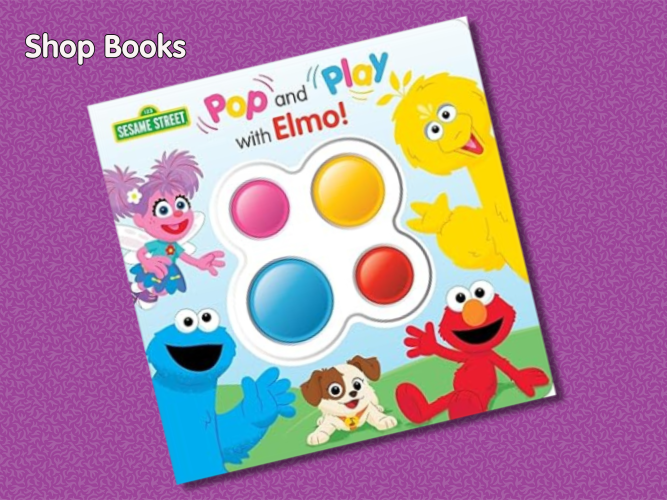
Pop and Play with Elmo!
Wanna mix play and learning? Have your child read Pop and Play with Elmo! to explore counting and colors.
Potty Time with Elmo
Elmo reads this animated storybook in an app filled with games, songs, stickers and potty progress chart that all help ease your child through toilet training.