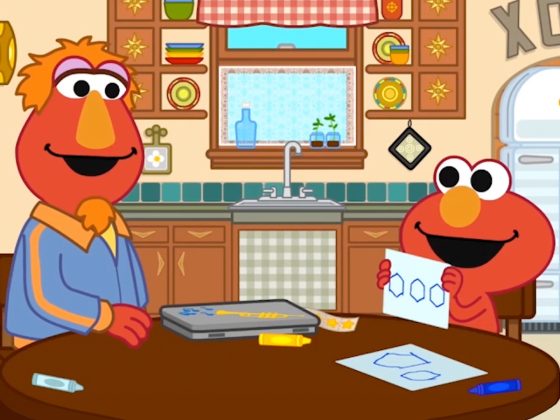
Building Confidence with Elmo and Louie
Self-confidence is the steppingstone to mastering new things; by believing in themselves, children will find it easier to believe in their ability to succeed.
Learning a new skill can be frustrating! In this video, Elmo is having a hard time drawing a hexagon–until his dad steps in to help build his confidence.
Before watching: Explain it takes time to learn new things. Remind your child about all the new things he or she has learned recently. Wow! Ask: Did you get it perfectly the very first time?
While you watch: Point out Elmo’s different feelings as he attempts to draw the hexagon. First he is frustrated, then he shows persistence, and finally he can be proud of his new accomplishment.
After watching: Talk about the things your child is learning right now. Break it down into smaller pieces–for example, tying shoelaces can be broken down into several small steps. It’s important to remember: It’s not just yes, I can do it or no, I can’t. When you talk about progress, it can be expressed in positive language, such as “not yet” or “soon, I bet.”
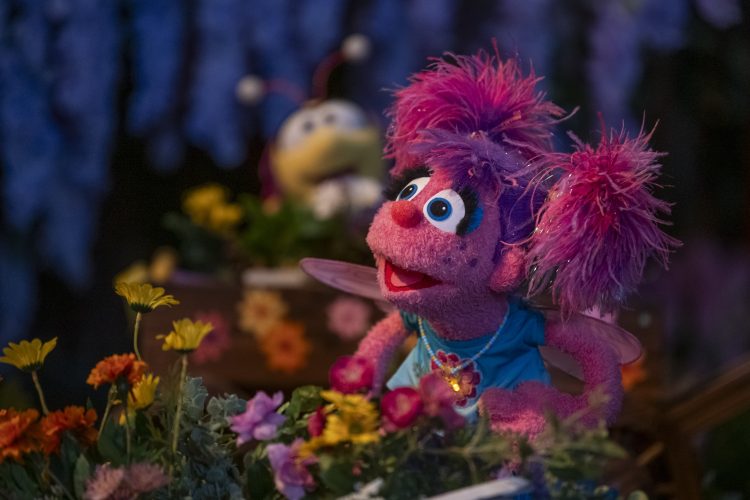
Watch and Play: Abby's Magical Beasties
Watch this episode and explore ways to extend the learning at home.

Sesame Street App
Download the free, official Sesame Street app to watch videos and play fun, educational games in a kid-safe, ad-free environment!

The Beauty of Quiet Time Outdoors
Children can begin to recognize nature as a place they can find calm... and be calmed.

Pop and Play with Elmo!
Wanna mix play and learning? Have your child read Pop and Play with Elmo! to explore counting and colors.
Another Monster at the End of this Book
This is an animated storybook app, which will humorously help teach your child early reading and logic skills.

Potty Time with Elmo
Elmo reads this animated storybook in an app filled with games, songs, stickers and potty progress chart that all help ease your child through toilet training.

Adult Teamwork in Children's Tough Moments
When it comes to supporting little ones with big feelings, providers and caregivers work better together!