Brain Builders
In this webinar, take time to remember just how important you are to the wellbeing and development of children in your care. You truly are a brain builder!
Small moments spent with a caring grown-up can help children build positive connections in their brain that can help them in school and in life. In this webinar, take time to remember just how important you are to the wellbeing and development of children in your care. You truly are a brain builder! Learn strategies for creating quality interactions with kids from our friends on Sesame Street. Leave with a sense of renewed encouragement and commitment as you continue in your important work with children and families.
Learning Goals:
- Remember how important you are in a child’s life.
- Gain actionable strategies to use to support children and families.
- Renew your commitment to caring for kids!
Did you know you can earn a certificate for participating in this training? Register above and watch the video before taking our assessment quiz. Pass the quiz to download your certificate for this 30min webinar.
Already passed the quiz? To access your certificate go to your profile and tap “certificates.”


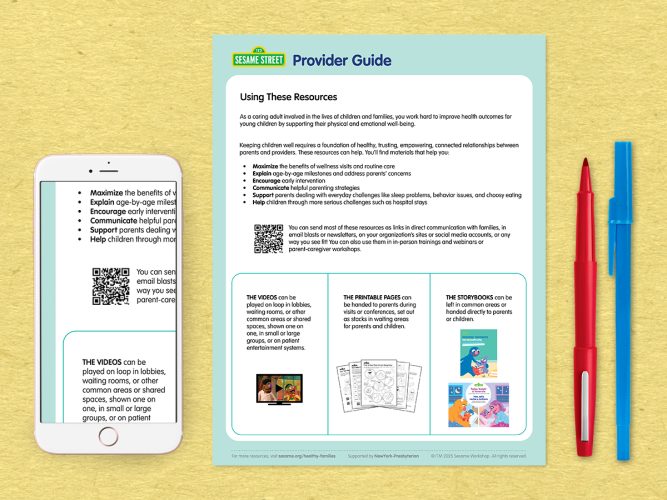
For Providers: Using These Resources
Print and refer to this page as you implement the materials in this initiative.
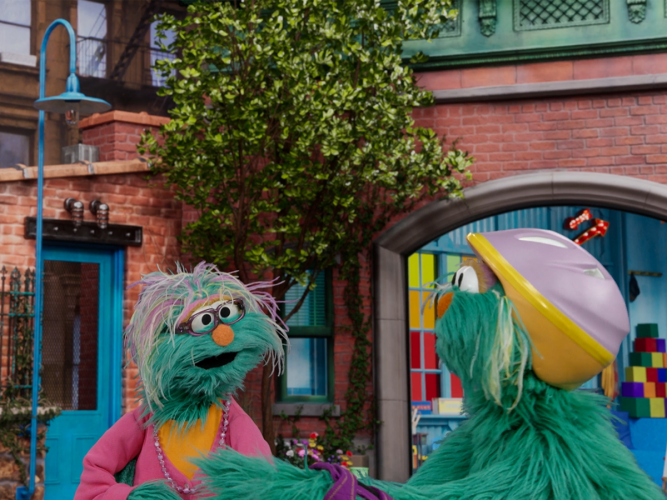
Parenting Moment: Describing
The way you talk with children matters! Your words have power.
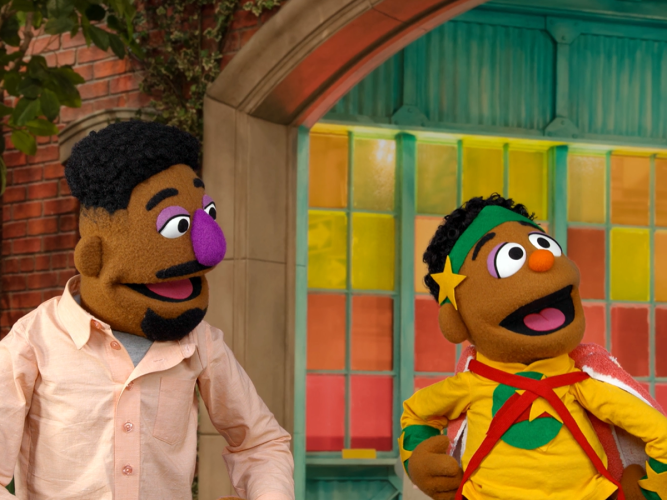
Parenting Moment: Imitating
Playing is learning! The way you play with children matters… your actions and words have power.
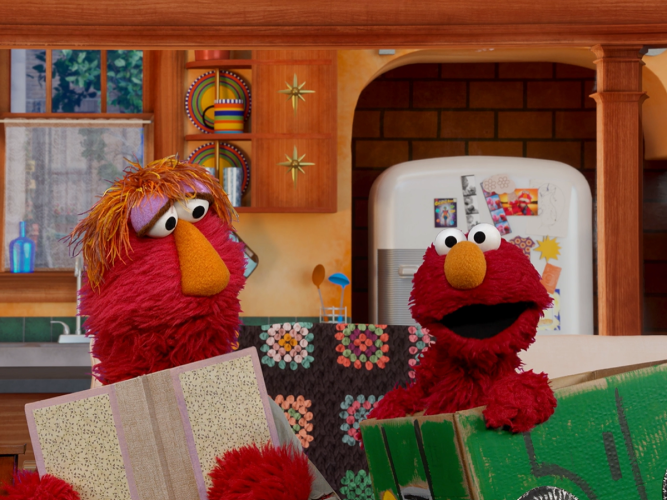
Parenting Moment: Reflecting
The way you talk with children matters… your words have power!
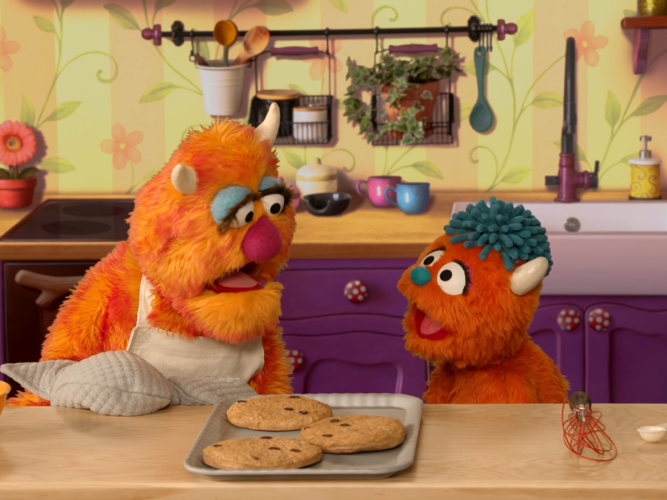
Parenting Moment: Enjoying!
Showing you enjoy your time together with your child builds your special bond. And when you’re being positive, your little one is more likely to do the same.

The Power of Following Children’s Lead
Joining children in their play offers so many opportunities to encourage, communicate, bond, spark and share joy, teach, show warmth and kindness, and help them thrive.
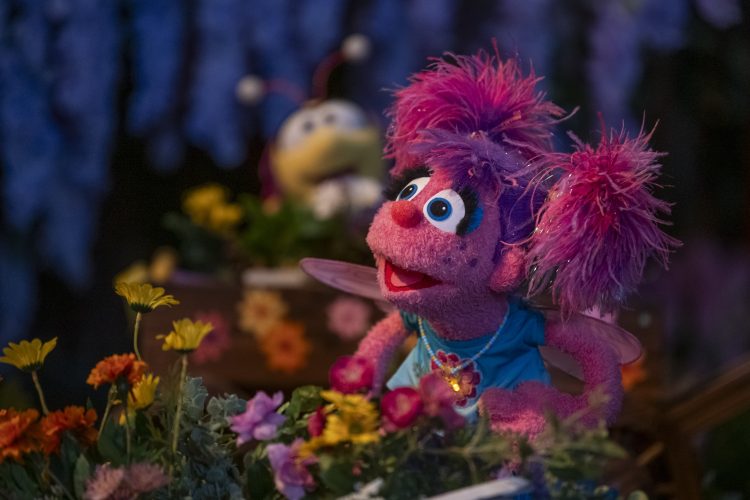
Watch and Play: Abby's Magical Beasties
Watch this episode and explore ways to extend the learning at home.
