
Watch and Play: Elmo’s Magnificent Mini City
Watch this episode and explore ways to extend the learning at home.
In the Sesame Street episode Elmo’s Magnificent Mini City, (available now on Netflix and PBSKIDS), it’s a very hot day on Sesame Street. Unfortunately, it’s so hot that Abby, Elmo, and Julia can no longer visit the Magnificent Mini City; a mini city with lots of buildings and skyscrapers. They are disappointed and reluctantly go inside Hooper’s Store, a cooling center for Sesame Street.
Abby and Elmo start playing on their tablets when Julia notices an empty box and turns it into a building. Abby joins in to help and soon they make their very own mini city. Alan suggests that Elmo join in on the fun, but he is too busy playing on his tablet.
Abby and Julia are putting the finishing touches on their mini city when all of a sudden Alan notices two penguins about to crash into it. Alan calls out for help, but Elmo is so focused on his tablet, he doesn’t look up. Oh no! The mini city is destroyed. Alan reminds Elmo about the importance of taking a break from screens and trying something new. Elmo apologizes to Abby and Julia and asks to help them rebuild their city, an offer they happily accept!
Preschoolers naturally love playing on tablets. They can be fun and engaging. However, preschoolers need movement, hands-on play, and social interactions to build important developmental skills.
Just like when Abby and Julia used their imaginations to build a mini city, children use their imaginations when engaging in role pay, outdoor fun, or a creative art activity. When preschoolers are moving, climbing, or running they are developing gross motor skills. Painting, cutting, or drawing helps little ones develop fine motor skills (the same skills needed for proper pencil grip when they get older!) Sensory play, like playing with playdough or sand builds problem-solving skills and focus.
Like Elmo, little ones can have a hard time putting down their tablets. Next time your child resists transitioning to a new activity, give them a five-minute warning. A simple, “Five more minutes, then we’re turning it off” can help little ones with the transition (visual reminders can be also helpful so that your child can hear and see when to stop). Suggest other appealing and fun activities, such as making a fort, coloring, or building a block city. Give your child options to help them have decide what happens next. Check out the additional resource below to build healthy screentime habits:
Watch this episode and explore ways to extend the learning at home.
Find this episode on Netflix, PBS Kids, or Nationwide Public Television (Check local listings).
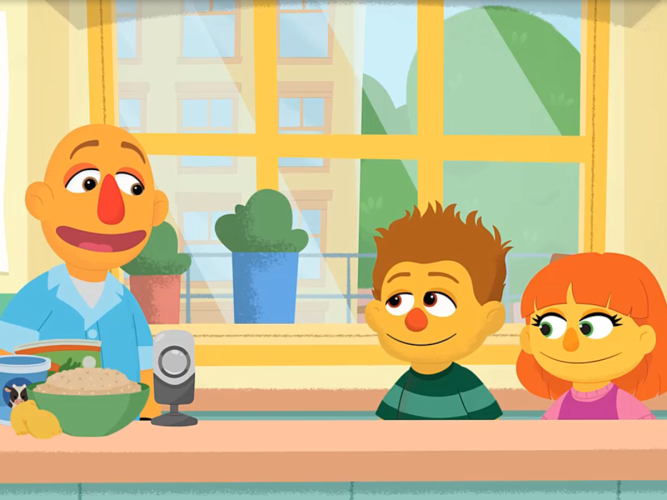
AI and Us
A video about explaining AI to young children… and using it together as a family in helpful, interesting ways.
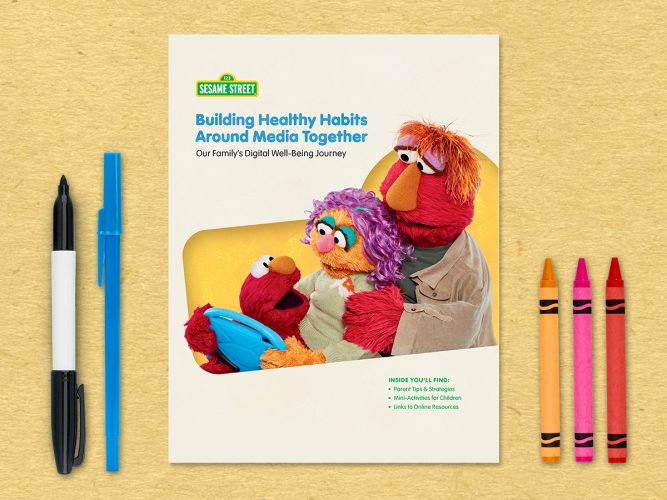
Building Healthy Habits Around Media Together: Our Family’s Digital Well-Being Journey
A family activity book with tips, strategies, and activities for building healthy habits around technology.
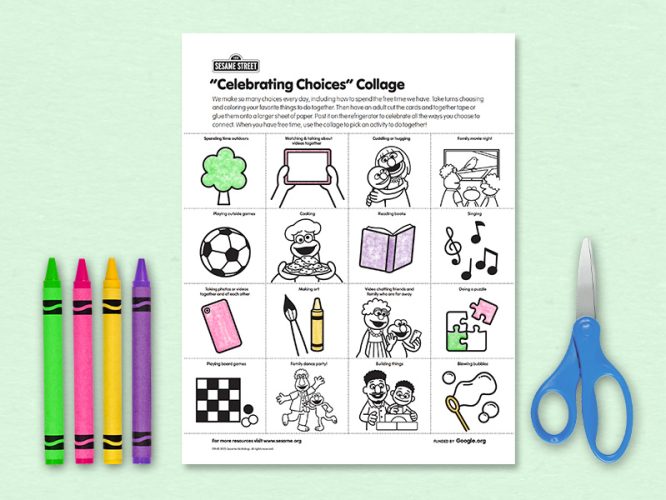
“Celebrating Choices” Collage
Celebrate the ways you choose to spend time together as a family!
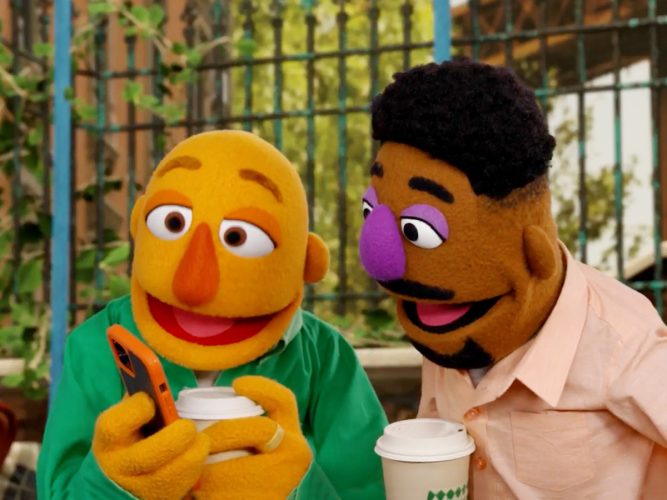
Learn Along the Way
Watch this video to see how Elijah and Daniel navigate changes in media and technology with a positive attitude.

Making Healthy Choices Around Digital Media: A Conversation with Vikki Katz, Ph.D.
Learn strategies for making good choices for your family's digital well-being from expert Vikki Katz, Ph.D.

Screen Time & Safety Tips
Information and resources about screen time, online safety for kids, and digital well-being.