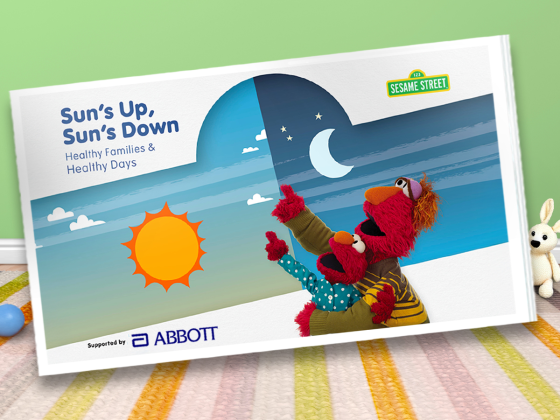
Sun’s Up, Sun’s Down: Healthy Families & Healthy Days
A storybook about all the healthy habits that make up our daily routines!
Share this storybook with children and notice all the healthy habits the Sesame Street friends demonstrate over the course of the day. And all the little habits add up to healthy families having healthy days and nights!
On each page, help children notice where the sun is in the sky. In this story—and in real life—the day unfolds with its own predictable schedule. This can also be a helpful way to think about healthy habits: routines and schedules help us know what to expect, so they help us build solid foundations of what we do and when we do it.
You already know that children benefit from routines. For instance, a bedtime routine of bath, brushing teeth, pajamas, reading a book–can help evenings go more smoothly. Healthy routines are a big part of building the habits that set children up for a lifetime of wellness. Routines are like schedules—steps you do in order—and they’re usually tied to a certain time of day. (Of course, life is full of surprises, and sometimes we need to be flexible even with our most regular routines.)
As you share each page with your child, consider what each routine, moment, or habit looks like in the daily (and nightly!) life of your family. What healthy routines are already part of your day? What are Muppet parents doing with (or saying to) their children that you might want to try? For instance, consider these moments from the storybook:
- First thing in the morning, Rosita, Mami, and Abuela do a big stretch as they notice the sun out their window. You can try this together as a morning ritual that gets your bodies and minds ready for the day.
- Rosita and her friends are enjoying the happiness they feel when they play outdoors and move their bodies. Children grow and learn so much by moving and playing freely, whether indoors or out.
- Elmo and his Daddy examine a tomato and talk about how it looks and feels. Encourage your child to use all their senses as they try new foods. You can also talk about how your fruits and vegetables are grown (and on a rainy day, point out that nature has its rhythms, too—rain helps our food grow!)
- As they walk home “the long way,” Elmo’s Daddy notices how Elmo is able to walk farther than before, and says he’s proud of how Elmo is growing. Notice the small moments in your child’s life that show how they are developing—such as being able to hop on one foot instead of two, or hold a spoon and feed themselves—and tell them how proud you are!
- Abby and her family enjoy pizza night—they each choose one healthy topping. Think about how you might involve your children in preparing healthy meals, and what healthy mealtime traditions you might start as a family.
- Big Bird and his Granny enjoy a sunset picnic. Consider how grandparents or older relatives or extended family might help children build healthy habits—perhaps by showing children how they make a traditional healthy recipe, sharing lullabies they loved as children, and so on.
- Wes and his dad Elijah share a bedtime routine, “Nighttime Noticing.” Try it with your child: take turns using your senses to enjoy the experience of bedtime. It’s a great way for both children and grown-ups to get “grounded” in the moment. (“I feel how fuzzy this blanket is/how crisp and cool these sheets are,” “I see the full moon out the window,” “I hear the soft hum of cars outside,” and so on).
As you enjoy all the moments of your day—perhaps your child is practicing a new healthy habit or your family is shopping for fruits and vegetables—you might say things such as: here are some things you can say.
- “We’re a healthy family.”
- “We know how to be healthy together.”
- “We’re a family that tries things.”
- “This is what’s best for our family right now/this week.”
- “Let’s think about…”/”Let’s find out about…” (Curiosity is a great starting point for building healthy habits: “Let’s think about what you can do after your nap when you have more energy,” “Let’s find out how broccoli grows,” “I wonder how many of our sense we can use during our walk,” and so on).
Most of all, beyond all the different habits your family practices every day and night—from a healthy breakfast to an afternoon walk to sharing favorite lullabies—remember that what connects them all is your belief that your family deserves to be as healthy as you can be!
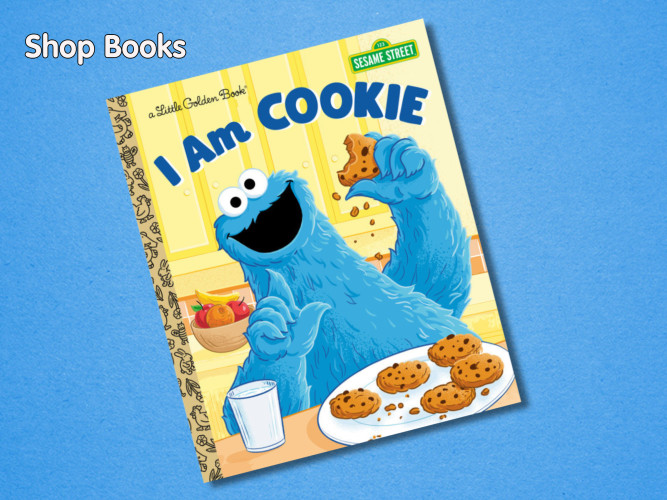
I Am Cookie
It's ALL about Cookie Monster in this new book!
Sesame Street App
Download the free, official Sesame Street app to watch videos and play fun, educational games in a kid-safe, ad-free environment!
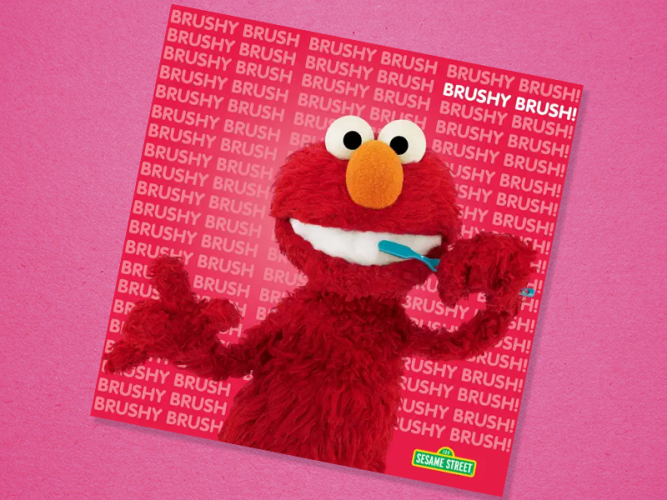
Brushy Brush
These catchy tunes build healthy habits while helping little ones practice oral health.
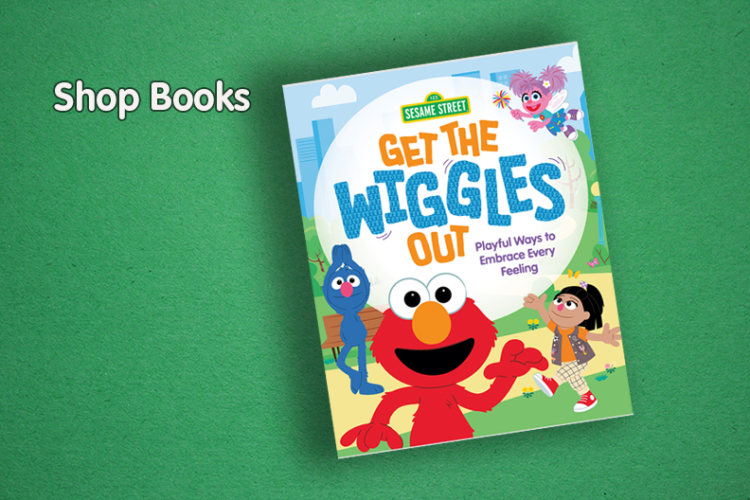
Get The Wiggles Out
Feeling Wiggly? Let's move with together with the Sesame Street characters!
Happy Dance
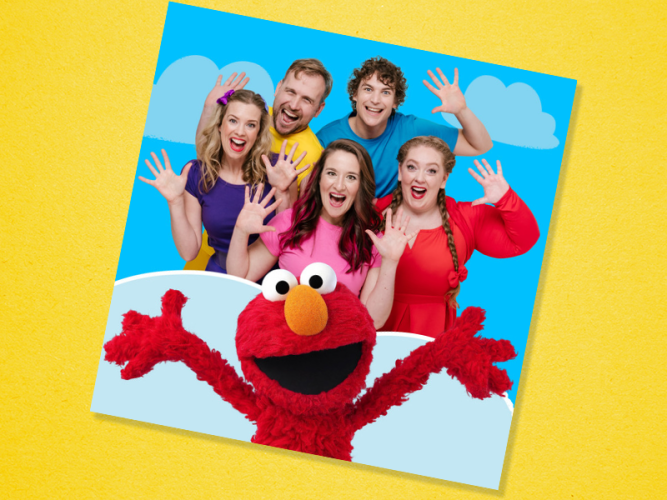
Sesame Street with Bounce Patrol
These high-energy tunes get little ones moving and grooving together.

Pop and Play with Elmo!
Wanna mix play and learning? Have your child read Pop and Play with Elmo! to explore counting and colors.