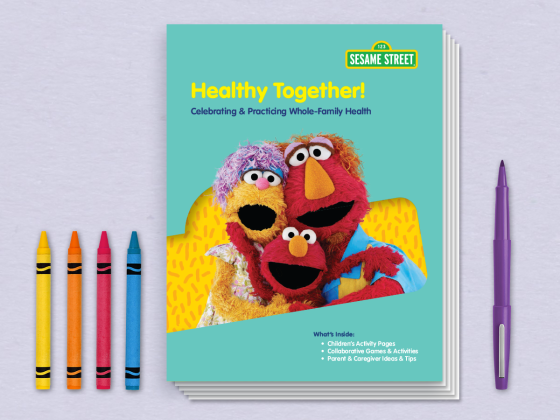
Healthy Together: Celebrating & Practicing Whole-Family Health
Use these whole-family activity pages to explore new ways to build healthy habits and take care of yourselves… as a family.
Building healthy habits is a whole-family activity, and the loving relationship you and your child share is such an important factor in their physical and emotional well-being. Print and use the pages in this book to explore new ways to build healthy habits and take care of yourselves… as a family.
Together, try the activities on each page. They’re all child-friendly, of course, and you’ll find that all the strategies work for grown-ups, too! As you go through the pages, you’ll notice that the ideas and activities can inspire your family to do four important things:
- Choose new healthy habits (for instance, choose from a variety of healthy foods).
- “Do and try” new habits (for instance, try a new healthy food).
- Celebrate the choices and efforts you made—no matter how small!—so children feel proud of themselves and the whole family feels good about them (for instance, enjoy the healthy meal you made together).
- Reflect on your choices so you can keep being aware as you make more choices in the future (for instance, talk about another way you’d like to enjoy a similar meal).
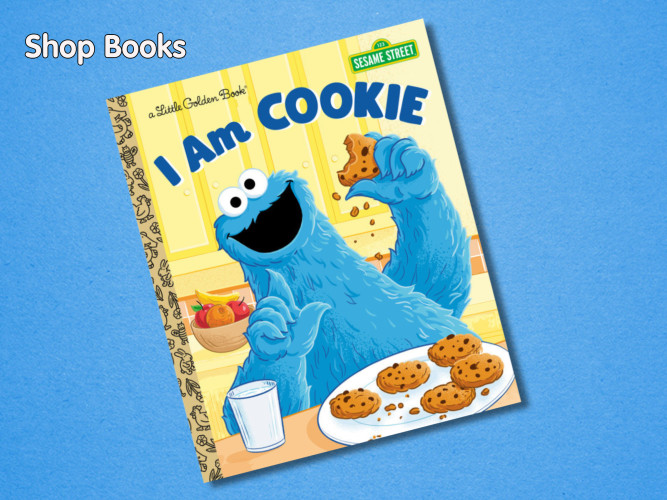
I Am Cookie
It's ALL about Cookie Monster in this new book!
Sesame Street App
Download the free, official Sesame Street app to watch videos and play fun, educational games in a kid-safe, ad-free environment!
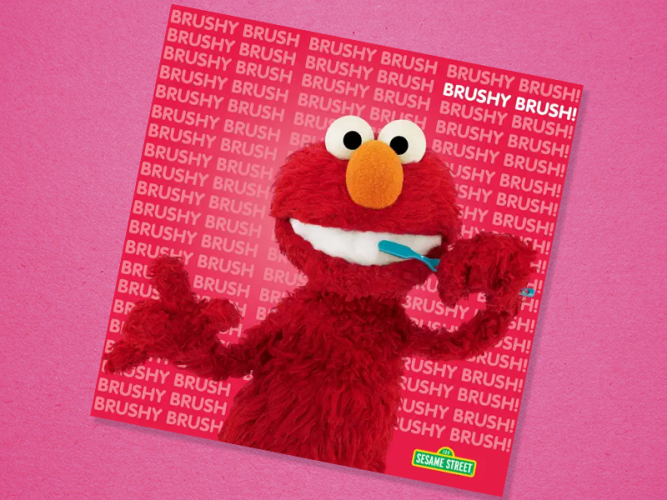
Brushy Brush
These catchy tunes build healthy habits while helping little ones practice oral health.
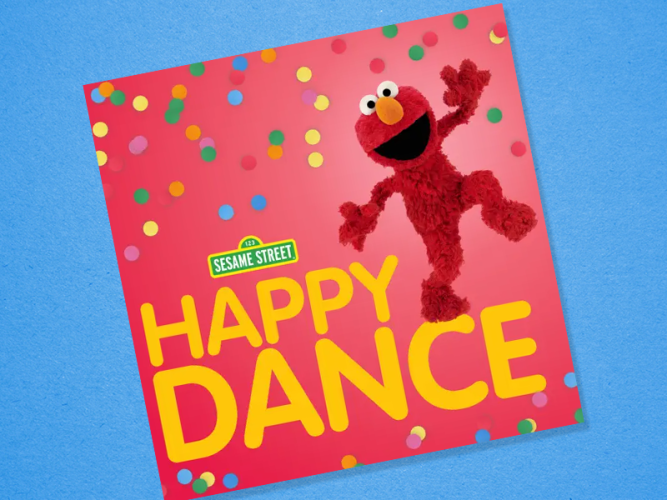
Happy Dance
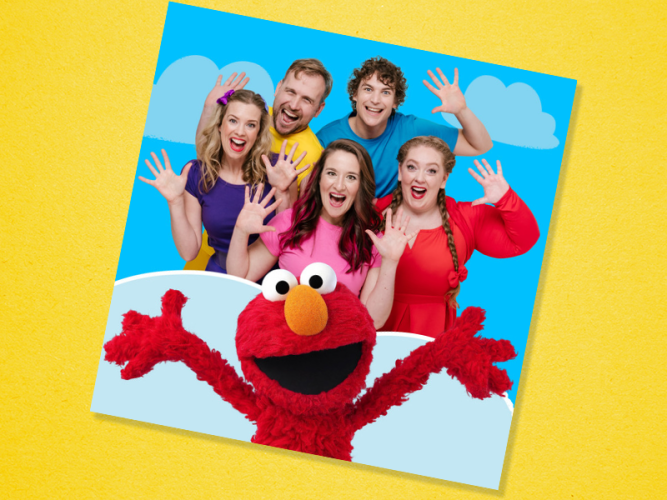
Sesame Street with Bounce Patrol
These high-energy tunes get little ones moving and grooving together.
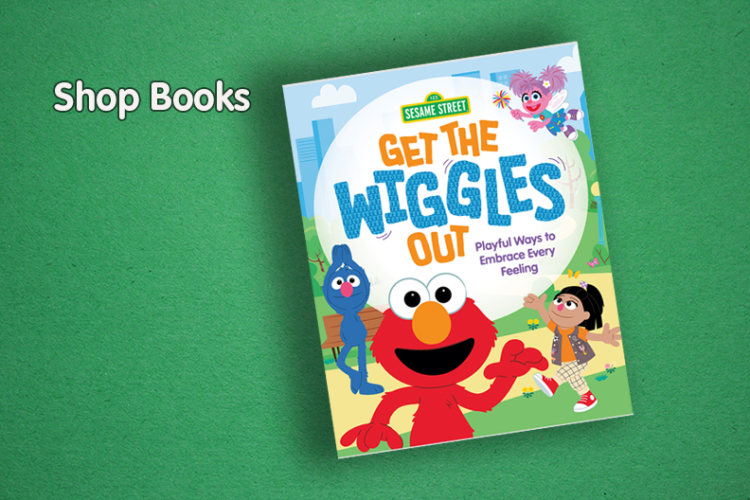
Get The Wiggles Out
Feeling Wiggly? Let's move with together with the Sesame Street characters!
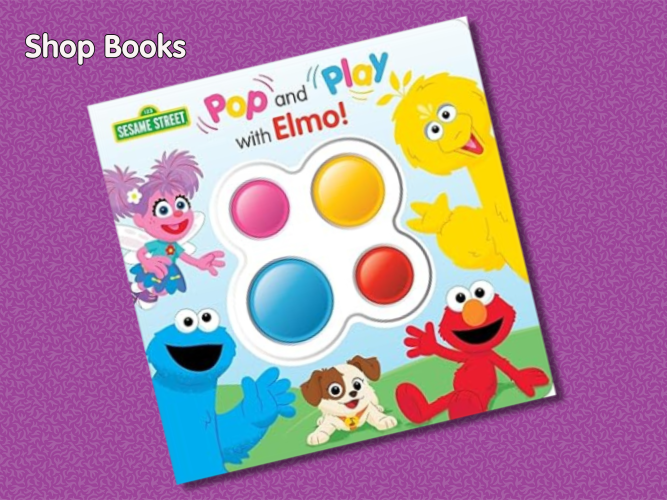
Pop and Play with Elmo!
Wanna mix play and learning? Have your child read Pop and Play with Elmo! to explore counting and colors.