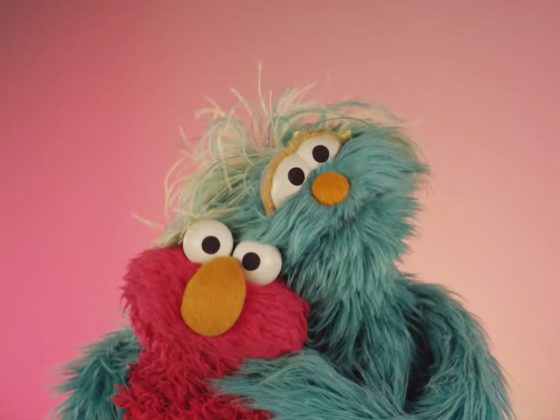
Showing You Care
Start a hugging routine with your child to show them you care.
Watch the video together and point out that Rosita is a good hugger. Explain that hugs can make even the hardest days just a little bit easier! Start a hugging routine: each morning and at bedtime, repeat this rhyme:
A hug for you (give child a hug)
A hug for me (child gives you a hug)
How warm and fuzzy a hug can be!
This consistent routine can be something kids look forward to each day—there’s always a hug waiting!
Everyone’s experience growing up affects their own parenting—for instance, we might not feel comfortable hugging kids. But research shows that lots of comforting, nurturing touch is actually necessary for healthy brain development.

The Beauty of Quiet Time Outdoors
Children can begin to recognize nature as a place they can find calm... and be calmed.
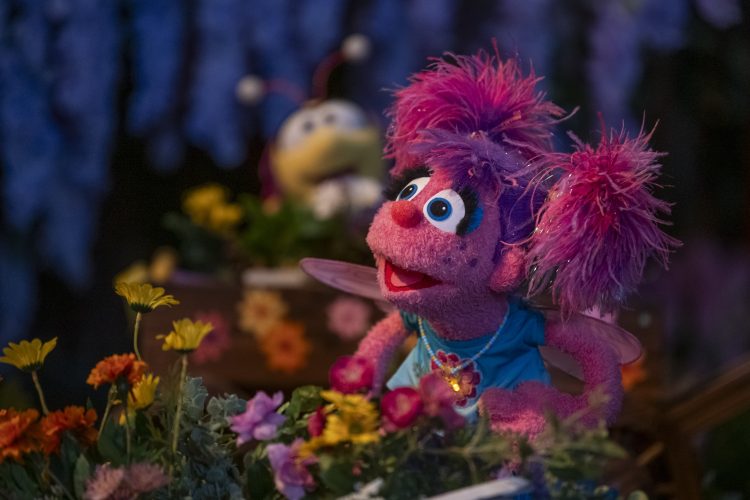
Watch and Play: Abby's Magical Beasties
Watch this episode and explore ways to extend the learning at home.
Sesame Street App
Download the free, official Sesame Street app to watch videos and play fun, educational games in a kid-safe, ad-free environment!
Another Monster at the End of this Book
This is an animated storybook app, which will humorously help teach your child early reading and logic skills.
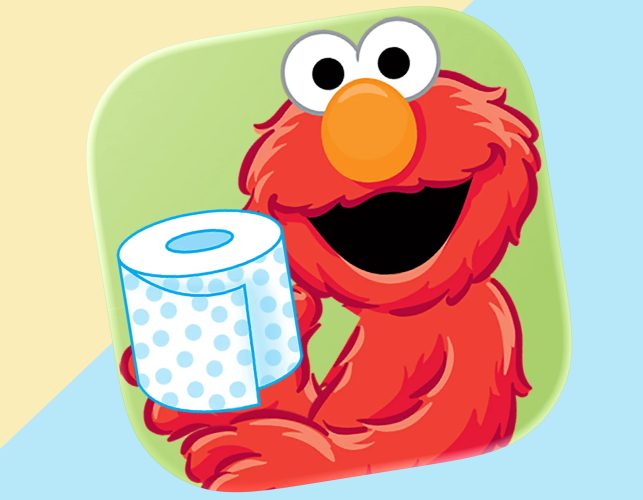
Potty Time with Elmo
Elmo reads this animated storybook in an app filled with games, songs, stickers and potty progress chart that all help ease your child through toilet training.

Adult Teamwork in Children's Tough Moments
When it comes to supporting little ones with big feelings, providers and caregivers work better together!
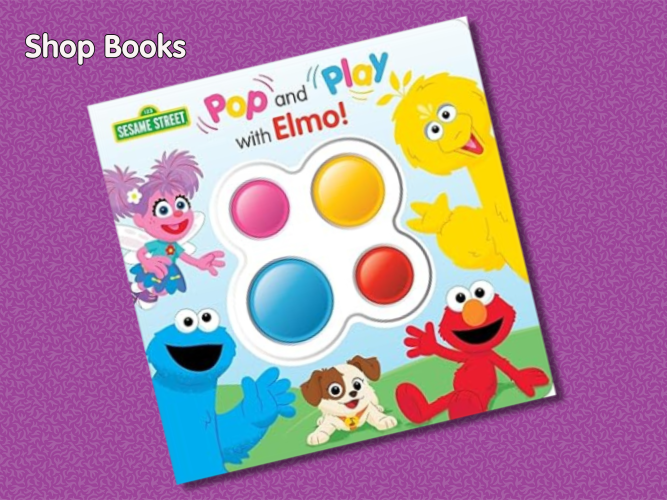
Pop and Play with Elmo!
Wanna mix play and learning? Have your child read Pop and Play with Elmo! to explore counting and colors.