
Seeing, Showing, and Sharing
Help your children express themselves with a strong feelings vocabulary.
Building a strong feelings vocabulary is like building a muscle—it takes exercise, practice, and hard work! Try these exercises to help children practice expressing themselves:
See it. When children can “picture” words, they’ll learn them more easily. Take out a family photo album, child-friendly magazine, or picture book. Point to a person or character and say, “How do you think he/she is feeling?” If children say, “happy,” build on that. You might say, “She looks really, really, happy. A word for really, really, happy is ‘ecstatic.’”
Show it. Children will be more likely to remember a new word if they experience its meaning. Come up with a movement or face for each word that you learn together. If the word is “exhausted,” for example, kids might flop over and give a really big yawn.
Share it. Use words for feelings and emotions every day. Encourage kids to describe feelings as they tell you about things they did that day. Ask questions like, “How did you feel when you _______?” Remind them of the ways to describe happy, scared, mad, and tired feelings.
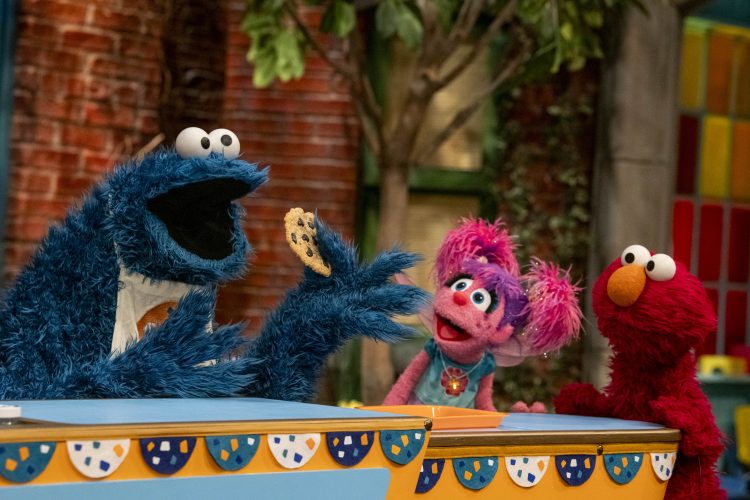
Watch and Play: Cookie Monster's Magical Cart
Watch this episode and explore ways to extend the learning at home.
Happy Dance
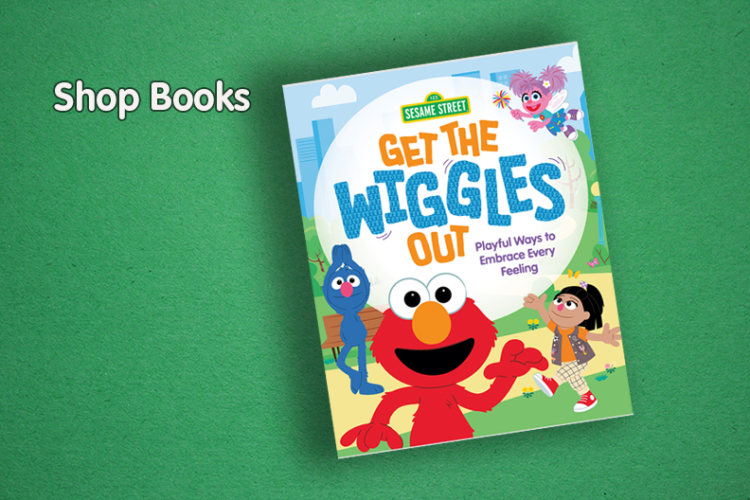
Get The Wiggles Out
Feeling Wiggly? Let's move with together with the Sesame Street characters!
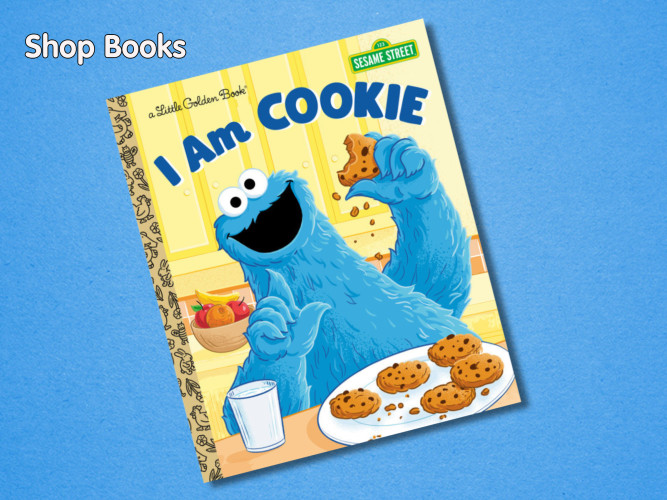
I Am Cookie
It's ALL about Cookie Monster in this new book!
The Monster at the End of This Book
This is an animated storybook app, which will humorously help teach your child about emotions and early reading skills.
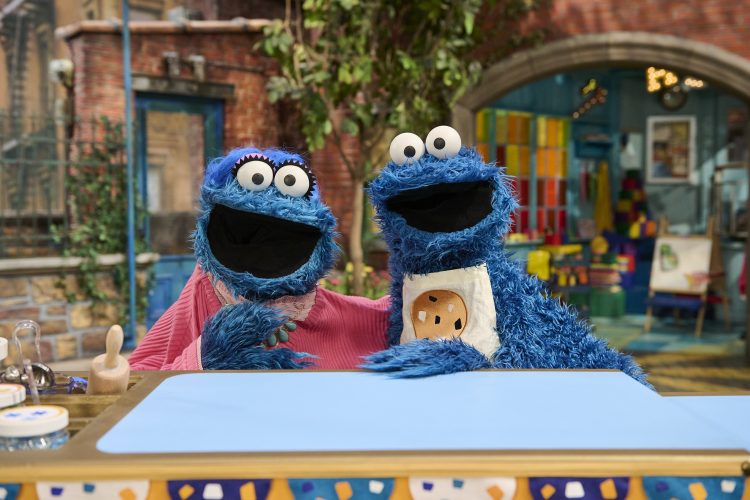
Watch and Play: Cookie Monster's Cookie Cart
Watch this episode and explore ways to extend the learning at home.
Another Monster at the End of this Book
This is an animated storybook app, which will humorously help teach your child early reading and logic skills.