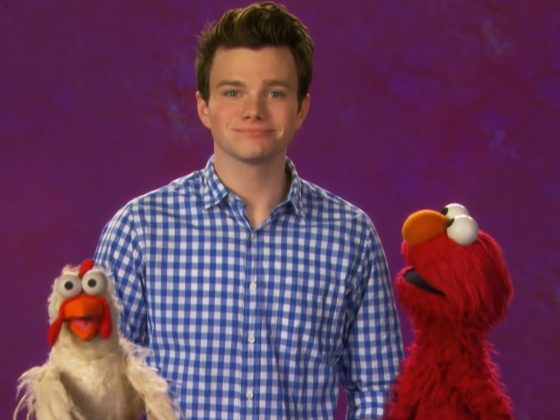
Reporting Bullying
Bystanders notice bullying and don’t say anything, but upstanders stand up for the child being bullied.
Watch the video together, then ask:
- Why was the chicken feeling upset?
- What did Elmo say to the grown-up about what had happened?
- How did the grown-up say Elmo could help?
- Have you ever been in Elmo’s position? What did you do? What could you do next time?
- Have you ever felt like the chicken? What did you do? What could you do next time?
Explain that children can be “upstanders”! Bystanders notice bullying and don’t say anything, but upstanders stand up for the child being bullied.
You can also talk about the difference between “tattling” and “reporting.” Tattling is telling on someone (trying to get them into trouble) when they aren’t hurting anyone’s bodies or feelings. Reporting is when we’re helping someone whose feelings or body are being hurt.
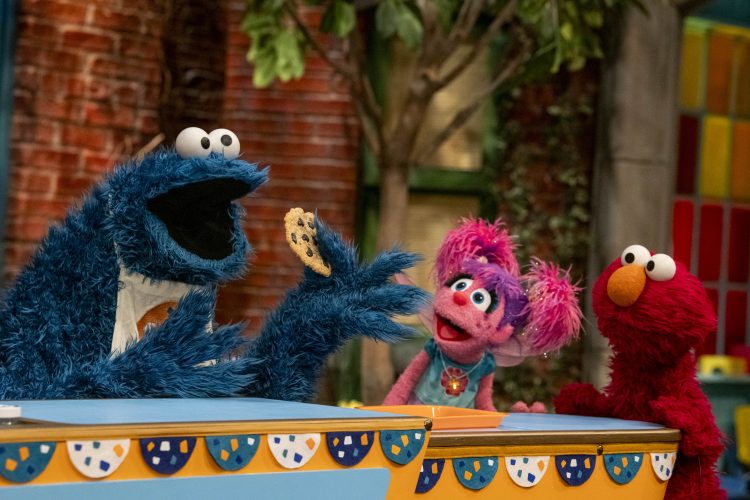
Watch and Play: Cookie Monster's Magical Cart
Watch this episode and explore ways to extend the learning at home.
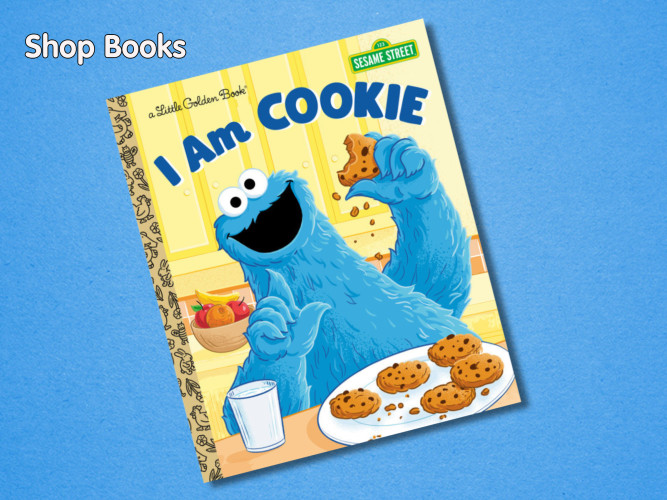
I Am Cookie
It's ALL about Cookie Monster in this new book!
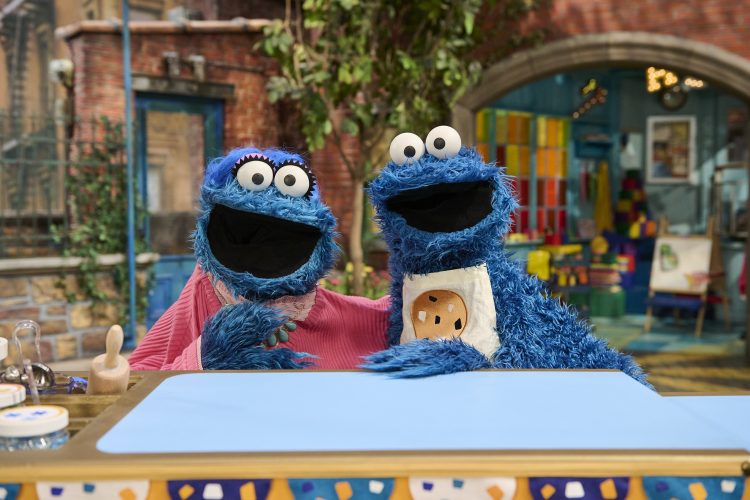
Watch and Play: Cookie Monster's Cookie Cart
Watch this episode and explore ways to extend the learning at home.
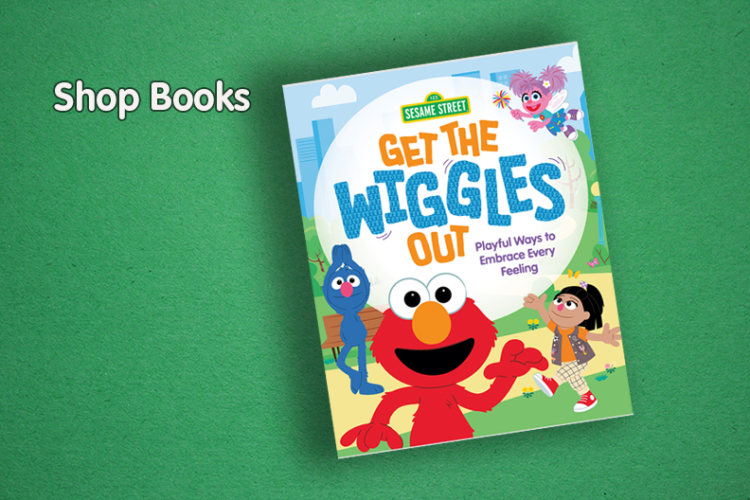
Get The Wiggles Out
Feeling Wiggly? Let's move with together with the Sesame Street characters!
Another Monster at the End of this Book
This is an animated storybook app, which will humorously help teach your child early reading and logic skills.
The Monster at the End of This Book
This is an animated storybook app, which will humorously help teach your child about emotions and early reading skills.
Happy Dance