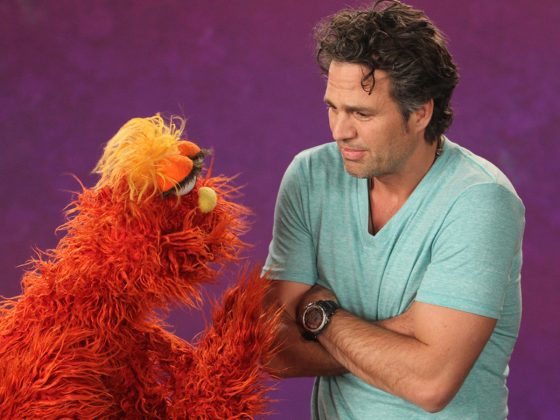
What Is Empathy?
Mark Ruffalo and Murray talk about what the word "Empathy” means.
Watch the video together, then point out that Murray had some trouble understanding what “empathy” meant: it’s the ability to understand and care about how someone else is feeling. There are different ways to build empathy at each age:
Babies
Notice how your baby reacts to your different facial expressions. Babies as young as six months old look to their caregivers to figure things out. When passing a baby to a grandparent to hold, you might smile warmly and reassuringly.
Toddlers
When kids recognize and label their own feelings, they can better recognize those of others—a key part of empathy. Try using “feeling” words in everyday moments. “Do you feel sad without your teddy bear?” or “That ice cream made you happy!”
Preschoolers
As children begin to interact more and more with others, tough situations come up (tussles over toys, making new friends, or deciding on the next game). In those times, asking kids to see the impact of their actions on someone’s feelings builds empathy. (“John is sad that he hasn’t picked a new game yet like everyone else. Can you give John a turn to pick a game from the box?”)
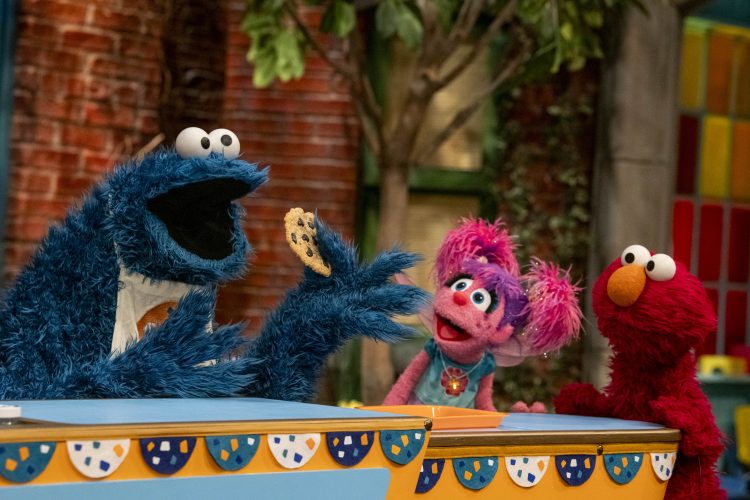
Watch and Play: Cookie Monster's Magical Cart
Watch this episode and explore ways to extend the learning at home.
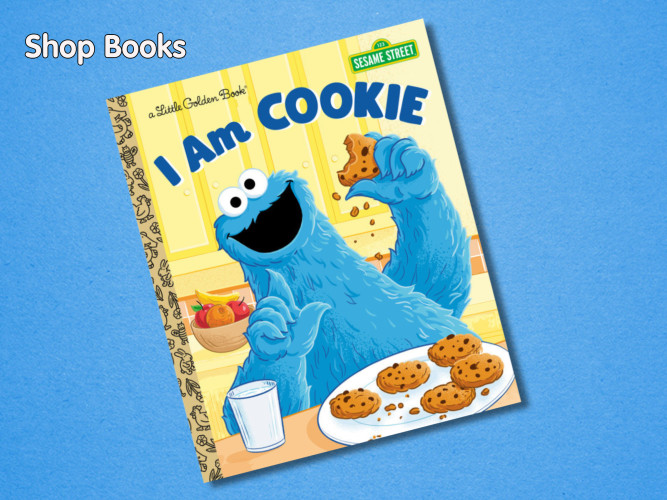
I Am Cookie
It's ALL about Cookie Monster in this new book!
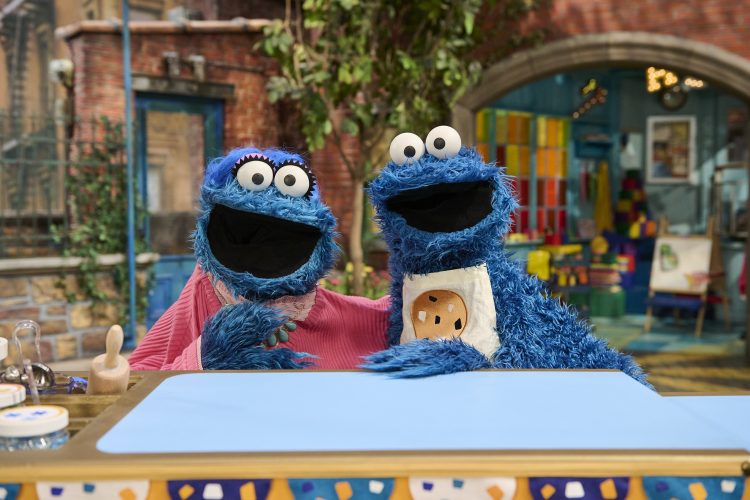
Watch and Play: Cookie Monster's Cookie Cart
Watch this episode and explore ways to extend the learning at home.
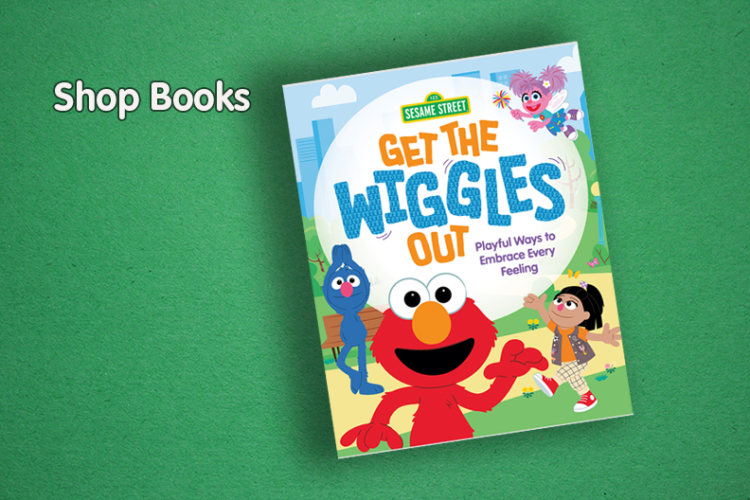
Get The Wiggles Out
Feeling Wiggly? Let's move with together with the Sesame Street characters!
Another Monster at the End of this Book
This is an animated storybook app, which will humorously help teach your child early reading and logic skills.
The Monster at the End of This Book
This is an animated storybook app, which will humorously help teach your child about emotions and early reading skills.
Happy Dance