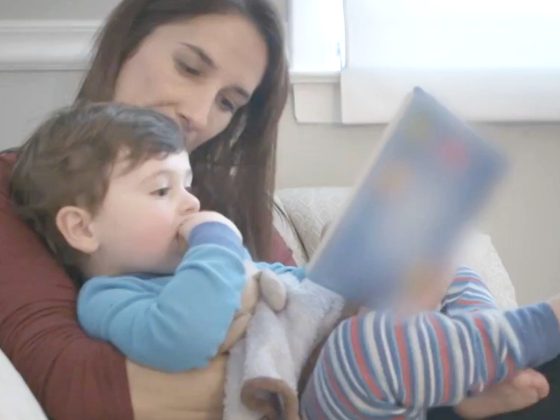
Baby, Go to Sleep!
Avoid bedtime battles by developing a consistent routine with your child.
As you watch the video, keep in mind that every infant’s sleep pattern is different. Some sleep through the night earlier than others, some children sleep on their own in a crib, others co-sleep with parents. No matter what, making bedtime a soothing and secure experience from the very beginning will help encourage good sleep patterns. Consider these ideas:
- Give baby a warm, calming bath before bed. Wiping off their hands and faces with a warm washcloth can have a calming effect, too.
- Make sure children have full tummies of milk or food. Consider making “dinner” 15-30 minutes before bedtime so that they can digest before lying down.
- Encourage siblings to say goodnight to each other at bedtime with a hug, kiss, or special sibling handshake.
- Make sure babies and toddlers are wearing clean diapers.
- Singing a lullaby, looking at a book together, or talking about the day in a soothing voice before bed is a great way to encourage language development and help kids feel safe and secure.
- As babies grow and their brains develop, they will be better able to manage their emotions to self-soothe (for instance, by sucking on a finger or looking at a mobile) and fall back asleep. But this takes time to learn!
- Before putting baby to sleep, make sure the sleep space is free of blankets, bumper pads, toys, and pillows, as they can cover faces and increase risk of suffocation.

Adult Teamwork in Children's Tough Moments
When it comes to supporting little ones with big feelings, providers and caregivers work better together!

The Beauty of Quiet Time Outdoors
Children can begin to recognize nature as a place they can find calm... and be calmed.
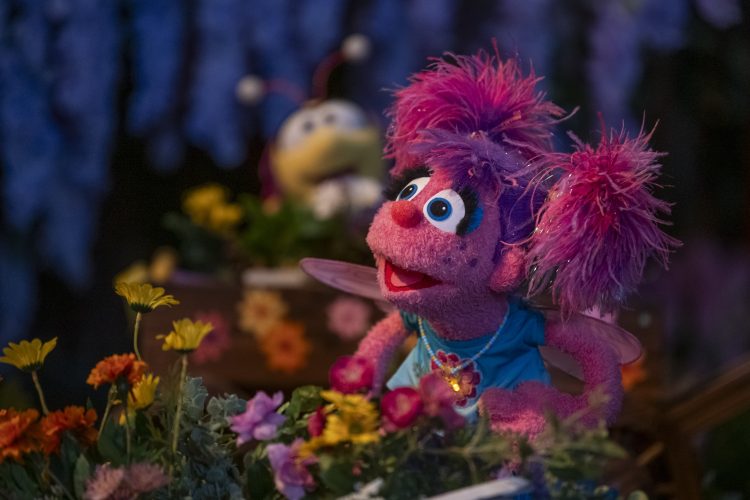
Watch and Play: Abby's Magical Beasties
Watch this episode and explore ways to extend the learning at home.
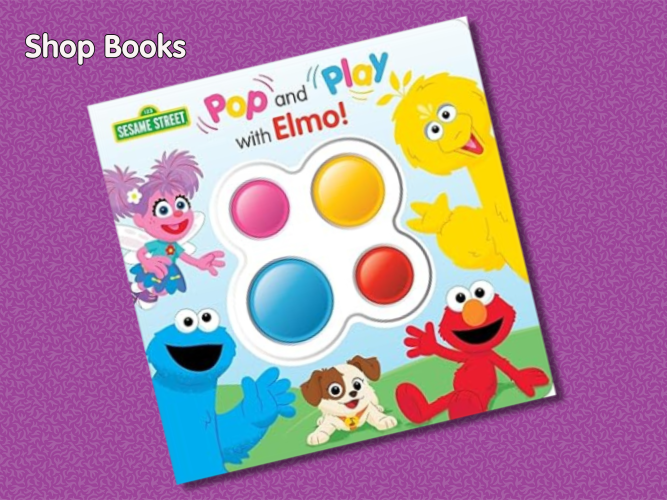
Pop and Play with Elmo!
Wanna mix play and learning? Have your child read Pop and Play with Elmo! to explore counting and colors.
Sesame Street App
Download the free, official Sesame Street app to watch videos and play fun, educational games in a kid-safe, ad-free environment!
Another Monster at the End of this Book
This is an animated storybook app, which will humorously help teach your child early reading and logic skills.
Potty Time with Elmo
Elmo reads this animated storybook in an app filled with games, songs, stickers and potty progress chart that all help ease your child through toilet training.