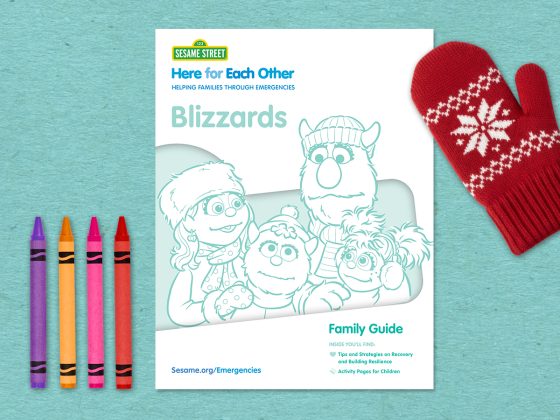
Here for Each Other: Blizzards
Help little ones feel safe and calm at home during severe winter weather.
Blizzards can be a disruptive change to routine, but they can also be an opportunity to spend quality time with your little ones and create special family memories. Together, explore these interactive parent-child pages for:
- Child-friendly explanations about what’s happening outside
- Fun, snowy science activities for the whole family
- Safety guidance for grown-ups
Preview the guide below:
Blizzards can be big and disruptive—they may last a long time, make it hard to see outside, and change our usual routines. But a snowy day can also be a special time to create family memories and spend extra time together. This guide offers simple ways to balance fun, safety, and comfort.
SAFETY FIRST
» Watch for ice: Steps, sidewalks, and driveways may be slippery. Use salt or sand, and hold hands
with young children.
» Keep vents clear: Make sure outdoor heating vents and vehicle tailpipes aren’t blocked by snow or ice.
» Use heat sources safely: Never use a gas oven or stovetop to heat your home. If you’re using a generator, place it outside and away from windows to prevent carbon monoxide poisoning.
» Be careful with candles: If the power is out, use battery-powered lights or flashlights instead of open flames, and only use candles as a last resort.
» Stay informed about what is happening: Follow officials’ recommendations and keep up with news of how the blizzard is affecting your area.
» Keep in touch with family, friends, and neighbors to let them know you’re safe.
Questions and Answers
A blizzard may bring up questions or worries for children. Offering clear and honest answers and information will go a long way in helping children feel safe.
 What happened?
There was a blizzard. A blizzard is a big snowstorm with strong wind. It’s very cold outside, and it can be
hard to see.
When can things go back to normal? When will the blizzard be over?
We’re keeping track of the weather updates to see when things can go back to normal. Eventually, the snow will stop, special helpers will clear the roads with snowplows, and we will get to go back to our regular routines.
Why can’t I go to school/daycare?
It isn’t safe to travel outside. Everyone’s plans had to change because of all the snow. Let’s plan our snow
day together!
What will happen to our house?
Houses are built to stay strong against big storms. After a lot of snow, grown-ups shovel snow away from
driveways and walkways, and check that homes are safe. If anything needs fixing, we know how to take care of it.
Will there be another blizzard?
Blizzards don’t happen very often. If another storm is coming, we’ll know ahead of time and get ready
together—just like we did this time!
Tip: Talking together, playing games, sharing hugs, or having some hot cocoa as a special treat can help everyone feel a little better after a big storm!
Snow Science
While blizzards and snow days can cause changes and inconvenience, they can also be amazing opportunities for discovery. Exploring the science of snow can spark children’s curiosity and engage them in learning.
 Make it Melt!
Scoop snow into a bowl indoors and observe how long it takes to melt.
Measurements
Use a ruler to measure the snowfall, then measure other things inside to compare them. (“The snow outside is taller than your teddy bear!”) If it’s too cold or unsafe to go outside, you might record the temperature throughout the day.
Snow Viewing Party!
When the world outside looks different, it’s a good opportunity to sit back and observe. Look
out a window together and take turns noticing what you see in the snowscape. Are there footprints
from people walking in the snow? How do the animals outside interact with the snow?
 Story of a Snowflake
Snowflakes may seem like magic, but they actually have a special story that’s all about science.
Read this story with children, and follow the snowflake on its journey. You might even make
some of your own with paper (fold and make tiny cuts)!
A snowflake starts high in the sky as a teeny-tiny water droplet
inside a cloud.
When the air gets cold enough, the water droplet freezes
onto a small speck of dust and turns into a snowflake.
Soon the snowflake begins to fall and attract more teeny-tiny
water droplets that give the snowflake “arms” and a size and
shape all its own.
Every snowflake takes its own path through the sky, which
means no two snowflakes look alike.
In a blizzard, there are quadrillions of snowflakes!
Thank you, snowflake, for our beautiful snowy day!
Comfort and Reassurance
 Provide Comfort
Remind children that snow is temporary—it will melt and go away. Let them know you’re together and safe. Hold hands, offer hugs, and snuggle often. Cuddle together under a cozy blanket!
 Enjoy Special Time Indoors
Blizzards can feel exciting and different! You might try cozy activities like reading, baking, doing puzzles, playing games, or doing arts and crafts together.
 Try to Keep One Routine
School and childcare might be closed, and daily routines may change. Even simple routines like bedtime stories or a set snack time can help provide comfort. Let your child know that things will be different for a little while, but you will also have special time together.
Big Feelings
Changes to weather and routine may bring up big feelings for little ones. You can help by giving your child
words to name their emotions and by asking questions that encourage them to open up. A good place to start is by observing children’s behavior (“I notice you are a little quiet today”) or asking children how their body feels (“Where do you feel your worried feeling in your body?”). Let them know that we all have big feelings and that it’s okay to talk about them. Offer other ways to express feelings, like drawing pictures, shaking a glitter jar, or having a dance party.
 Care for Yourself
Blizzards can bring stress—you may have to deal with shoveling, managing extra childcare, or being without power. Try to carve out moments to care for yourself too. You might take a deep breath, listen to music you like, or stretch.
Meet the Helpers!
Before, during, or after a blizzard, talk about the people who contribute to getting your community through the storm. Have children color in some Special Snowy Helpers below and discuss their important jobs.
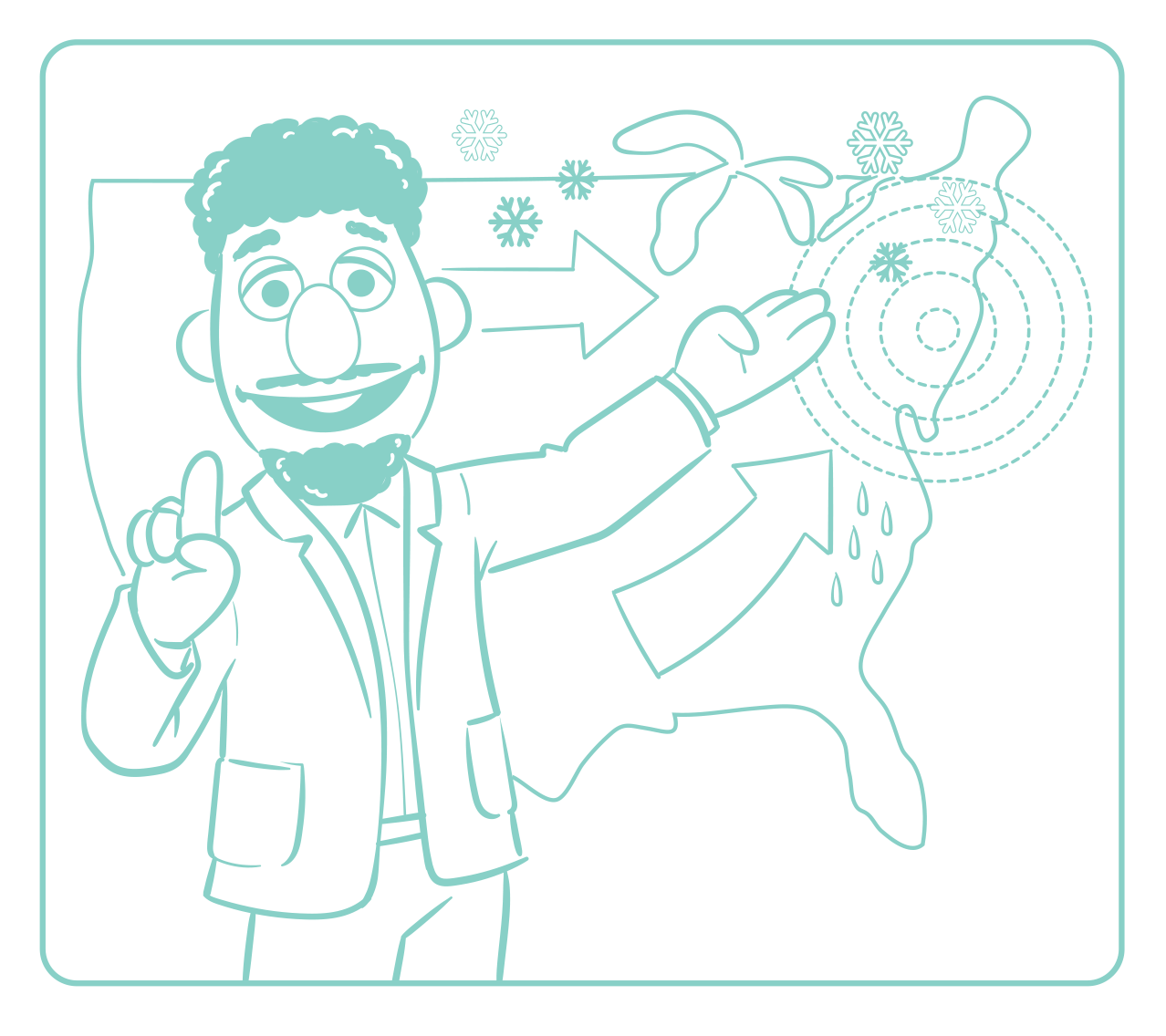
scientist who studies the weather! Part of his job
is to tell people when big storms are coming so
they can prepare.
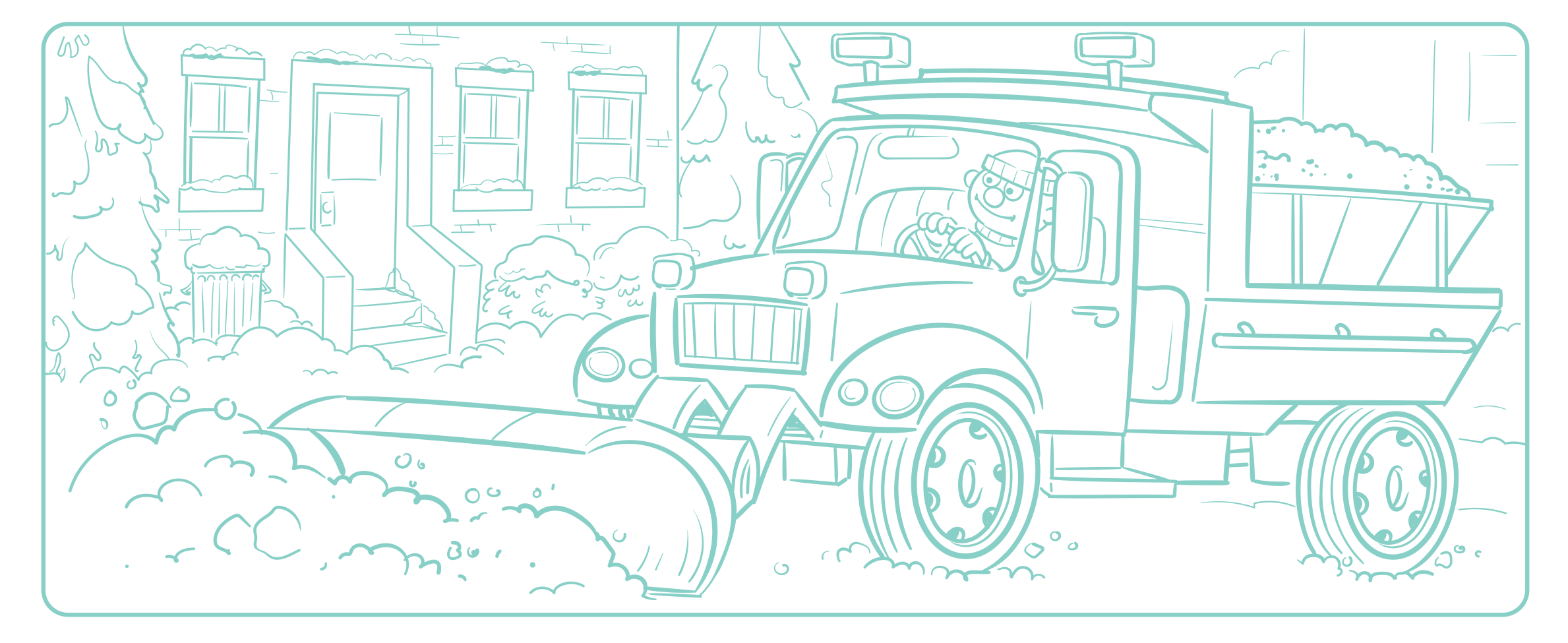
special truck called a snowplow to clear the roads
and make it safer for people to drive.
Bundle Up!
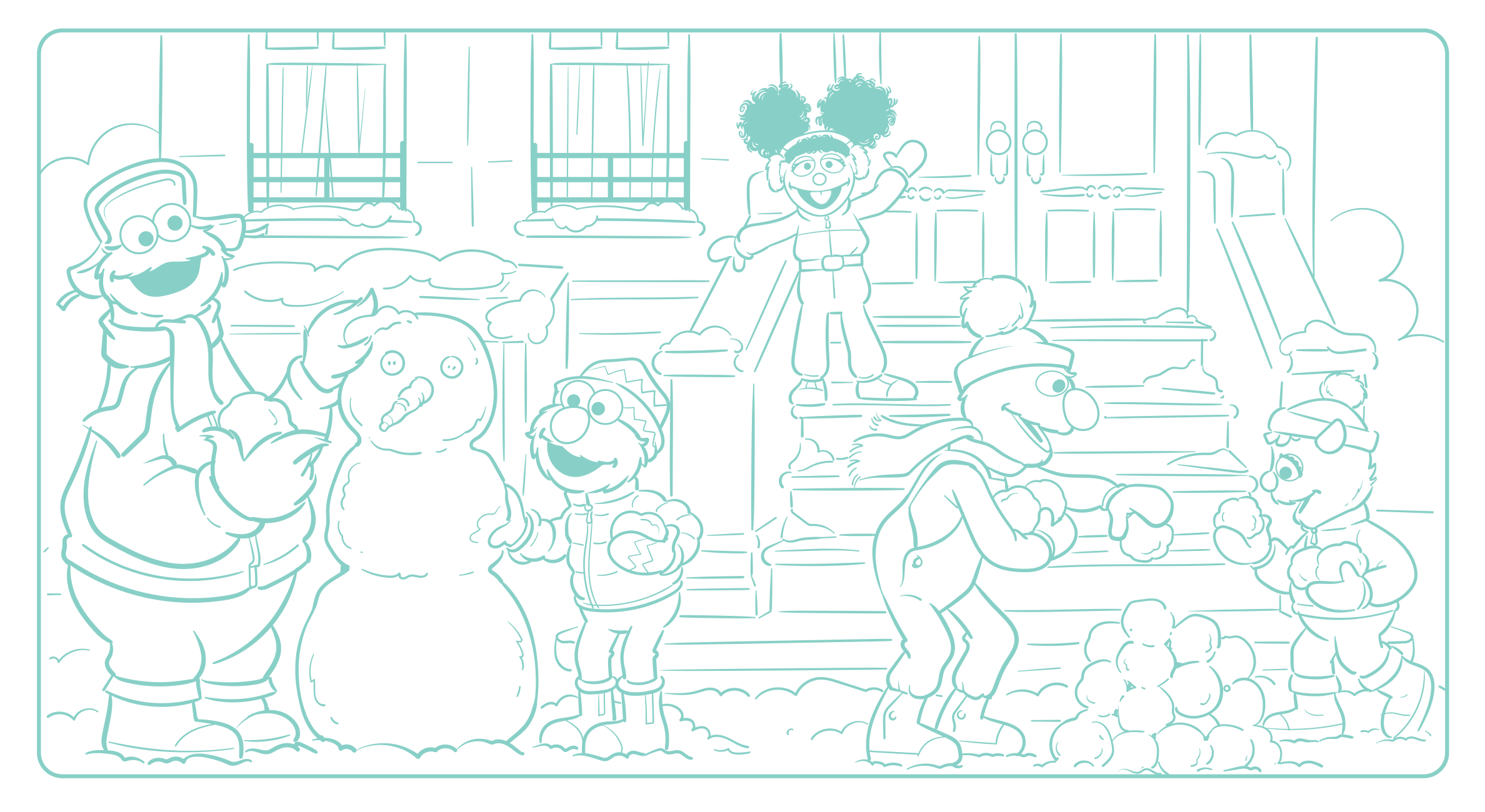
Children are often eager to get outside and play in the snow! Make sure they’re bundled up so they can enjoy this special time safely. Color this page together and point out the different winter gear that our Sesame Street friends are wearing in the snow. Even fuzzy monsters and fairies need to stay warm!
STAYING SAFE IN EXTREME COLD
» Dress children in layers, cover exposed skin, and limit outdoor time to 10-15 minutes with frequent warm-up breaks indoors.
» Check your child’s skin often: pale, purplish, discolored, or numb skin may indicate frostbite. Keep little ones dry!
» Wet clothes cause bodies to lose heat quickly, so change children into dry layers immediately after coming inside.
» Replace long outdoor play sessions with indoor fun: snowy-day storybooks, indoor games, or building a
blanket fort!
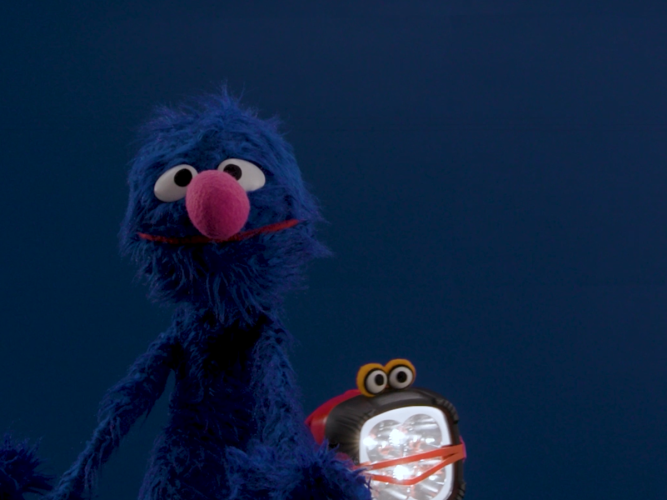
Grover Learns How to Stay Safe in a Blackout
Grover (and his handy friend Flashlight!) talk about how to prepare for a blackout.
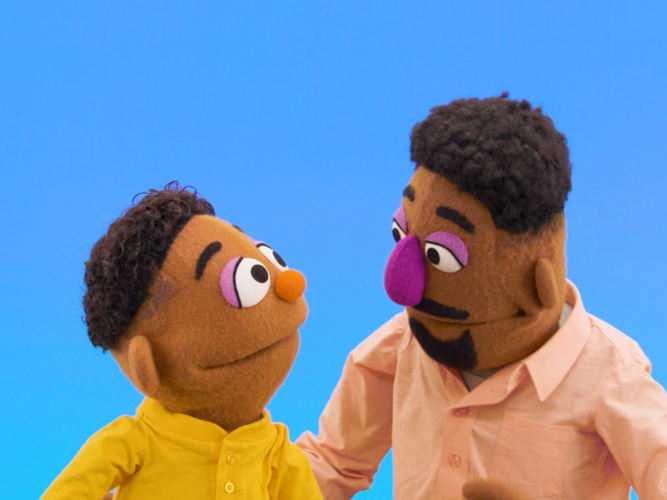
Getting Ready for Hurricane Season
Elijah and Wes work together to prepare for a hurricane.
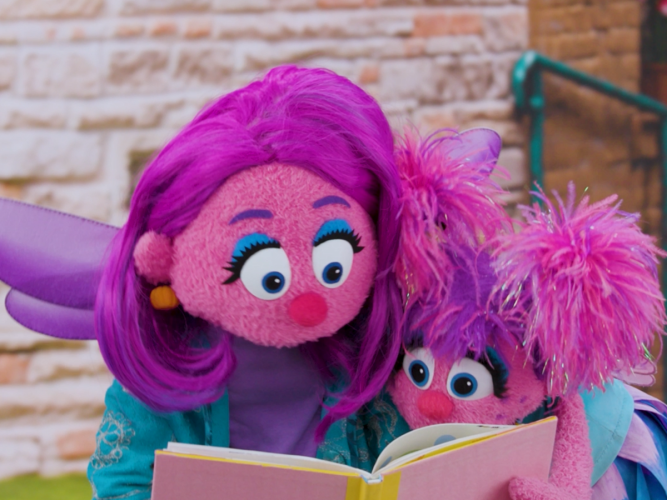
Preparing for Wildfires
Maggie and Abby learn about and prepare for wildfire season.
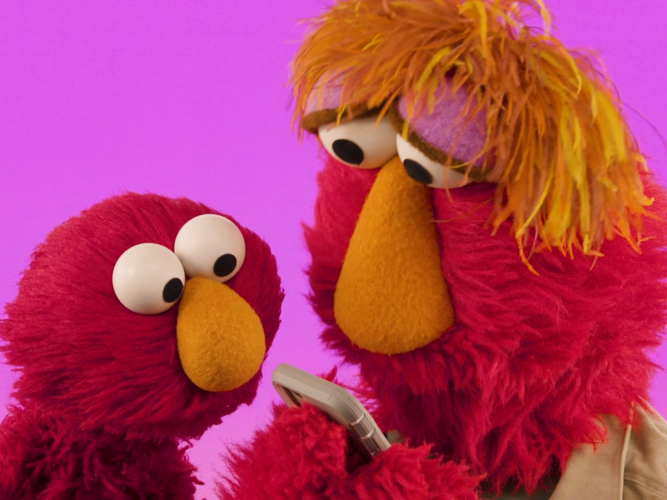
Preparing for Tornado Season as a Family
Louie and Elmo get ready for Tornado Season.
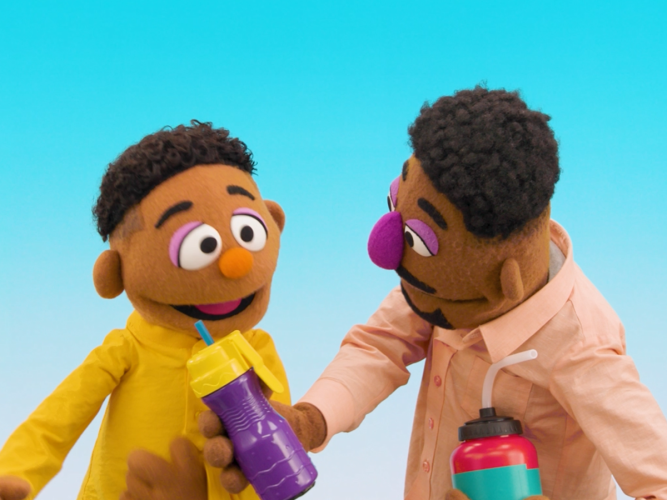
Heatwave Safety with Wes and Elijah
Learn some safety strategies for extra sunny days.
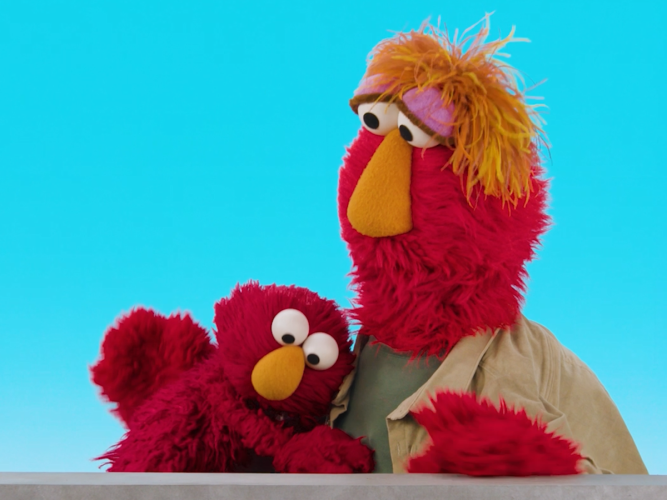
Emergency Preparedness Basics
Elmo and Louie take some time to get prepared as a family.
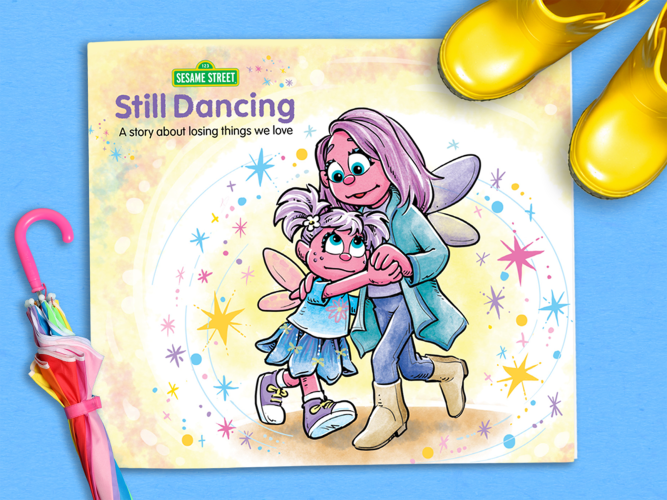
Still Dancing
A storybook to help children cope with losing something they loved.