Let’s Get Ready: Emergency Family Guide
Prepare for emergencies as a family.
Being prepared is an important part of life. Learning about safety helps children understand the world around them, builds confidence, and teaches life lessons that will help them stay safe now and as they grow. This interactive parent-child guide includes:
- Easy ways to help children learn and remember information like their own and their parents’ whole names, phone numbers, addresses, and the names of other people who help keep them safe
- Simple tools to help you create a family emergency plan and an emergency kit
Preview the guide below:
EXPLAINING EMERGENCIES TO CHILDREN
An emergency is when something unexpected happens that could make it unsafe, like a big storm, a fire, or a power outage during bad weather. Even if it feels surprising or makes us nervous, we can stay calm and be ready by practicing what to do.
Getting ready for emergencies is just like buckling our seat belts or putting on helmets—it’s one more way we keep ourselves and our families safe and strong!
Come along, and let’s get ready together!
Understanding Emergencies
All around us, there are things we might see or hear during an emergency. You can begin talking about emergencies by pointing out these everyday signs and signals. Look at and color the pictures below, then read the captions and answer the questions together.
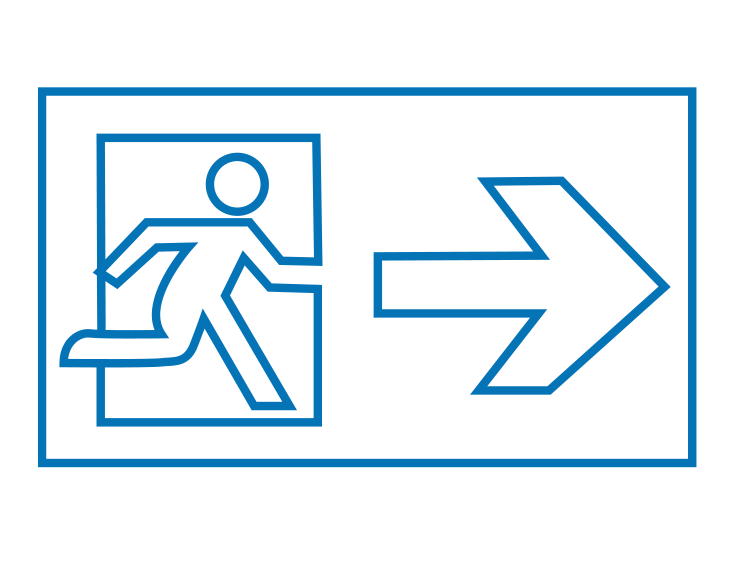
Exit Sign
An EXIT sign shows us the way to leave safely during an emergency. If we ever need to get out fast,
we can follow the EXIT signs. Where have you seen an EXIT sign before?

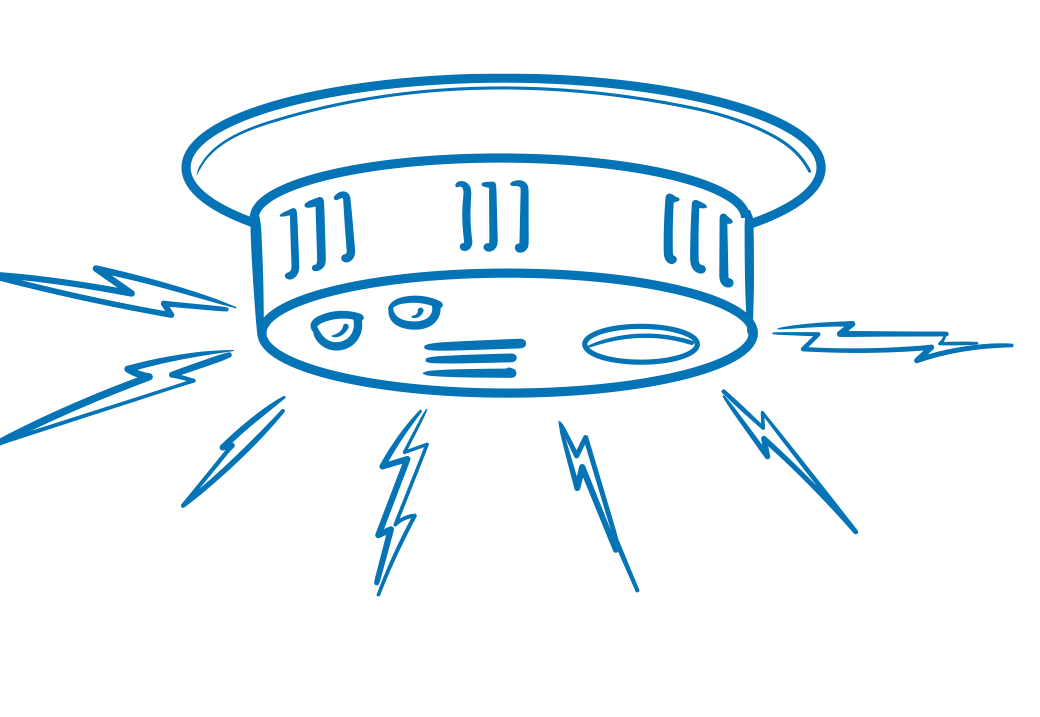
Smoke and Carbon Monoxide Alarms
These alarms make a loud BEEP, BEEP, BEEP to get our attention! If you hear one, it means you need to get outside quickly and stay outside until a grown-up says it’s safe to go back in. Where have you seen a smoke alarm or a carbon monoxide alarm?
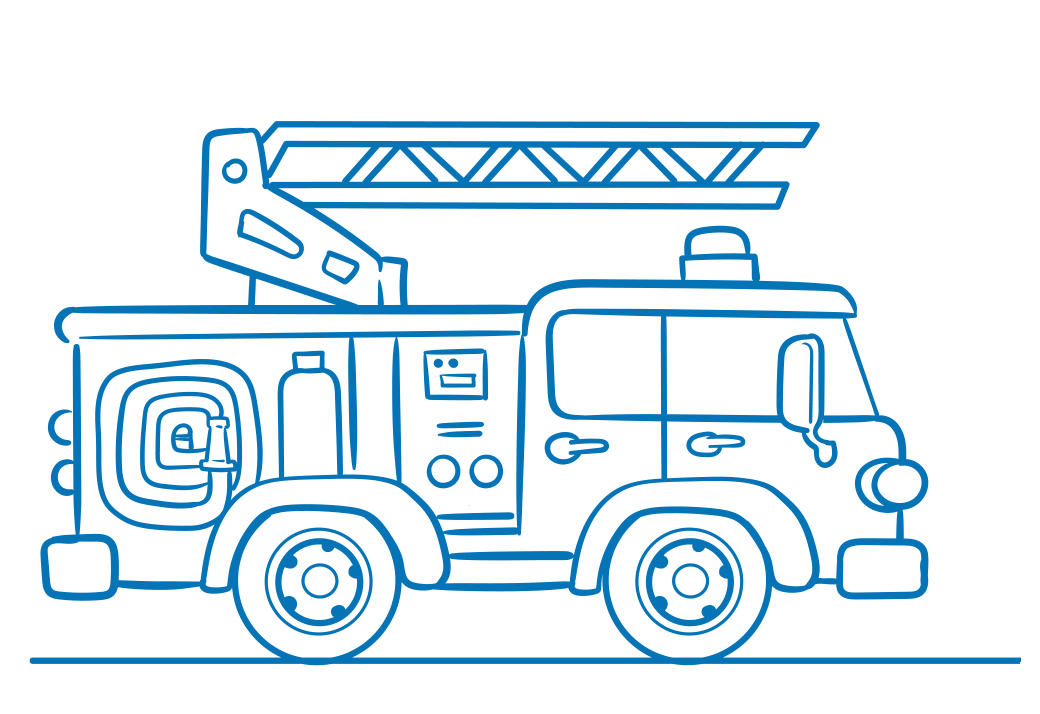
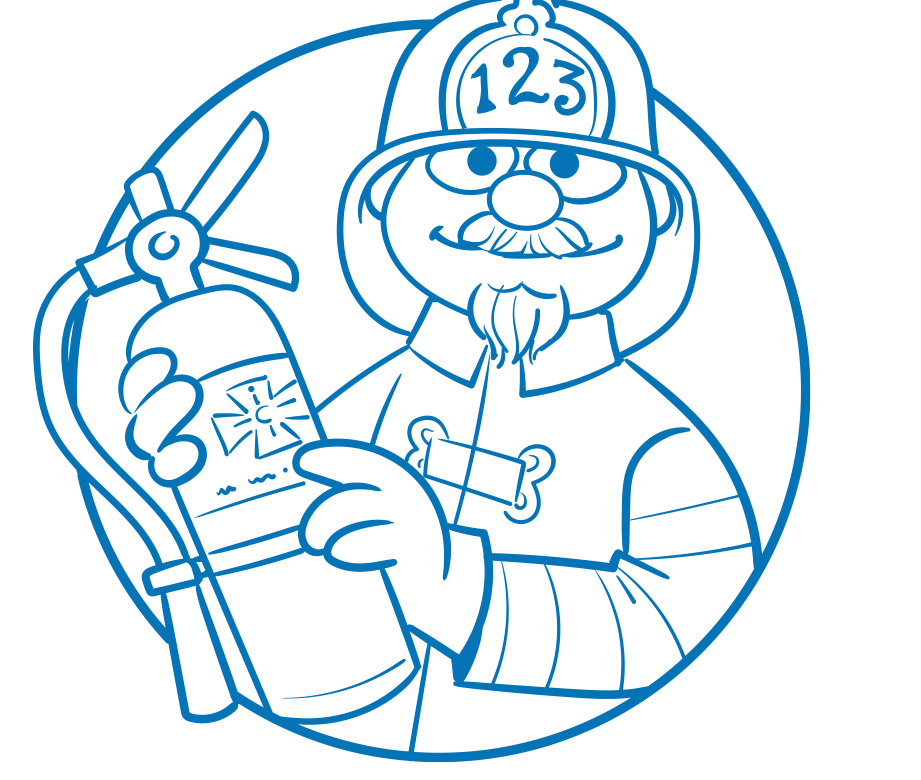
Fire Truck
A fire truck has bright flashing lights and a loud siren to get everyone’s attention and let people know that helpers are coming. Firefighters ride in fire trucks to help put out fires and rescue people who need help. What other helpers drive cars with sirens and flashing lights?
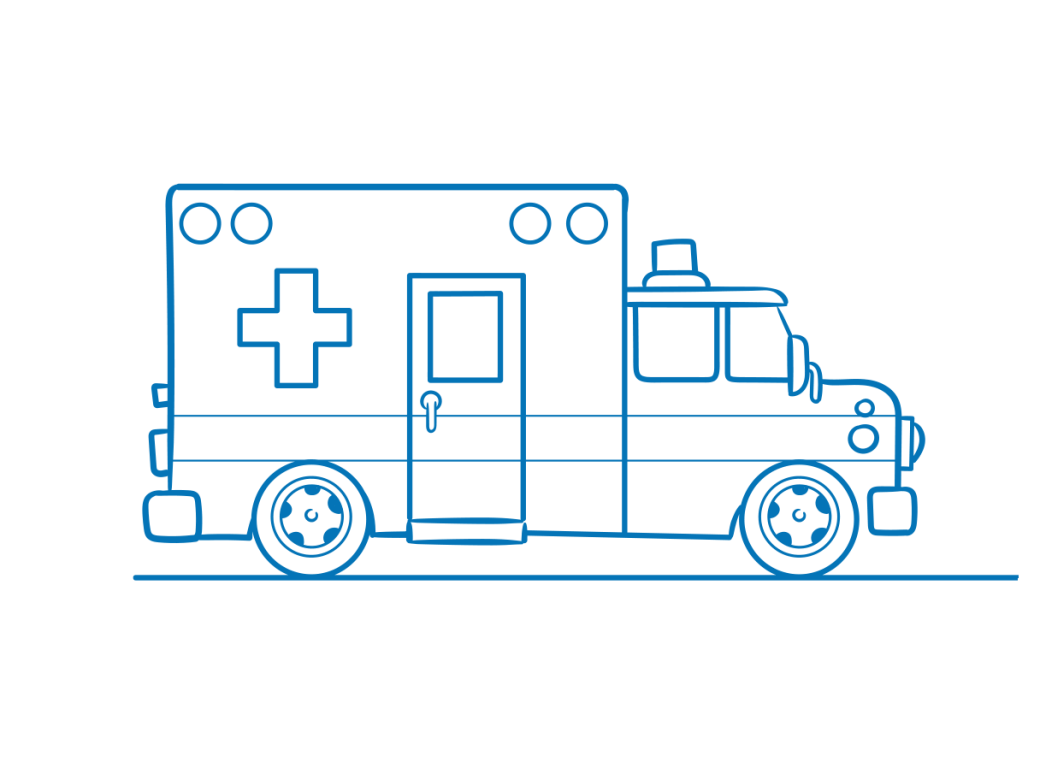
Ambulance
An ambulance is a special vehicle that brings helpers—like paramedics and EMTs—to people who are hurt or sick. These helpers can give care on the way to the hospital if someone needs extra help. What other helpers use special vehicles to get to people who need help?
I Know Our First and Last Names
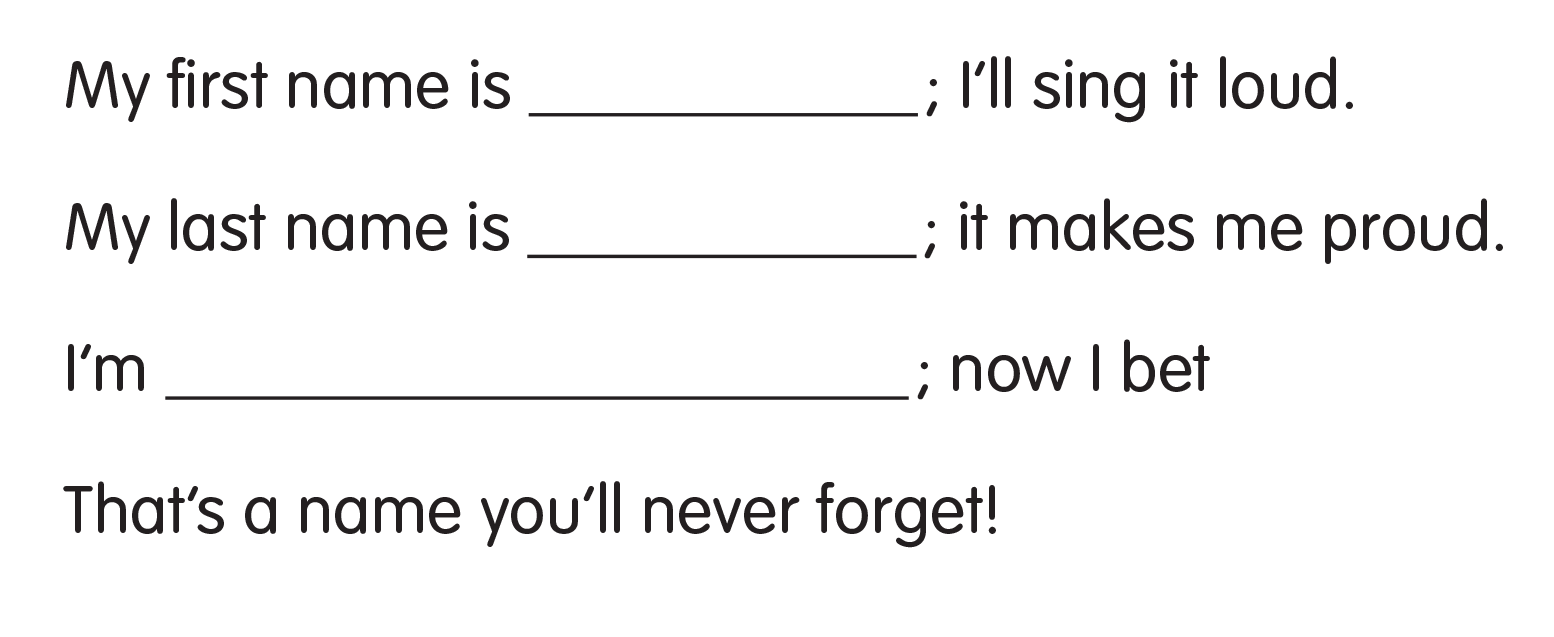
In case of an emergency, it’s important for your child to know their full name and the full names of parents, caregivers, or other trusted adults. If you and your child ever get separated, knowing these names can help trusted helpers reunite you quickly. It’s fun and easy to practice!
 The Name Song
Sing this song to practice your whole name and the names of the people who take care of you. Put this page up on a refrigerator or wall to remember to practice.
That’s a name you’ll never forget!
EVERYDAY TIP Play a silly Knock Knock game to help your child practice saying their own full name—and the names of their trusted grown-ups, too!
For example, “Knock, knock!…Who’s there?… Rosita!… Rosita who?…Rosita de las Cuevas!” Repeat for every member of your family and the trusted grown-ups in your child’s life. SAFETY NOTE Remind your child that it’s okay to share their full name with safe helpers like teachers, police officers, or other trusted grown-ups if they need help.
I Know Our Address and Phone Number
If there is an emergency, your child should know your home address and phone number. This bit of information can make a big difference in reuniting your family quickly.
 I Know My Address!
Write your address on the line below. Let them know that knowing your address helps helpers like police officers, firefighters, and other trusted adults find you quickly if you ever need help.
________________________________
________________________________
________________________________
EVERYDAY TIPWhenever you are headed home
from school or the store, say to your child, “We’re going home now!
What’s our address?” SAFETY NOTERemind your child to share their address only with safe helpers like teachers, police officers, or other trusted adults.
 I Know Phone Numbers!
Write an important phone number your child should remember on the line below. Then help them use their finger to practice pressing the numbers on a pretend phone.
EVERYDAY TIPExplain that 9-1-1 is a very special number to call or text when help is needed during an emergency and no other grown-up is nearby. Practice together by pretending you are the helper on the other end of the call and asking children: “What is your name?” “What is your address?”SAFETY NOTERemind children that 911 is only for emergencies. You know your child best, teach this skill if you feel they are ready for the responsibility.
Helpers Keep Me Safe and Sound
Our neighborhoods are filled with special helpers who are ready to help us if we need it. Firefighters,
police officers, doctors, nurses, utility workers, teachers, paramedics, and other emergency responders
all work hard to keep us safe. Community helpers can look different in different places, but they are all there to help! Point out different helpers and vehicles you might see in your daily life.
 Play Together! Helpers in Your Neighborhood
Use your finger, a crayon, or a marker to help Elmo, Grover, and Grover’s mommy visit their neighborhood helpers! As you play, talk about what each helper does to keep people safe. How many different helpers can you name?
KNOW YOUR NEIGHBORSIn addition to special helpers, you can rely on your community in the event of an emergency. Let your child know which trusted neighbors or community members they can reach out to if they need help or get separated from a caregiver.
Let’s Make and Share Our Plan
Making a family emergency plan helps everyone know what to do if something unexpected happens. Use this page to write down important contact information for your family—including parents, caregivers, grandparents, and other trusted adults. Make copies and share the plan with teachers, babysitters, and other people who help care for your child. You might also take a picture to keep on your phone or use a virtual planning app.
 The________________________Family’s Emergency Plan
You can copy this page to include all household members.

Emergency Contacts
Emergency contacts are the trusted people who can help keep your family connected and safe during an emergency. Write down the different people your family might rely on.
- Out-of-Town Emergency Contact: Choose someone who lives in a different city or state. Sometimes it’s easier to call or text someone who lives farther away if local phone lines are busy after an emergency.
- Local Emergency Contact: Choose someone nearby who can help, like a neighbor, close family friend, or relative.
 Emergency Meeting Place
Pick a safe, easy-to-find place where your family will meet if you can’t get home after an emergency. Some ideas: a neighborhood park, a friend’s house, a community center, or a library.
 Neighborhood Helpers
In an emergency, call 9-1-1 right away to reach police officers, firefighters, or ambulance helpers. You can also keep these important numbers handy.
TIPSign up for local weather alerts and emergency notifications on your phone! It’s an easy way to stay informed and keep your family safe.
Schools and Workplaces
TIP
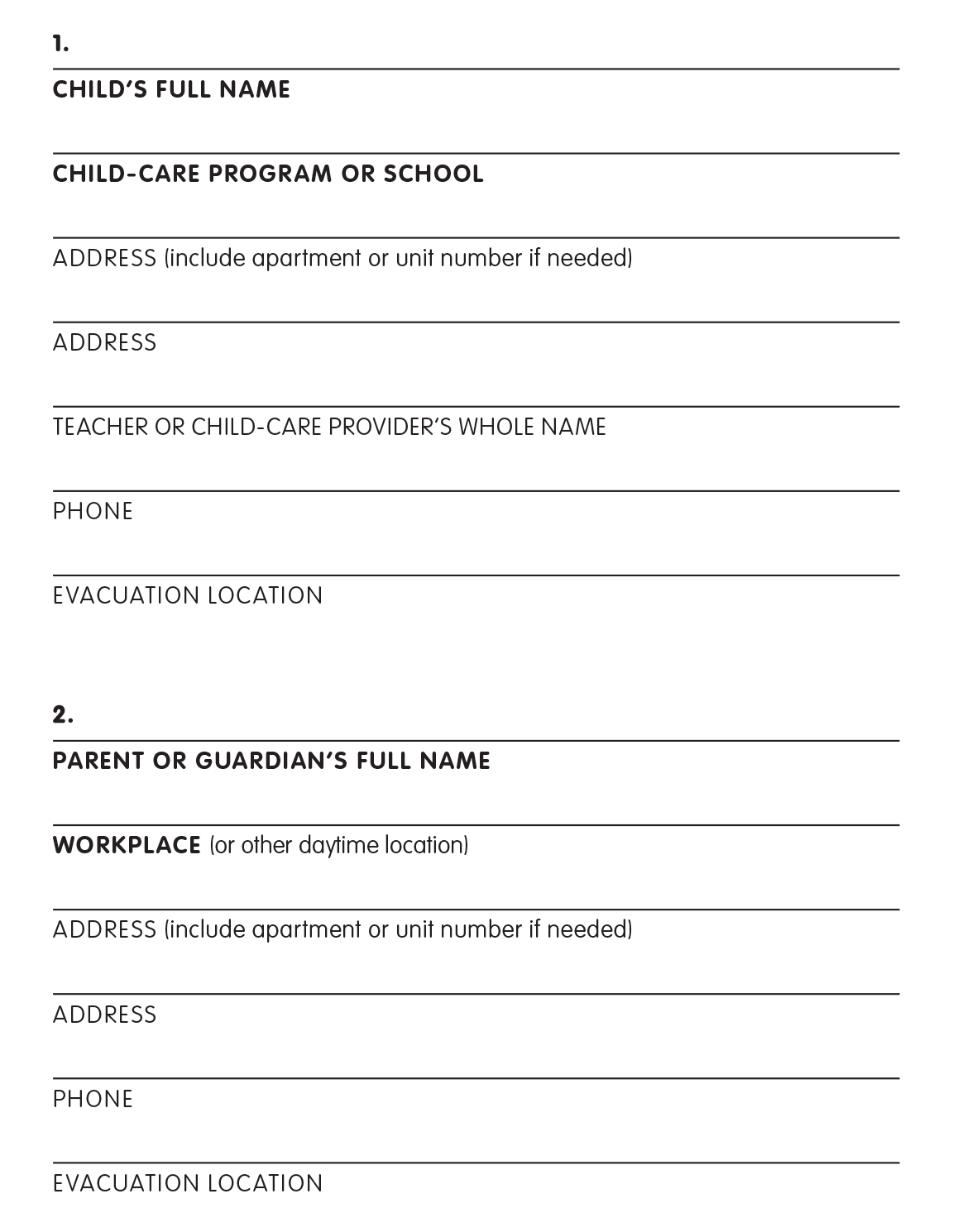
Review your school, childcare, and workplace emergency plans at least once a year—or any time something important changes. Ask about:
- Evacuation plans — Where do children go if they must leave the building?
- Relocation sites — Where would children be taken if they can’t return to school?
- Communication plans — How will the school contact you? Is there a backup plan if phones or internet are down?
- Release procedures — Who is allowed to pick up your child?
- Medical and medication information — How is your child’s health information handled during emergencies?
Record this information in your family emergency plan so everyone — parents, caregivers, and trusted adults — knows what to do.
Let’s Pack an Emergency Kit
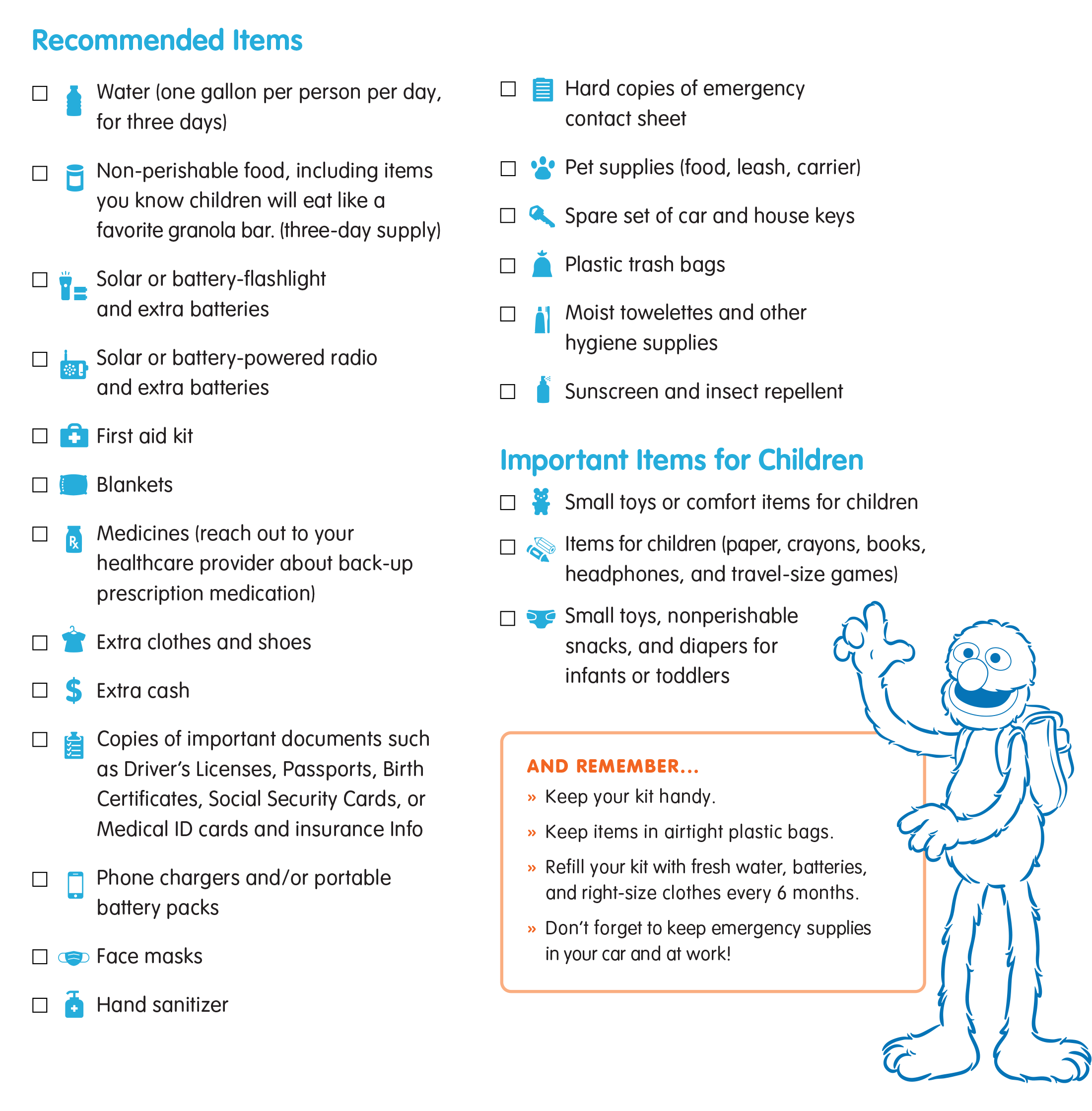
Create a family emergency kit. Use this checklist to think about what you might need in case of an emergency. As you add items to your kit, check them off the list. Remember to review your kit’s contents regularly (for instance, whenever you check your smoke alarms) to make sure items are up to date.
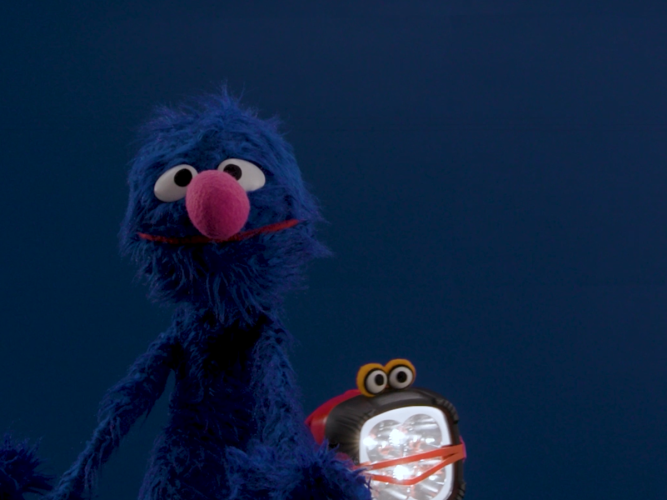
Grover Learns How to Stay Safe in a Blackout
Grover (and his handy friend Flashlight!) talk about how to prepare for a blackout.
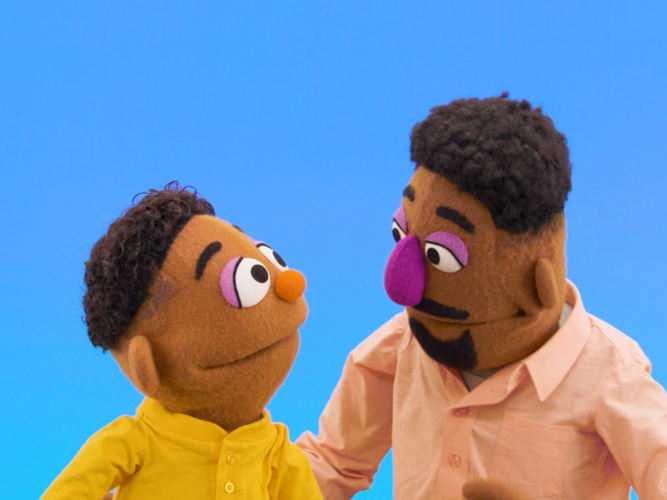
Getting Ready for Hurricane Season
Elijah and Wes work together to prepare for a hurricane.
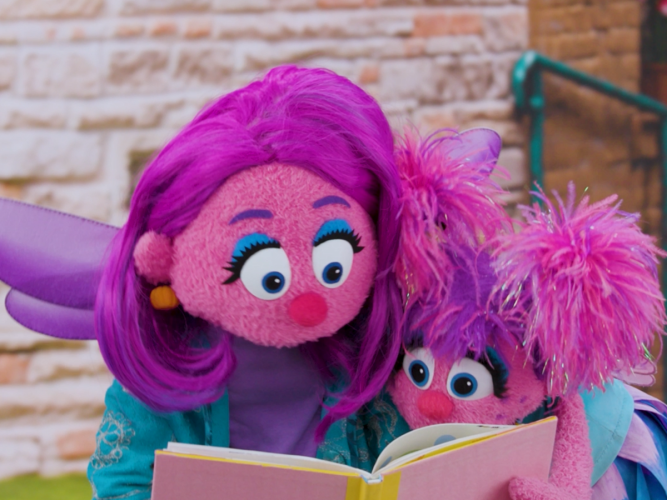
Preparing for Wildfires
Maggie and Abby learn about and prepare for wildfire season.

Preparing for Tornado Season as a Family
Louie and Elmo get ready for Tornado Season.
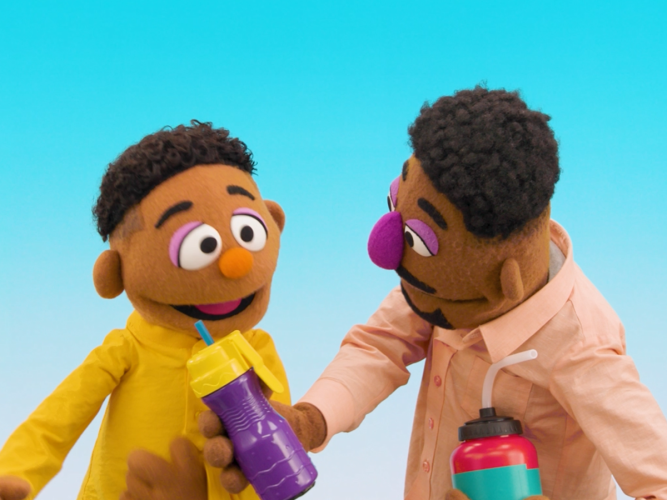
Heatwave Safety with Wes and Elijah
Learn some safety strategies for extra sunny days.
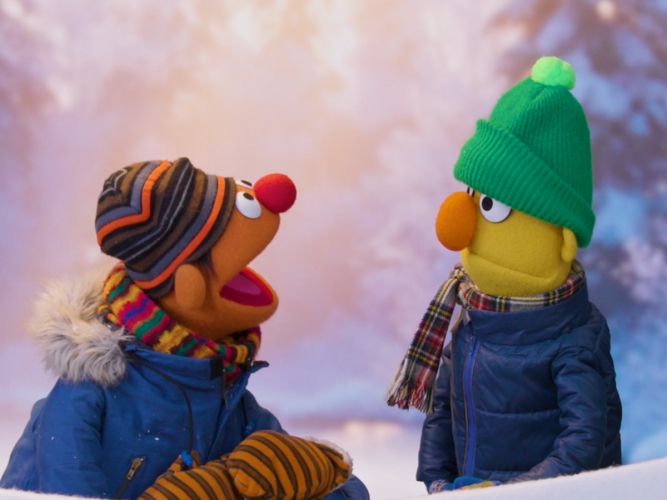
Bert and Ernie’s Blizzard Safety Strategies
Blizzards can be a fun and special time for the whole family... especially when everyone knows how to stay safe.
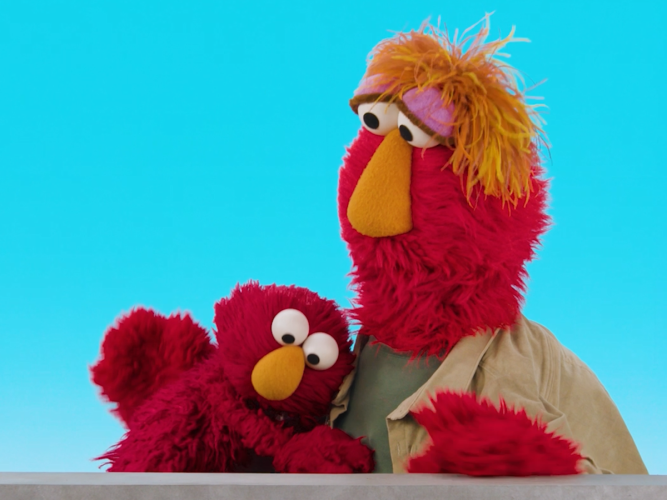
Emergency Preparedness Basics
Elmo and Louie take some time to get prepared as a family.