Forms of Play
As children grow, so do their styles of play.
Kids’ play styles change as they grow:
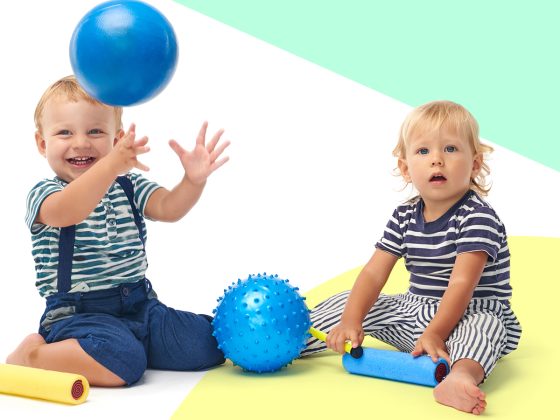
Solitary Play: This type of play is commonly seen in babies. They tend to play on their own, exploring anything and everything they can get their hands on, including their own body parts! You might see a baby get great giggles out of grabbing his foot or putting his hand in his mouth! While babies may play simple games like peek-a-boo with grown-ups, they don’t yet have the social skills or focus to play directly with other children and babies.
Parallel Play: As kids get a bit older (ages 2–3), they become interested in being around their peers. However, they haven’t yet honed the important social skills of sharing and turn taking that are necessary to play directly with others. At this age, kids are likely to play in parallel (side by side), with separate toys or objects. Even though kids playing in parallel may not interact, you might notice them observing one another and mimicking ways in which the other is playing.
Group Play: By the time kids enter school, they often play together in groups. You might see them sharing and taking turns playing with the same toys, doing dramatic or pretend play around a theme, or playing group games like duck, duck, goose or hide-and-seek. Playing together in groups can help kids improve their social and cognitive skills as they plan out play scenarios, switch roles, and solve problems together creatively.
The Beauty of Quiet Time Outdoors
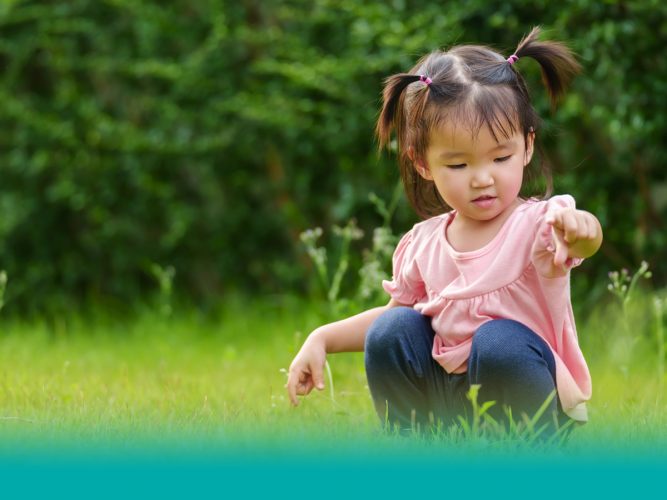
Children can begin to recognize nature as a place they can find calm... and be calmed.
Watch and Play: Abby's Magical Beasties
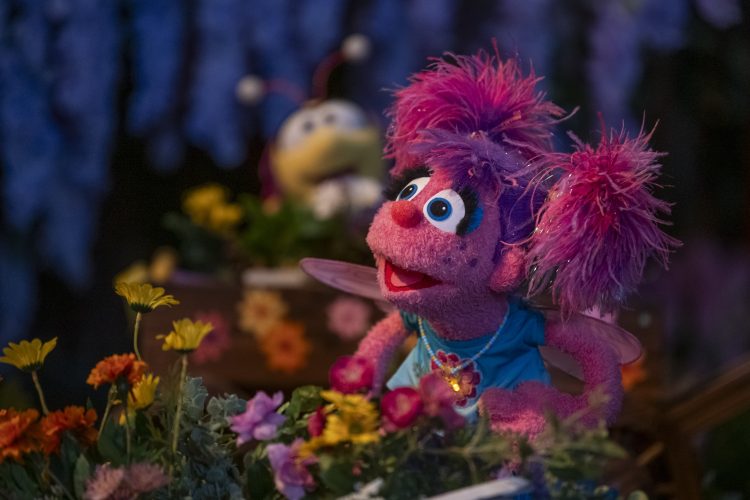
Watch this episode and explore ways to extend the learning at home.
Sesame Street App
Download the free, official Sesame Street app to watch videos and play fun, educational games in a kid-safe, ad-free environment!
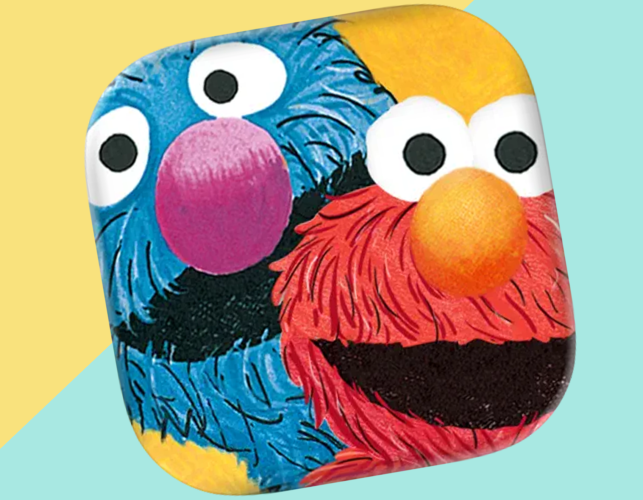
Another Monster at the End of this Book
This is an animated storybook app, which will humorously help teach your child early reading and logic skills.
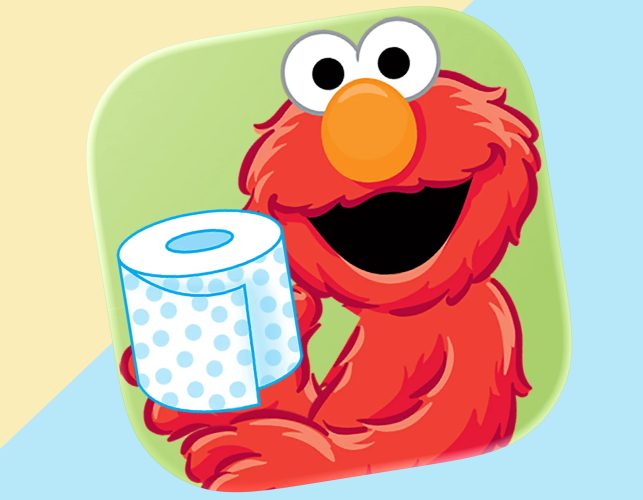
Potty Time with Elmo
Elmo reads this animated storybook in an app filled with games, songs, stickers and potty progress chart that all help ease your child through toilet training.

Adult Teamwork in Children's Tough Moments
When it comes to supporting little ones with big feelings, providers and caregivers work better together!
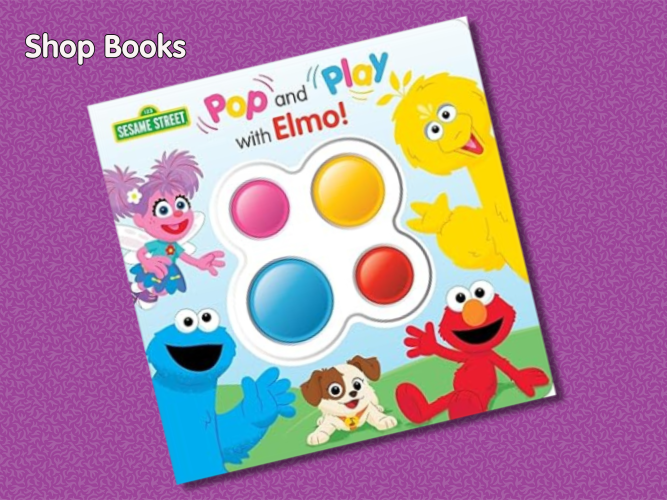
Pop and Play with Elmo!
Wanna mix play and learning? Have your child read Pop and Play with Elmo! to explore counting and colors.