
How to Keep Children Cool in a Heat Wave
Tips on keeping children safe when temperatures rise.
The summer months mean sunshine, time off, and maybe some popsicles… but they can also bring extreme heat. A child’s body temperature rises 2-5 times faster than an adult’s, making it extra important to find ways to stay cool. Luckily, there are easy (and fun!) ways to make sure children cool down and stay safe as temperatures rise.
Hydrate, Hydrate, Hydrate!
Even if children say they aren’t thirsty, it’s important for them to drink water often on an especially hot day. When playing outside, they should take water breaks every 15-30 minutes. Frequent small sips are better than drinking a lot of water all at once. Explore this storybook for some fun ways to keep children hydrated.
Dress for the Weather
Sun hats and sunscreen are always in style, especially when it’s hot out. Dressing children in loose, breathable fabric is also a great way to keep them cool.
Plan Your Play
Plan your outdoor time for the coolest parts of the day, like early morning and late afternoon. When you’re outside, stay in shady areas and make sure children take lots of breaks. Hot days can also be a great opportunity to have some fun with water! You might try setting up a sprinkler or visiting a local pool. Cars can get extra hot, so never leave children alone in a parked car. You can use the CDC Heat Risk Dashboard to track the heat risk forecast in your area.
Find a Cool Location
Finding places to cool off is essential during extreme heat. Make spending extra time indoors fun by exploring some local air-conditioned places like movie theatres, museums, or libraries. Have a plan of where you’ll go if your A/C goes out. For help finding a local cooling center, call 211.
Keep a Close Eye
Children don’t always notice or know how to communicate when they are overheating. Grown-ups can pay attention to signs of heat exhaustion for children — dizziness, confusion, nausea, headaches, tiredness, irritability, or flushed skin — to make sure children are safe on sunny days. If your child seems like they may be overheating:
- Move them to a cool place where they can lie down and slightly elevate their feet.
- Have them drink cool liquids.
- Wet their skin with a washcloth or spray bottle.
- Monitor their recovery and seek out medical care if symptoms haven’t improved within 30 minutes.
- Call 911 right away if symptoms seem extreme or your child becomes unresponsive. For more in depth guidance check out this resource.

Earthquake Safety for Children
An article about steps your family can take to prepare for an earthquake.
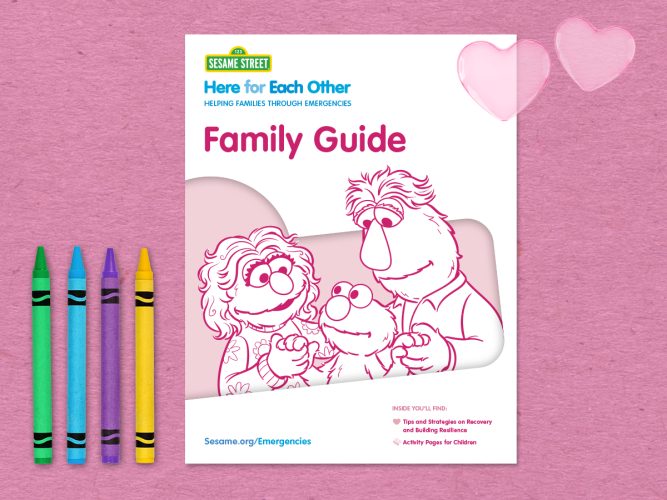
Here for Each Other: Family Guide
An interactive guide to help families recover from emergencies.
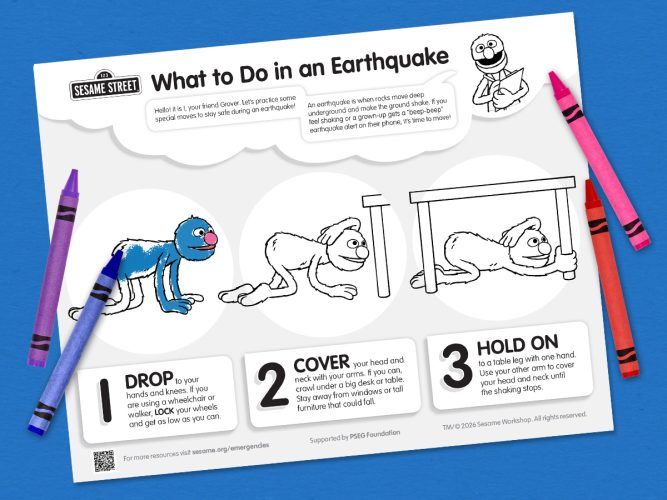
What to Do in an Earthquake for Children |Drop, Cover, Hold On
A safety poster to help children learn how to stay safe in an earthquake.
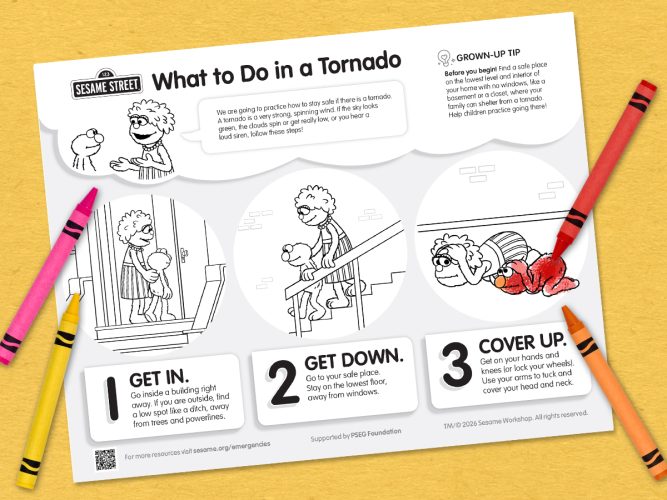
What to Do in a Tornado for Children | Get In, Get Down, Cover Up
A printable poster to help families stay safe during a tornado.
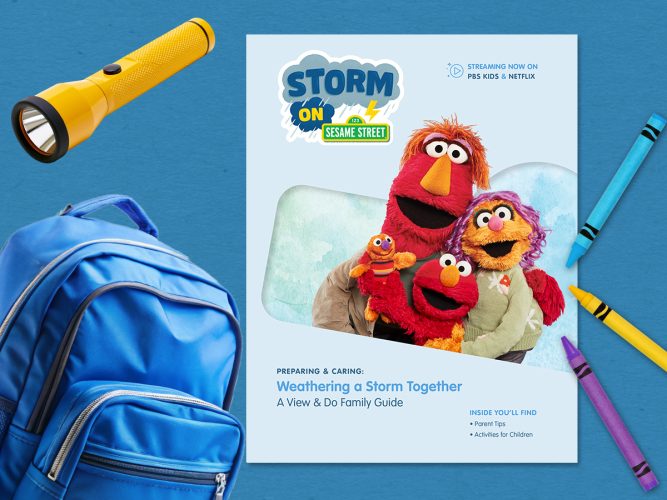
Weathering a Storm Together: Storm on Sesame Street View and Do Family Guide
A family view + do guide to pair with an extra special episode of Sesame Street, Storm on Sesame Street.
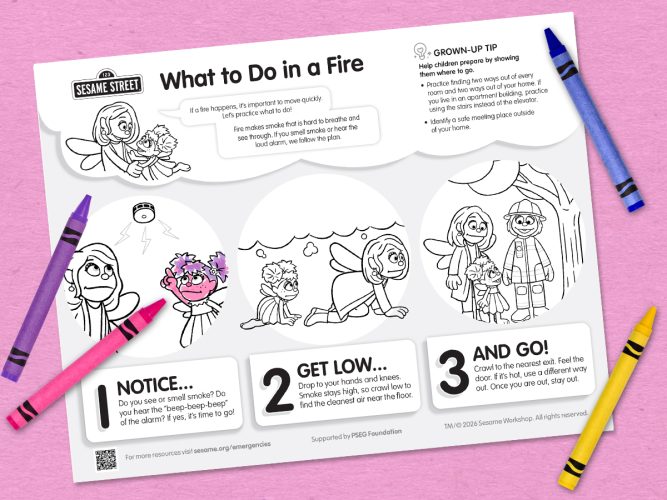
What to Do in a Fire for Children | Notice... Get Low... and Go!
A printable poster with a 3-step strategy to help the whole family practice fire safety.
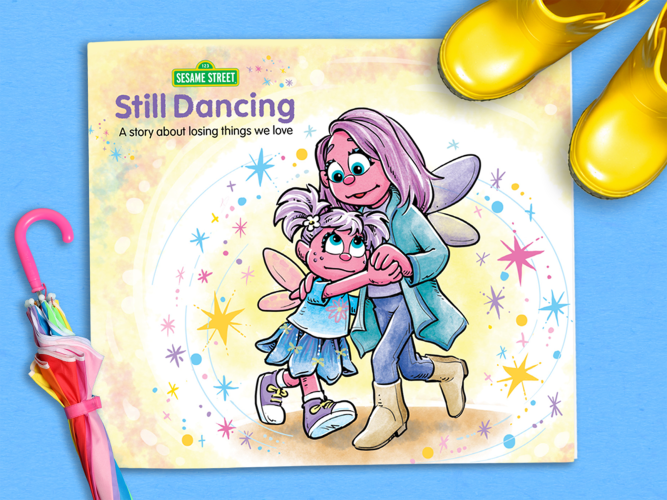
Still Dancing
A storybook to help children cope with losing something they loved.