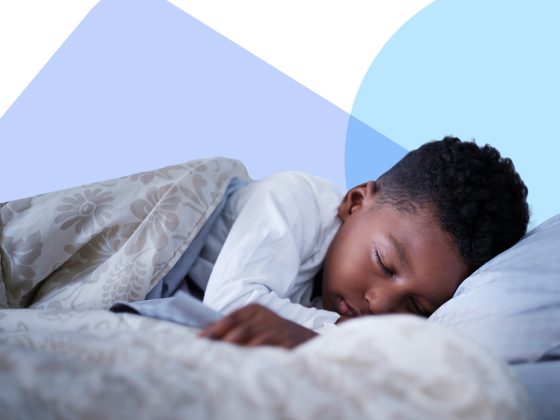
Rethinking Rest
Rest is about more than what happens when we close our eyes at night. Read and learn about the many kinds of rest.
You already know how important a good night’s sleep is for your child (and for you!), as well as the value of naps and quiet rest. But there’s even more to rest than we usually think about!
Rest is about more than what happens when we close our eyes at night—it’s a state of mind that lets us “recharge” physically, emotionally, and mentally. All kinds of rest are important for children’s brain development, and it can take different forms:
Physical Rest: This is the type of rest most of us think of first! It can look like:
- Sleeping
- Napping
- Lying down and reading, cuddling, or just closing your eyes
- Doing slow gentle stretches
Mental Rest: Just as our bodies need rest, so do our minds! Our world often moves fast. We know the feeling of being mentally tired from work, and children’s brains are also working hard to grow and learn all the time. Mental rest can look like:
- Taking small breaks when doing challenging tasks
- Taking deep breaths
- Closing your eyes and listening to music
- Turning off your phone
- Avoiding social media (for adults)
- Encouraging children to stretch, breathe, and move… and joining them!
Sensory Rest: Sounds and light—whether from screens or elsewhere—can drain our attention and make us feel more tired. Both children and adults can get overstimulated, and we all need to rest our senses sometimes. Our brains need a break (and breaks help children’s brains grow)! Sensory rest might look like:
- Having screen-free time
- Turning off the television if no one is watching
- Making sure more than one screen isn’t on at a time
- Taking a walk outside
- Having a bath
- Closing our eyes and just noticing our breathing
- Snuggling up under a blanket to read a book
- Finding a quiet place to do a calming activity like coloring or working on a puzzle
- Making and using an ocean bottle
The kind of rest you and your family need might change from day to day. Whether your child is snuggling in for a nap or the whole family taking a screen break to go for a walk, there are lots of small ways to add rest into your family’s healthy routine.
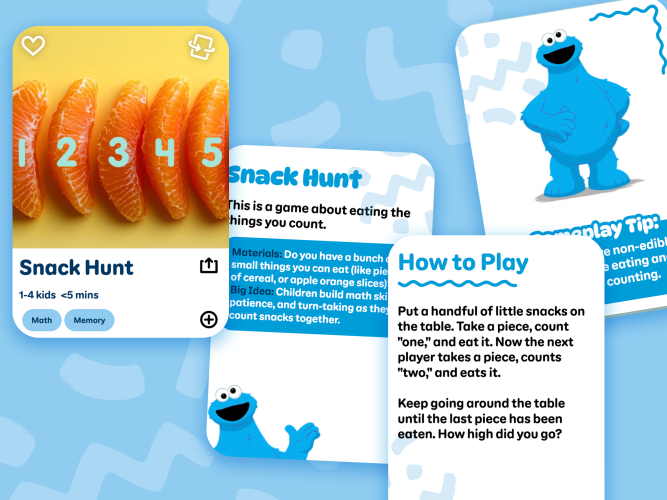
Let's Play Outside
Learning happens everywhere! Explore "outdoor science" ideas that encourage children to engage with the world around them.
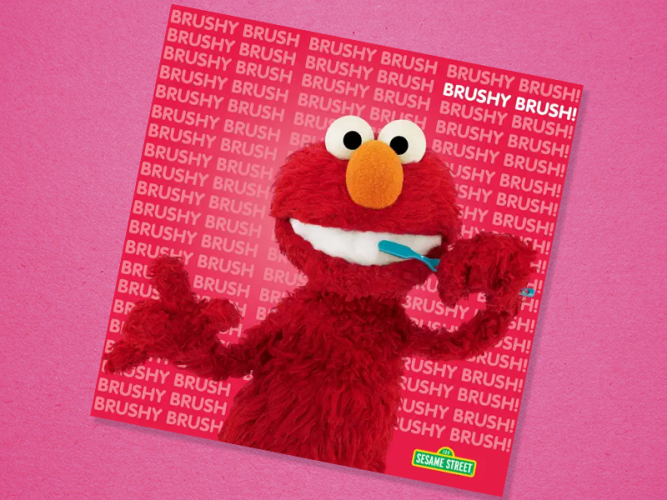
Brushy Brush
These catchy tunes build healthy habits while helping little ones practice oral health.
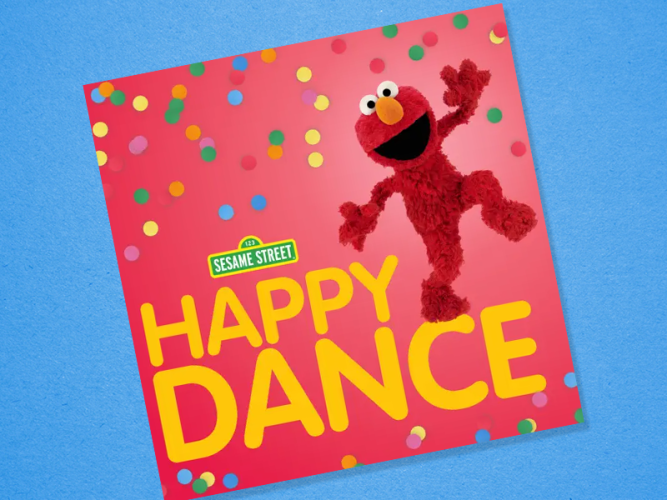
Happy Dance
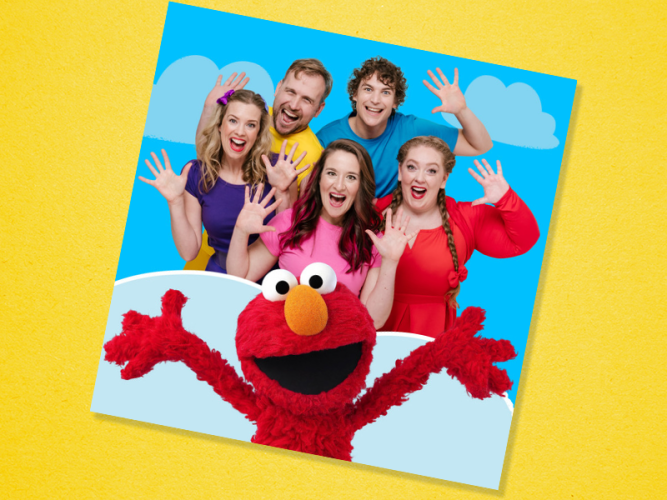
Sesame Street with Bounce Patrol
These high-energy tunes get little ones moving and grooving together.
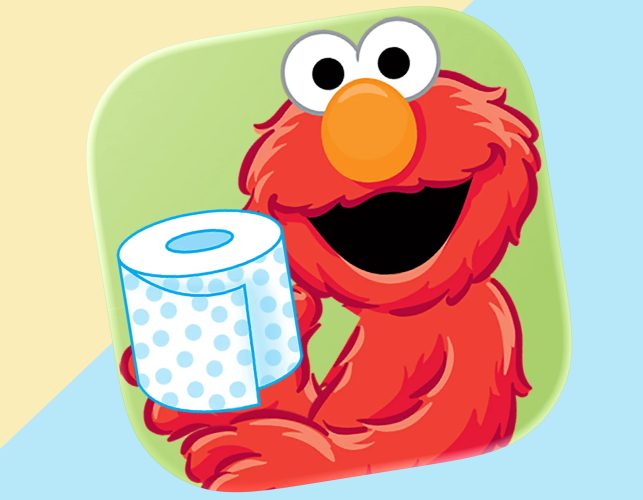
Potty Time with Elmo
Elmo reads this animated storybook in an app filled with games, songs, stickers and potty progress chart that all help ease your child through toilet training.
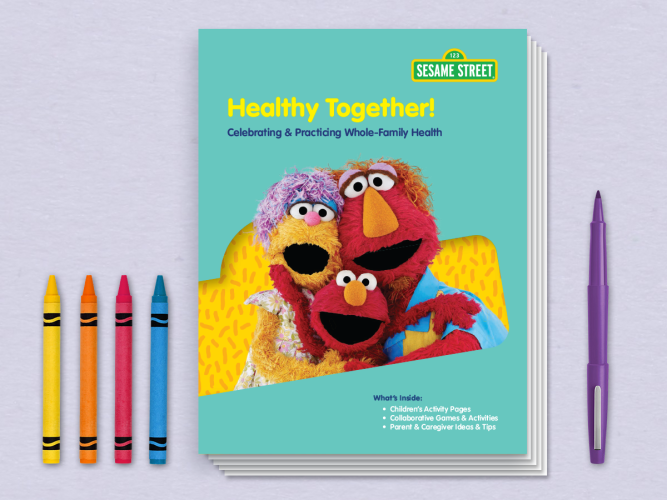
Healthy Together: Celebrating & Practicing Whole-Family Health
Use these whole-family activity pages to explore new ways to build healthy habits and take care of yourselves… as a family.

Small Steps, Healthy Wins
A course for clinicians that offers evidence- and strengths-based guidance to aid in your work supporting families in building healthy habits that last a lifetime.