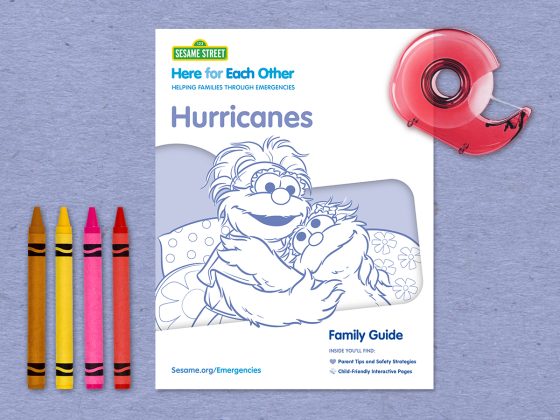
Here for Each Other: Hurricanes
Recovering from a hurricane.
We get through the toughest times together: as families, as neighbors, and as communities. Emergencies like hurricanes can be challenging for everyone, but your love and support go a long way toward helping your child feel safe. Small moments of care make a big difference in building resilience and adaptability that lasts a lifetime. Explore these interactive parent-child pages for:
- Child-friendly explanations about what happened
- Soothing activities and tips to help children work through big feelings
- Self-care strategies for grown-ups
- Information about the special helpers in your community
Preview the guide below:
You have each other. Hurricanes can bring lots of wind and rain… and big changes to our routines. It’s normal for children (and grown-ups!) to feel shaken or scared after a storm like this, especially if your family is coping with new challenges. Even when things look different outside, your love and calm presence help your child feel safe.
Children feel more secure when they understand what happened and what’s coming next.
This guide offers simple ways to comfort and support your child after a hurricane—through play, talking, and spending time together. And remember, you are not alone. We are here for each other!
SAFETY FIRST
» Be aware of possible secondary impacts like flooding or power outages.
» Avoid touching floodwater—it may be dirty or unsafe. Watch out for broken glass, sharp objects, or fallen branches.
» Stay away from downed power lines and damaged buildings.
» If the power is out, use flashlights or battery-powered lights, not candles.
» If you use a generator, make sure it stays outside and away from windows.
» Use bottled water or water that has been properly treated or boiled if there’s any chance your water supply was affected or contaminated.
» Keep in touch with family, friends, and neighbors to let them know you are safe.
» Follow officials’ recommendations and don’t return to buildings or homes until emergency workers tell you it’s safe.
Comfort and Reassurance
Your caring presence goes a long way in helping your child feel safe. Here are some simple ways to help your child feel secure and supported.
 Provide Comfort
Assure your children that they are safe and loved. Let them know that even if your home or neighborhood looks different, there are many helpers working to fix things, and you will take care of them no matter what. Hold hands and snuggle often! Holding a comfort item, like a blanket or toy, may also help. Lean into your relationships with the trusted friends and neighbors around you: “See how our community is getting through this together!”
 Model Healthy Ways of Coping
After a hurricane, children look to the adults around them to see how they should feel and react. As much as possible, try to stay calm and encourage children to talk about their feelings, while surrounding them with positive conversations and activities. This also means taking care of yourself!
 Try to Keep One Routine
After a hurricane daily life might feel different. Finding a few consistent activities that your child can look forward to each day can give them a sense of control. Even simple routines like bedtime stories or a set snack time can help. You might let your child know that things will be different for a little while, but you will also have special time together.
 Answer Questions
Children may ask you a lot of questions after a hurricane and providing them with clear and honest answers will go a long way towards helping them feel safe. Follow your child’s lead; usually their questions will let you know how much they are ready to hear.
 Monitor the Media
Avoid your child seeing repeated images of the hurricane and its damage. If you think your child might have seen or heard something, ask them about it. Correct inaccurate information while validating their thoughts and emotions about what they have experienced.
Watch and Listen
It’s normal for children to feel worried or act differently after a hurricane. If these changes last a longtime or make daily life hard, your child may need some extra help.
Looking for Signs of Stress
If you observe unusual clinging or fear of being alone…
» try to use gentle words and reassure them that you will keep them safe. Offer a comfort item like a toy or blanket. If they are fearful of separating, remind them that you always come back and let them know when you will return.
If you observe fear around reminders of the hurricane like wind, rain, or loud noises
» try to let children know that you understand why reminders of the hurricane might feel scary and gently reassure them that they are safe with you.
If you observe trouble sleeping…
» try to keep a consistent bedtime routine to provide comfort. Read a favorite story or sing a favorite song each night. Doing a “body scan” in which children take a deep breath and check in on how each part of their body feels from head to toe can be a good way to relax together.
If you observe your child is less open, verbal, or otherwise withdrawn…
» try to ask how they’re feeling and help them talk about it. (“I see you’re crying, it seems like you’re feeling sad. I feel sad sometimes too. Do you want to tell me more about how you are feeling?”) Offer them other ways to express themselves, such as drawing or playing with dolls or stuffed animals.
If you observe more frequent outbursts and meltdowns…
» try to help them describe their feelings with words, such as angry, sad, scared, or worried. Provide an outlet like jumping, walking, or play that engages children’s senses, like feeling different textures or “drawing out” their feelings. Keeping routines can also help prevent meltdowns.
If you observe more (or a return to) wetting the bed, thumb-sucking, or baby talk…
» try to offer extra comfort, love, and affection. These are common behaviors after a stressful event and will likely fade with time and support.
Questions and Answers
After a hurricane, your child may have questions. Let them ask at their own pace and try to answer honestly and calmly. Here are some simple ways to respond to common questions.
What Happened?
There was a hurricane—a big storm with strong wind and lots of rain. Hurricanes can cause damage which might mean we have to leave our home for a little while to stay safe. Other things might happen, like our power going out or there being a lot of water on the ground. My job is to keep you safe, and we’ll get through this together.
Will We Be Okay?
Yes, we will be okay. It may take a little while to get back to our regular routine, but there are helpers all around, fixing things and making sure our community gets better.
Why Did This Happen? Did We Do Something Bad?
They happen sometimes, but weather experts can often let us know when a storm is coming so we
have time to prepare.
Who Will Take Care of Me?
I will take care of you. I’m going to do everything I can to make sure you have what you need. And there are lots of other people who can help too, like neighbors, doctors, teachers, and emergency helpers.
When Can We Go Home?
We have to wait until the helpers tell us it’s safe. But even when we aren’t in our house, we are still a family and home is wherever we are together.
There are questions you may not have an answer to. It’s okay to be honest and say, “I don’t know. But what I do know is that I love you and I’m going to keep you safe.”
Big Feelings
After a hurricane, your child may have big feelings that come and go in waves. You can help by giving your child words to name their feelings and by asking questions that encourage them to open up. A good place to start is by observing children’s behavior (“I notice you are a little quiet today”) or asking children where they are feeling something in their body. (“Where do you feel your nervous feeling in your body?”) Let them know that we all have big feelings and that it’s okay to talk about them.
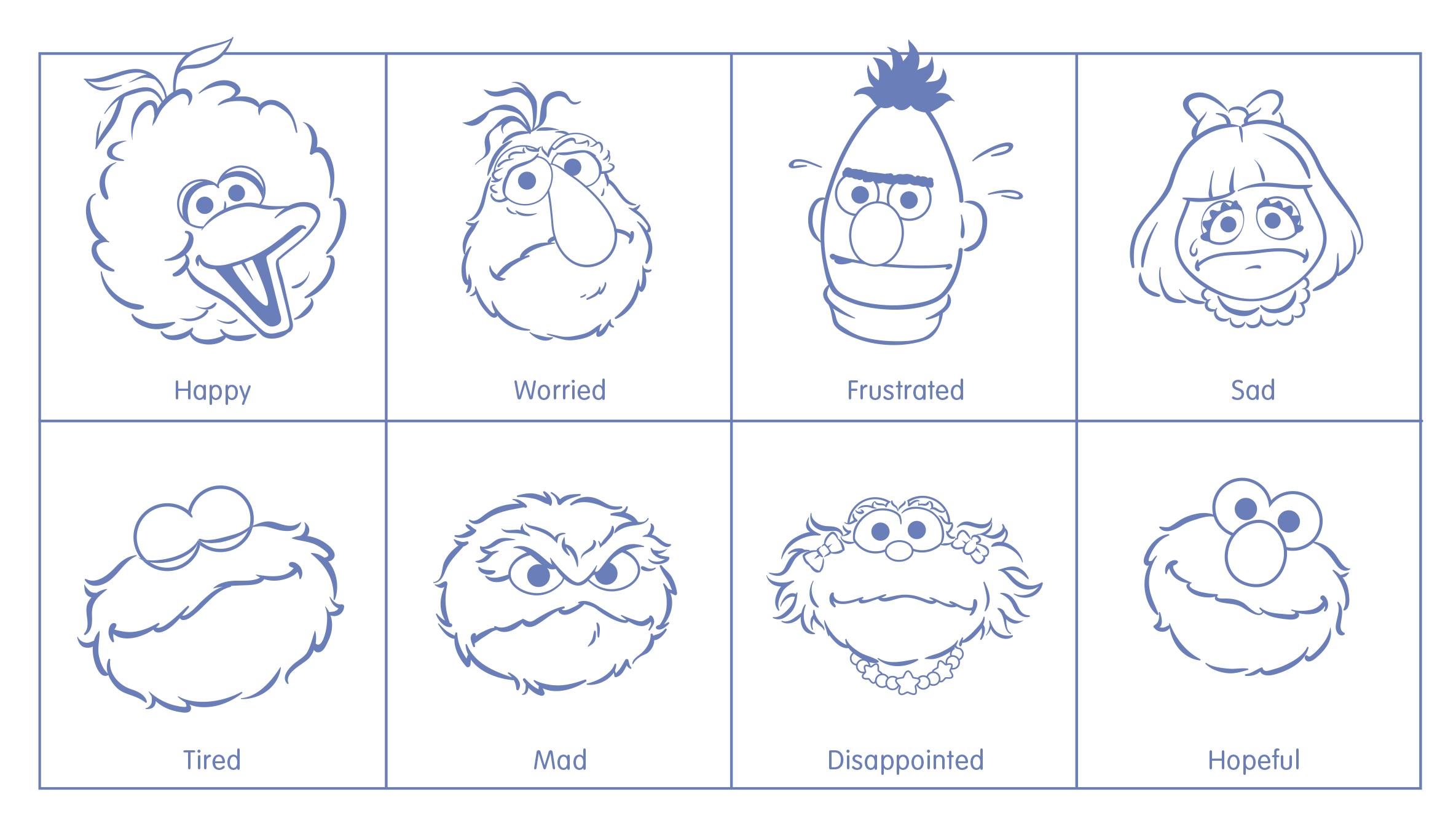
How Do You Feel?
Show your child these feelings faces and ask them to point to one that matches how they’re feeling. You might say, “I see you’re pointing to the worried face. I understand why you might feel worried. Can you tell me more about it?” (For instance, you might encourage them to work through their worried feelings by moving or drawing).
Some children may talk about their feelings; others may express themselves through art, movement, or pretend play.
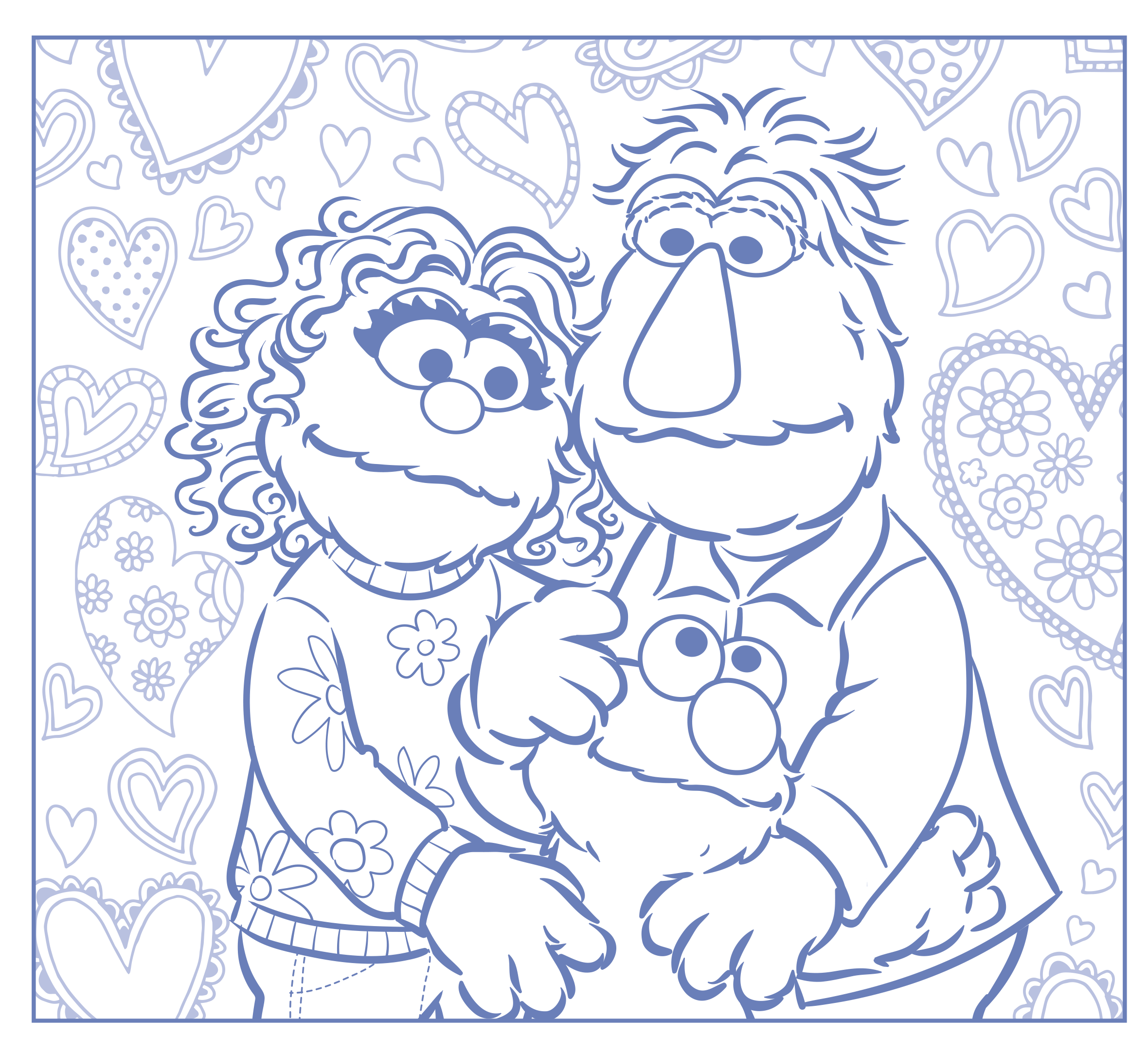
We Have Each Other
Even in stressful times, there are opportunities to connect as a family. In quiet moments, you might spend some time coloring this page with children. Remind them, “No matter what, we always have each other.”
Look for Helpers!
After a hurricane, it can be reassuring to know that there are many people working to make things better. Let children know that there are helpers all around. You might see:
» Emergency responders
» Utility crews
» Line workers
» Plumbers and electricians
» Volunteers handing out supplies
» Neighbors helping neighbors
» Doctors and nurses at clinics or mobile units
Ask children which helpers they see pictured below. Have they noticed any around them?
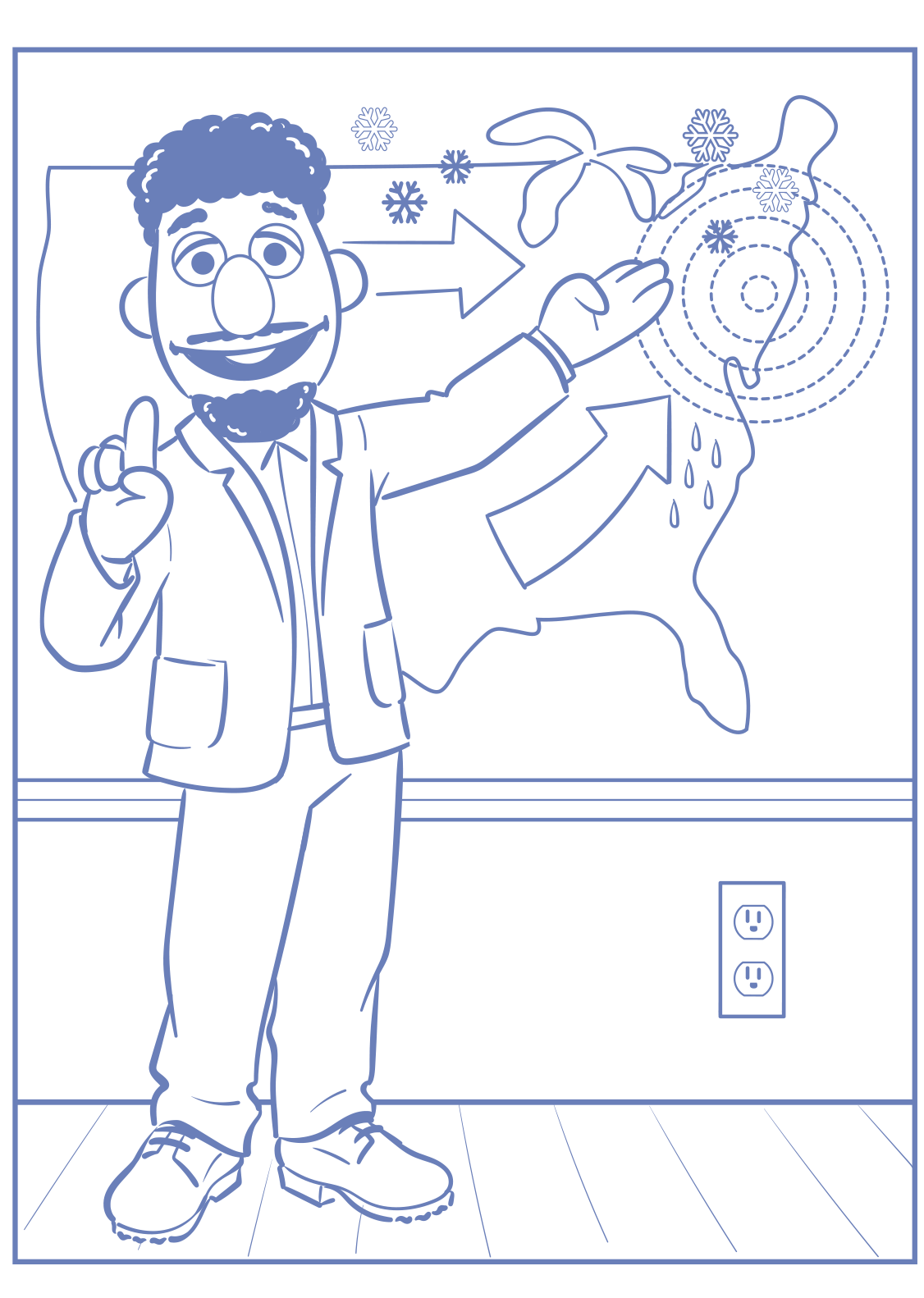
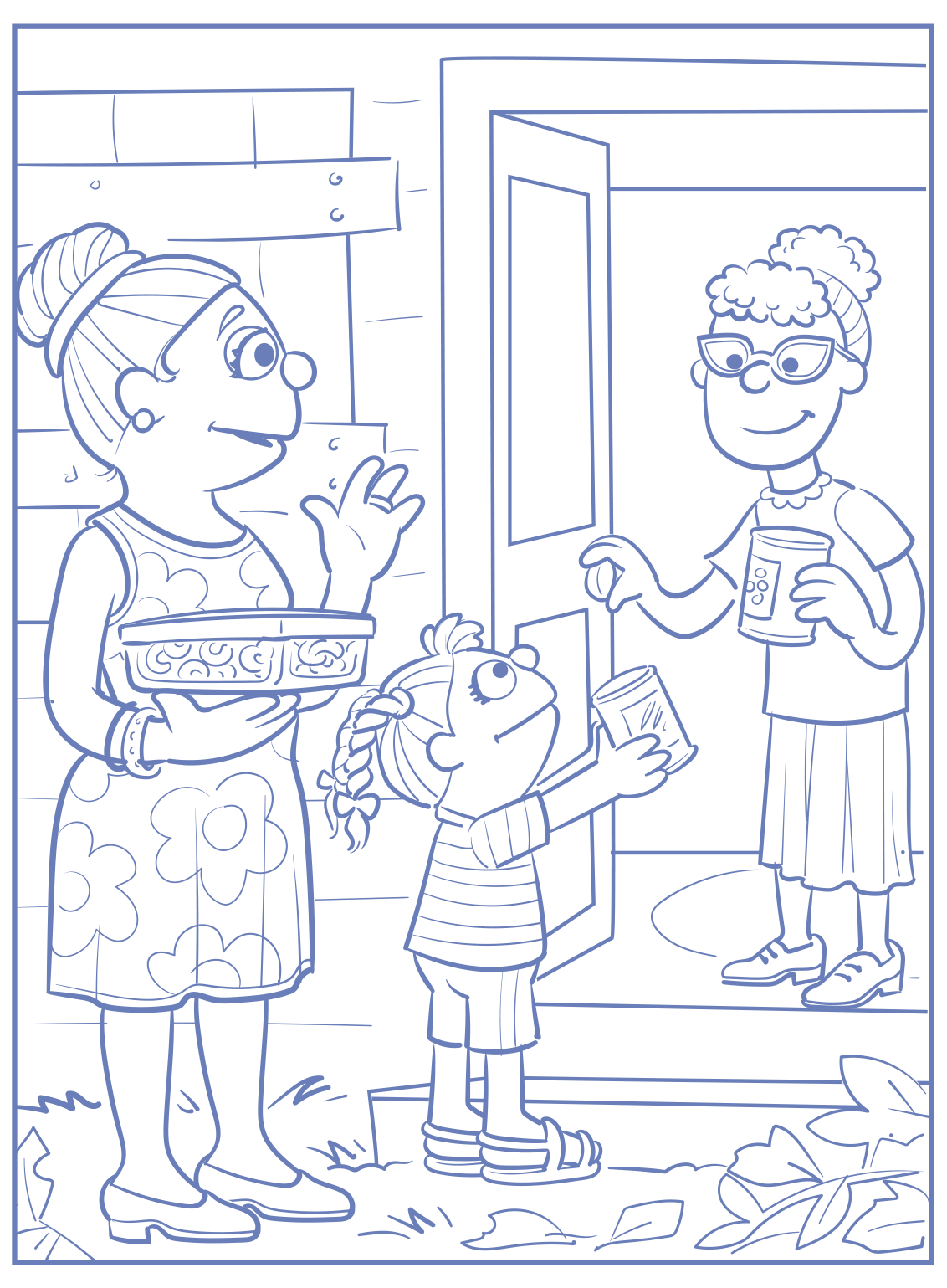
Meteorologist: A meteorologist or weather forecaster is a scientist that studies the weather. They help let people know when storms are coming so they can prepare.
Neighbors Helping Neighbors: Every neighbor can be a helper! Sharing supplies, making community meals, and checking in on each other helps the whole community through hard times.
Take Care of Yourself
After a hurricane, it’s normal to feel stressed, tired, or overwhelmed. When you care for yourself, you can better comfort and protect children—and little ones learn lifetime lessons by watching their parents take care of themselves and build their own resilience. Try to do something that helps you feel a little better each day.
Breathe
Close your eyes and put your hands on your belly. Take a slow, deep breath in through your nose and slowly out through your mouth. You might also slowly raise and lower your arms as you breathe… and pretend you are flying like a butterfly!
Relax
To relieve muscle tension, roll your neck and shoulders or make big arm circles.
Stay Active
Even five minutes of stretching can help your body feel more relaxed and cared for. Remember to take care of your body in simple ways like eating and drinking water.
Connect
Reach out to someone you trust and can talk to—a relative, friend, faith leader, or counselor. Even a few minutes of rest, laughter, or connection helps rebuild strength. You are not alone.
Imagine
Close your eyes, take slow, deep breaths and picture a situation or place that feels peaceful. Sing or listen to a favorite song. “Dig deep” for the best, strongest parts of yourself. This will help keep you steadier and remind you that you can keep it together for your little ones.
Show
Let your children see you take care of yourself, it helps them learn how to care for themselves too!
Story: Elmo’s Indoor Party
Last night there was a big storm on Sesame Street. The wind was strong. The rain was loud. Elmo and his family stayed safe inside their home. After the hurricane passed, Elmo looked outside. Leaves and branches were everywhere and their street sign had fallen down. It wasn’t the Sesame Street Elmo was used to.
“Elmo,” said his daddy, “The storm is over, and we are safe. Look at the helpers starting to fix things.”
It was true. Elmo counted three neighbors handing out water and two special helpers in orange vests riding in a big truck with a ladder. Elmo still felt a little scared and unsure. “When can Elmo go outside to play? When can Elmo go back to school?” he asked.
“I don’t know when yet, Elmo,” said his mommy. “I know it can be hard when our routines change, but
we need to give things a little time so special helpers can fix things. Can we come up with some indoor activities together?”
Elmo heard a knock at the door. It was Abby and Rudy with their mommy Maggie. “Can Abby and Rudy play with you for a little while? Some water is leaking in our apartment and we need time to fix it.”
“Yeah!” said Elmo. “You can help us think of some fun things to do inside.”
Abby, Rudy, and Elmo played pretend pirates, made an obstacle course, and drew cards for all the special helpers working hard after the storm. Soon, Sesame Street was looking a just a little bit better.
“We couldn’t go outside today,” said Elmo. “But we still made it special.”
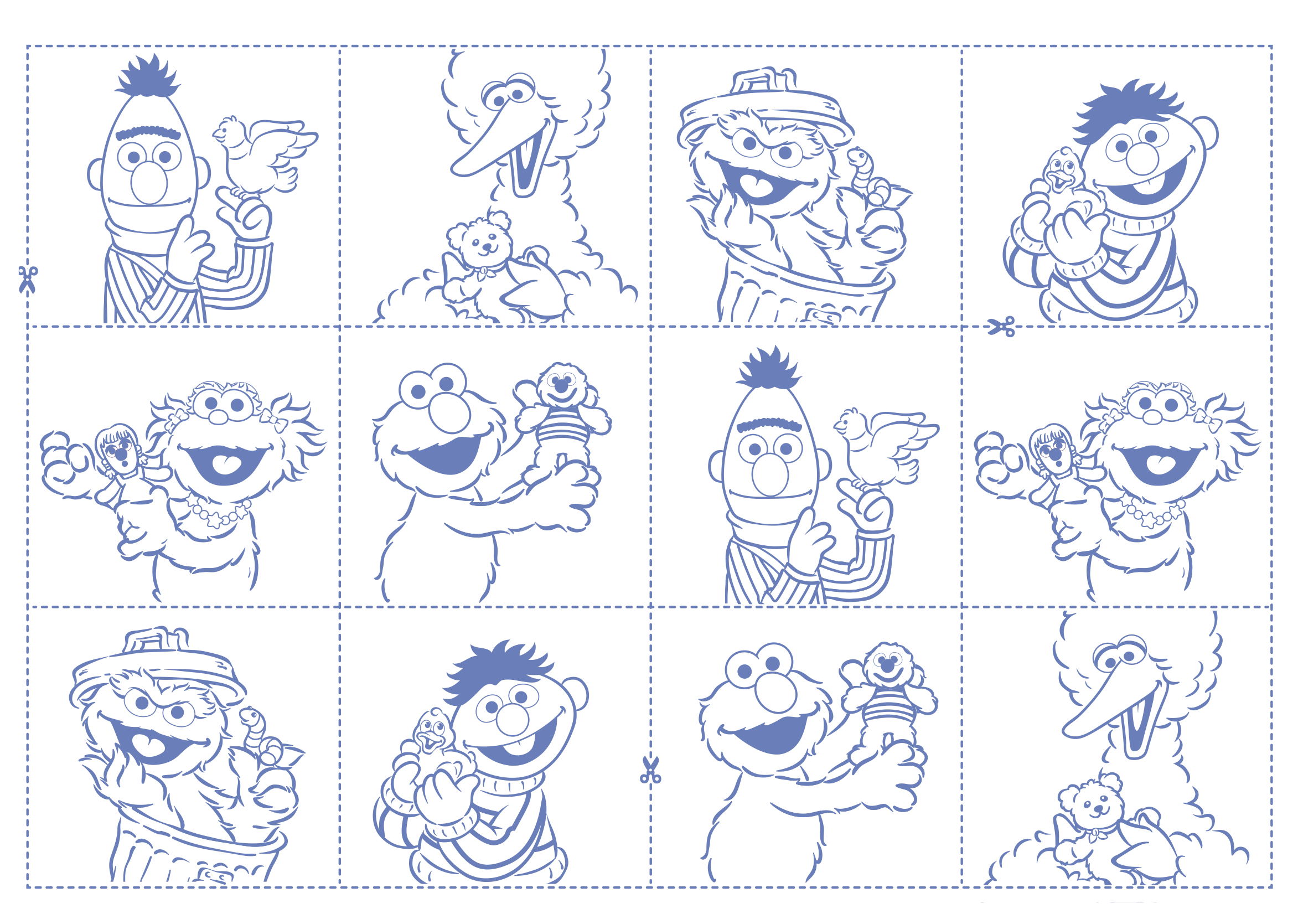
Our Favorite Things
Sesame Street friends have a favorite toy or animal friend that helps them feel better when they have a big feeling. Have your child choose one of these cards to hold when they need a Sesame Street friend to help them feel better.
Memory Game Instructions
- Play with a friend. Cut apart these cards and lay them face down in a big square shape.
- Take turns flipping over cards, two at a time. If the cards match, keep them and take another turn. If the cards do not match, turn them back over in their places and try to remember the cards you’ve seen so you can find matches in the next turn. Let your friend take a turn.
- Play until all the cards have been matched.
Here for Each Other Family Guide: Floods
Helping children after a flood.
Let’s Get Ready: Emergency Family Guide
Prepare for emergencies as a family.
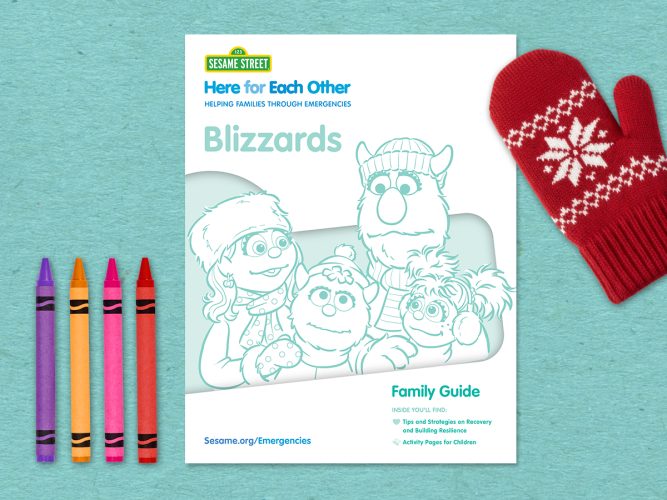
Here for Each Other: Blizzards
Help little ones feel safe and calm at home during severe winter weather.
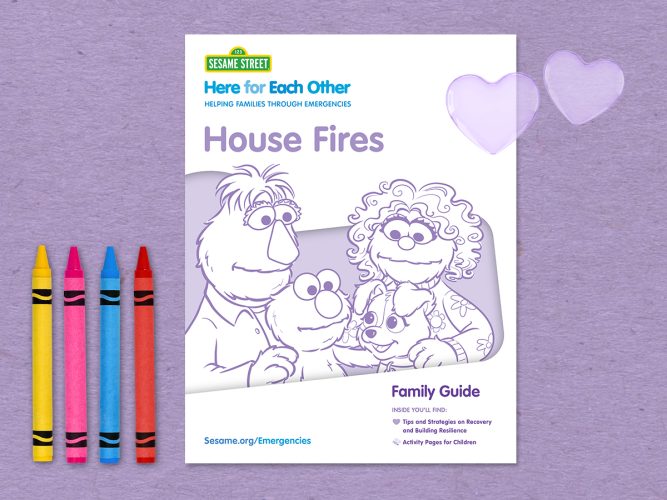
Here for Each Other: House Fires
Comforting children after a house fire.
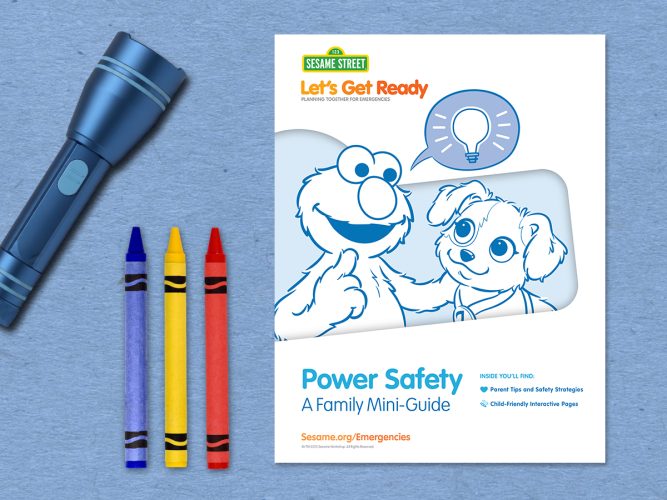
Let’s Get Ready: Power Safety
Keep the whole family safe around electricity.
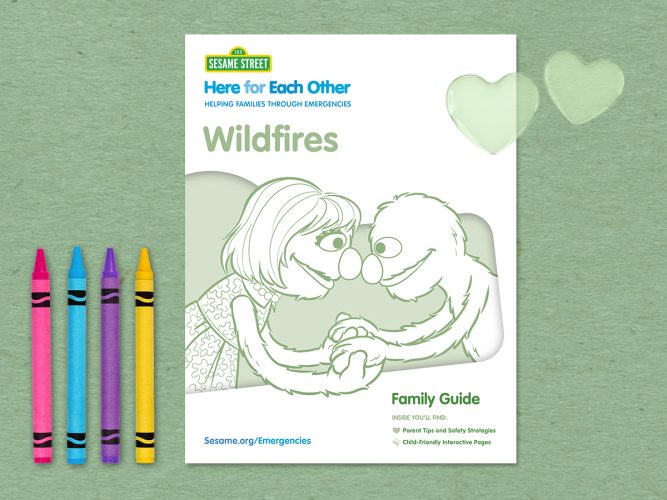
Here for Each Other: Wildfires
Support children during and after wildfires.
