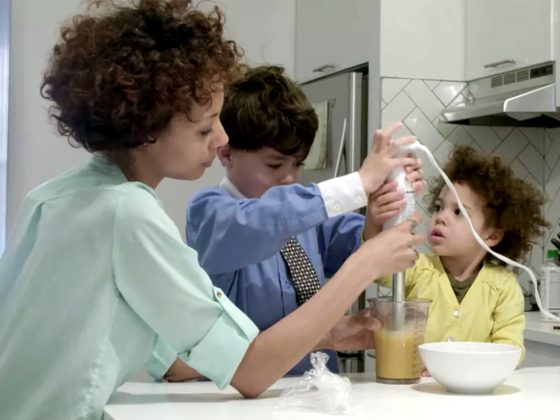
Family Routines
Encourage families to bond through playful, everyday interactions.
Families: everyone’s in them together! Parents and caregivers may think that “together time” needs to be planned, which can be challenging with unpredictable schedules. In this workshop, you’ll show families ways to create special bonding moments and learning opportunities during everyday routines, especially through playful interactions.
- Show families the Spending Time Together video. Afterward, ask parents about special ways they playfully interact with kids during everyday routines, such as grocery shopping, laundry time, or mealtime. Encourage families to share ideas aloud (you might record them on chart paper). Ideas might include talking to baby about what she’s looking at (while grocery shopping, a parent might say, “Look at those round, red apples”), putting older kids in the position of teacher or helper (while sorting laundry, a parent might say, “Can you help your sister put these socks in a pile?”), or singing a song together after mealtime.
- Hang up five sheets of chart paper labeled taste, touch, smell, sight, and sound, then watch the Learning Through the Senses video. Encourage families to write suggestions for games and activities they’ve tried (or want to try) that use the different senses. As a group, read through the ideas on each sheet.
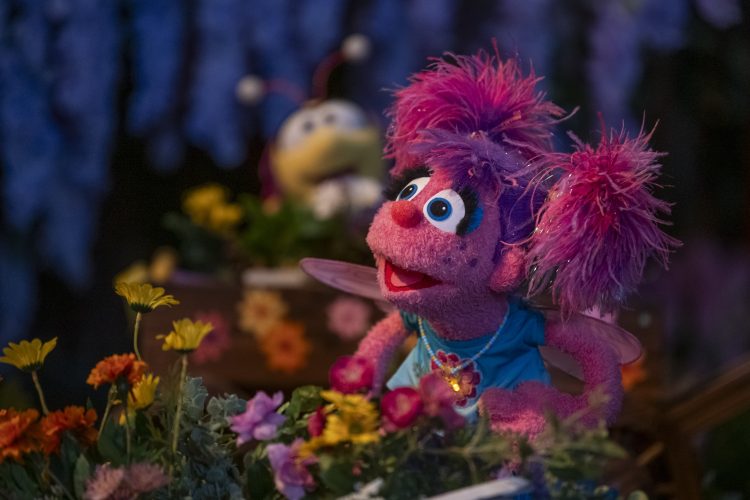
Watch and Play: Abby's Magical Beasties
Watch this episode and explore ways to extend the learning at home.
Sesame Street App
Download the free, official Sesame Street app to watch videos and play fun, educational games in a kid-safe, ad-free environment!

The Beauty of Quiet Time Outdoors
Children can begin to recognize nature as a place they can find calm... and be calmed.
Another Monster at the End of this Book
This is an animated storybook app, which will humorously help teach your child early reading and logic skills.
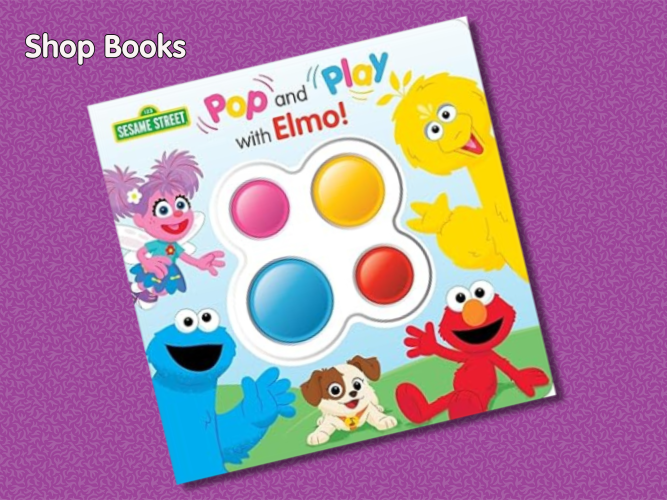
Pop and Play with Elmo!
Wanna mix play and learning? Have your child read Pop and Play with Elmo! to explore counting and colors.

Potty Time with Elmo
Elmo reads this animated storybook in an app filled with games, songs, stickers and potty progress chart that all help ease your child through toilet training.

Adult Teamwork in Children's Tough Moments
When it comes to supporting little ones with big feelings, providers and caregivers work better together!