Cultivating Confidence
Confidence is that sense of self-assurance we get from appreciating our own abilities or qualities, and from mastering new skills.
Confidence is that sense of self-assurance we get from appreciating our own abilities or qualities, and from mastering new skills. When children feel confident, they’re more able to remain optimistic in the face of adversity. There are simple ways grown-ups can help build little ones’ confidence.
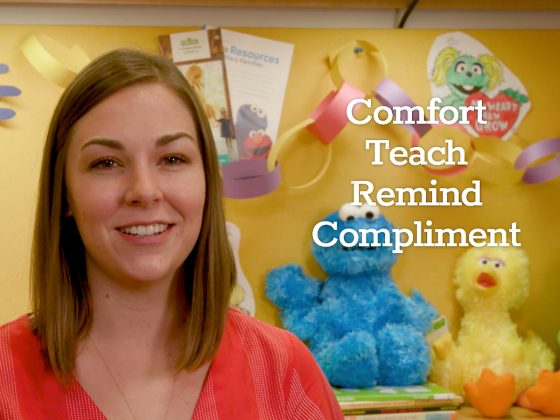
Watch this short video, noting the four strategies highlighted:
- Acknowledge – help children feel seen and heard when we talk about feelings with them
- Introduce – change children’s perspective by introducing the concept of yet
- Remind – concrete examples give children “proof” that they can accomplish new things
- Compliment – offer compliments that encourage a growth mindset
After watching, you might take a look at a few resources, like Elmo Doesn’t Give Up, and Super Teeth Chart to help put these strategies into practice.

The Beauty of Quiet Time Outdoors
Children can begin to recognize nature as a place they can find calm... and be calmed.
Sesame Street App
Download the free, official Sesame Street app to watch videos and play fun, educational games in a kid-safe, ad-free environment!
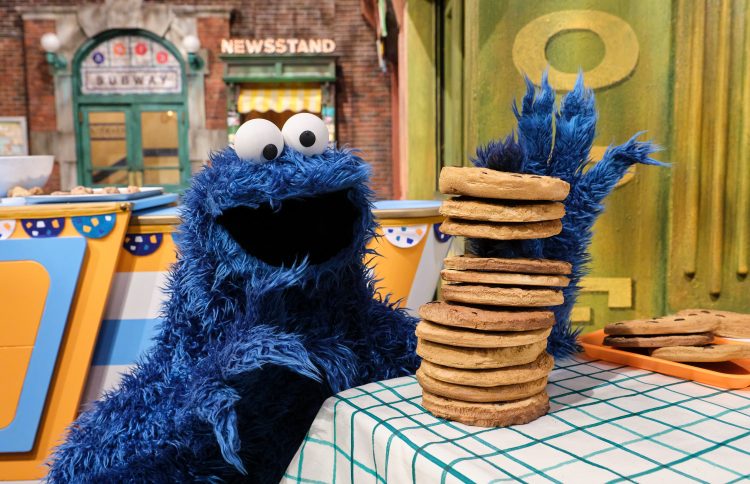
Watch and Play: Elmo and The Great Cookie Stack
Watch this episode and explore ways to extend the learning at home.
Another Monster at the End of this Book
This is an animated storybook app, which will humorously help teach your child early reading and logic skills.

Adult Teamwork in Children's Tough Moments
When it comes to supporting little ones with big feelings, providers and caregivers work better together!
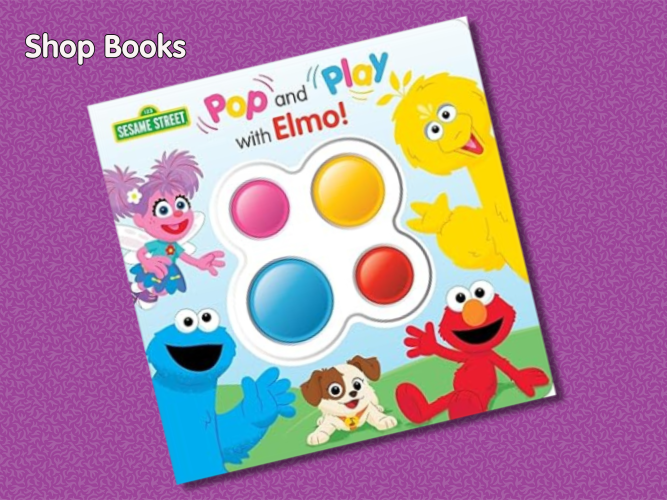
Pop and Play with Elmo!
Wanna mix play and learning? Have your child read Pop and Play with Elmo! to explore counting and colors.

Potty Time with Elmo
Elmo reads this animated storybook in an app filled with games, songs, stickers and potty progress chart that all help ease your child through toilet training.