Here for Each Other: Earthquakes
Rebuild children’s sense of safety after an earthquake.
After an earthquake, families and communities lean on each other to recover. For little ones and grown-ups alike, rebuilding a sense of safety can take time. The good news is even small moments of connection, care, and comfort can make a big difference in healing for the whole family. Explore these interactive parent-child pages for:
- Child-friendly explanations about what happened
- Soothing activities and tips to help children work through big feelings
- Self-care strategies for grown-ups
- Information about the special helpers in your community
Preview the guide below:
You have each other. Earthquakes happen very suddenly and your family has to act quickly to stay safe. Afterward, you might be dealing with aftershocks, damage to your home and community, or big changes to your usual routines. But you have the power to help your child—and your whole family—through this challenge.
Children feel more secure when they understand what happened and what’s coming next. This guide offers simple ways to comfort and support your child after an earthquake—through play, talking, and spending time together. We hope some of these ideas can help you create a warm and soothing environment that helps your family look forward to easier days. And remember, you are not alone. We are here for each other!
SAFETY FIRST
» Follow instructions from officials about staying indoors or evacuating if needed.
» Only re-enter buildings after an emergency worker has checked for damage. Hidden damage can make buildings unsafe. Keep away from windows and heavy furniture until everything is checked.
» Be ready for aftershocks (smaller tremors that happen minutes, hours, or even days after the initial earthquake). If you feel shaking, drop to the ground, cover your head and neck, and hold on until it stops. Move away from windows and anything that could fall.
» If you’re sleeping at home, keep beds or sleeping bags away from windows and exterior walls.
» If power is out, use flashlights instead of candles.
» If advised, use bottled water or water that
has been properly boiled before drinking. Bring water to a full rolling boil for 1 minute (3 minutes at higher elevations). If you’re not sure your water is safe, use bottled water until local officials say it’s okay.
Questions and Answers
After an earthquake, your child may have questions. Let them ask at their own pace and try to answer honestly and calmly. Here are some simple ways to respond to common questions.
 What Happened?
There was an earthquake. It happened because rocks moved deep underground and made the ground shake. We had to act quickly to stay safe, and that might have felt scary. We might feel some more shaking, but we have a plan to stay safe. We’ll get through this together.
Will We Be Okay?
Yes, we will be okay. It may take a little while to get back to our regular routine, but there are helpers all around, fixing things and making sure our community is safe.
Why Did This Happen? Did We Do Something Bad?
No. Earthquakes happen naturally because of movements deep inside the earth, not because of anything we did.
Who Will Take Care of Me?
I will take care of you. I’m going to do everything I can to make sure you have what you need. And there are lots of other people who can help too, like neighbors, doctors, teachers, and emergency helpers.
When Can We Go Home?
We have to wait until the helpers tell us it’s safe. But even when we aren’t in our house, we are still a family and home is wherever we are together.
There are questions you may not have an answer to. It’s okay to be honest and say, “I don’t know. But what I do know is that I love you and I’m going to keep you safe.”
Prepared and Protected
Color and practice this three-step safety strategy with children.
Explain: “Here’s how we stay safe in an earthquake or its aftershocks. Let’s practice Drop, Cover, Hold On like Grover.”

Drop to your hands and knees.

Cover your head and neck with your arms and, if possible, crawl under a sturdy desk or table.
If there isn’t furniture nearby, crouch low against an interior wall, away from windows, glass, or tall furniture that could fall.

Hold on until the shaking stops.
WHAT IF YOU’RE NOT INDOORS?
» If you are in a vehicle, pull over safely, stop, and stay inside with your seatbelt fastened until the shaking ends. Avoid stopping under bridges, trees, or power lines.
» If you are outdoors, move carefully to an open area away from buildings, trees, power lines, and streetlights. Stay there until the shaking stops.
Comfort and Reassurance
Your caring presence goes a long way in helping your child feel safe. Here are some simple ways to help your child feel secure and supported.
 Provide Comfort
Assure your children that they are safe and loved. Let them know that even if your home or neighborhood looks different, there are many helpers working to fix things, and you will take care of them no matter what. Hold hands and snuggle often! Holding a comfort item, like a blanket or toy, may also help. Lean into your relationships with the trusted friends and neighbors around you: “See how our community is getting through this together!”
 Model Healthy Ways of Coping
After an earthquake, children look to the adults around them to see how they should feel and react. As much as possible, try to stay calm and encourage children to talk about their feelings, while surrounding them with positive conversations and activities. This also means taking care of yourself!
 Try to Keep One Routine
After an earthquake daily life might feel different. Finding a few consistent activities that your child can look forward to each day can give them a sense of control. Even simple routines like bedtime stories or a set snack time can help. You might let your child know that things will be different for a little while, but you will also have special time together.
Create a Safety Net
Offer clear and honest information. You might say,
“Helpers are working to fix things. We’ll get through this together.” Follow your child’s lead; usually their questions will let you know how much they’re ready to hear. Avoid your child seeing repeated images of the earthquake and its damage. If they do see or hear something upsetting, watch or listen together and talk about what they saw in simple, reassuring terms.
Watch and Listen
It’s normal for children to feel worried or act differently after an earthquake. If these changes last a long time or make daily life hard, your child may need some extra help. Below are some common reactions and helpful ways to respond.
Looking for Signs of Stress
If you observe unusual clinging or fear of being alone…
» try to use gentle words and reassure them that you will keep them safe. Offer a comfort item like a toy or blanket. If they are fearful of separating, remind them that you always come back and let them know when you will return.
If you observe fear that the earthquake will happen again or increased fear during aftershocks…
» try to let them know that you might feel more shaking in the next couple days but you all have a plan to stay safe. Remind children that many helpers are watching carefully and will help keep everyone protected.
If you observe children becoming extra sensitive to movement or noises, or expressing a desire to wear helmets, shoes, or keep a bag packed…
» try to talk about all the ways your family already knows to stay safe. Giving them simple jobs like checking the emergency flashlight can help them feel more in control.
If you observe trouble sleeping…
» try to keep a consistent bedtime routine. Read a favorite story or sing a favorite song each night. Doing a “body scan” in which children take a deep breath and check in on how each part of their body feels from head to toe can be a good way to relax together.
If you observe your child is less open, verbal, or otherwise withdrawn…
» try to ask how they’re feeling and help them talk about it. (“I see you’re crying, it seems like you’re feeling sad. I feel sad sometimes too. Do you want to tell me more about how you are feeling?”) Offer them other ways to express themselves, such as drawing or playing with dolls or stuffed animals.
If you observe more frequent outbursts and meltdowns…
» try to help them describe their feelings with words, such as angry, sad, scared, or worried. Provide an outlet like jumping, walking, or play that engages children’s senses, like feeling different textures or “drawing out” their feelings. Keeping routines can also help.
If you observe more (or a return to) wetting the bed, thumb-sucking, or baby talk…
» try to offer extra comfort, love, and affection. These are common behaviors after a stressful event and will likely fade with time and support.
Big Feelings
After an earthquake your child may have big feelings that come and go in waves. You can help by giving your child words to name their feelings and by asking questions that encourage them to open up. A good place to start is by observing children’s behavior (“I notice you are a little quiet today”) or asking children where they are feeling something in their body (“Where do you feel your nervous feeling in your body?”). Let them know that we all have big feelings and that it’s okay to talk about them.
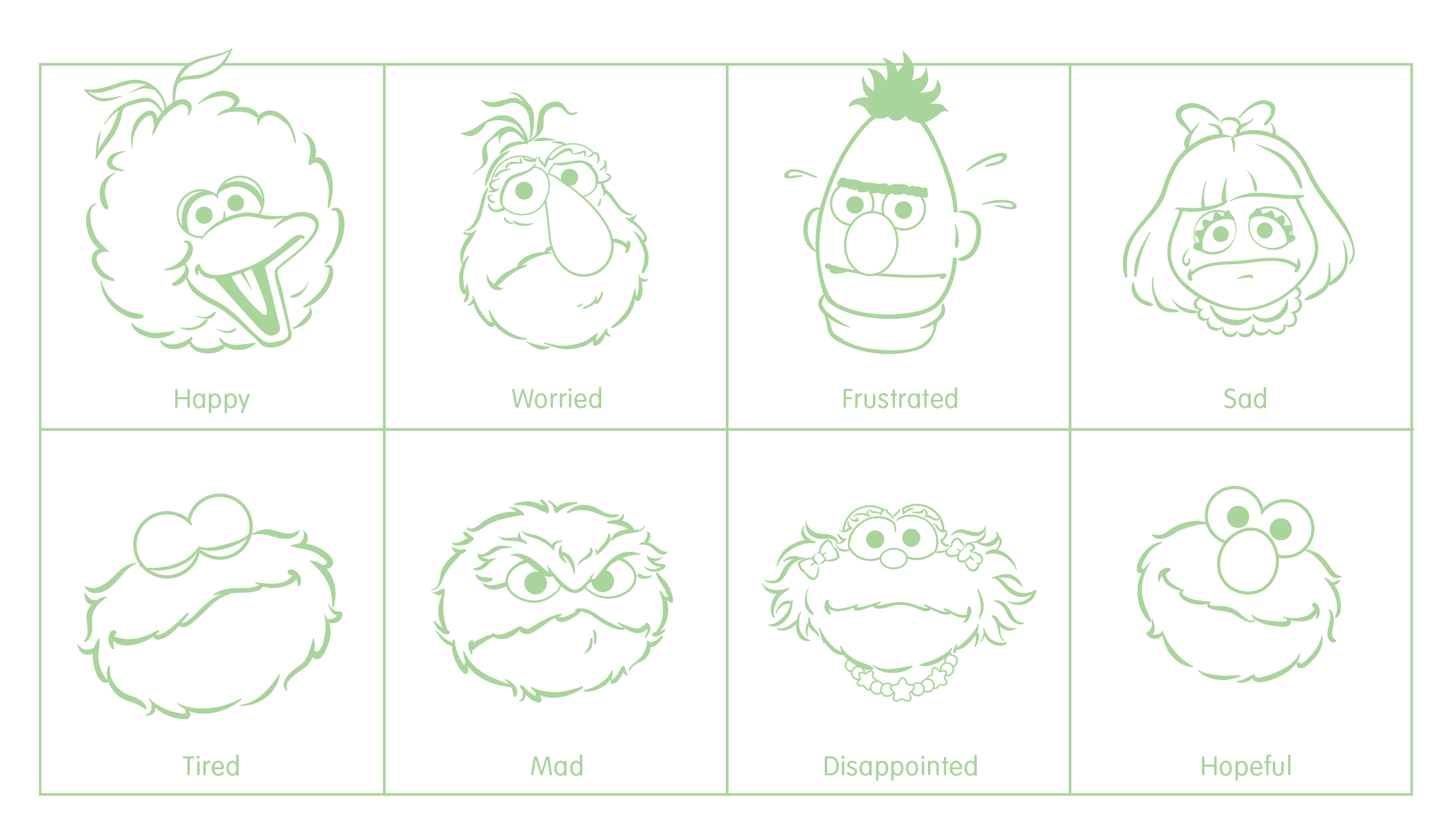
How Do You Feel?
Show your child these feelings faces and ask them to point to one that matches how they’re feeling. You might say, “I see you’re pointing to the worried face. I understand why you might feel worried. Can you tell me more about it?” (For instance, you might encourage them to work through their worried feelings by moving or drawing). Some children may talk about their feelings; others may express themselves through art, movement, or pretend play.
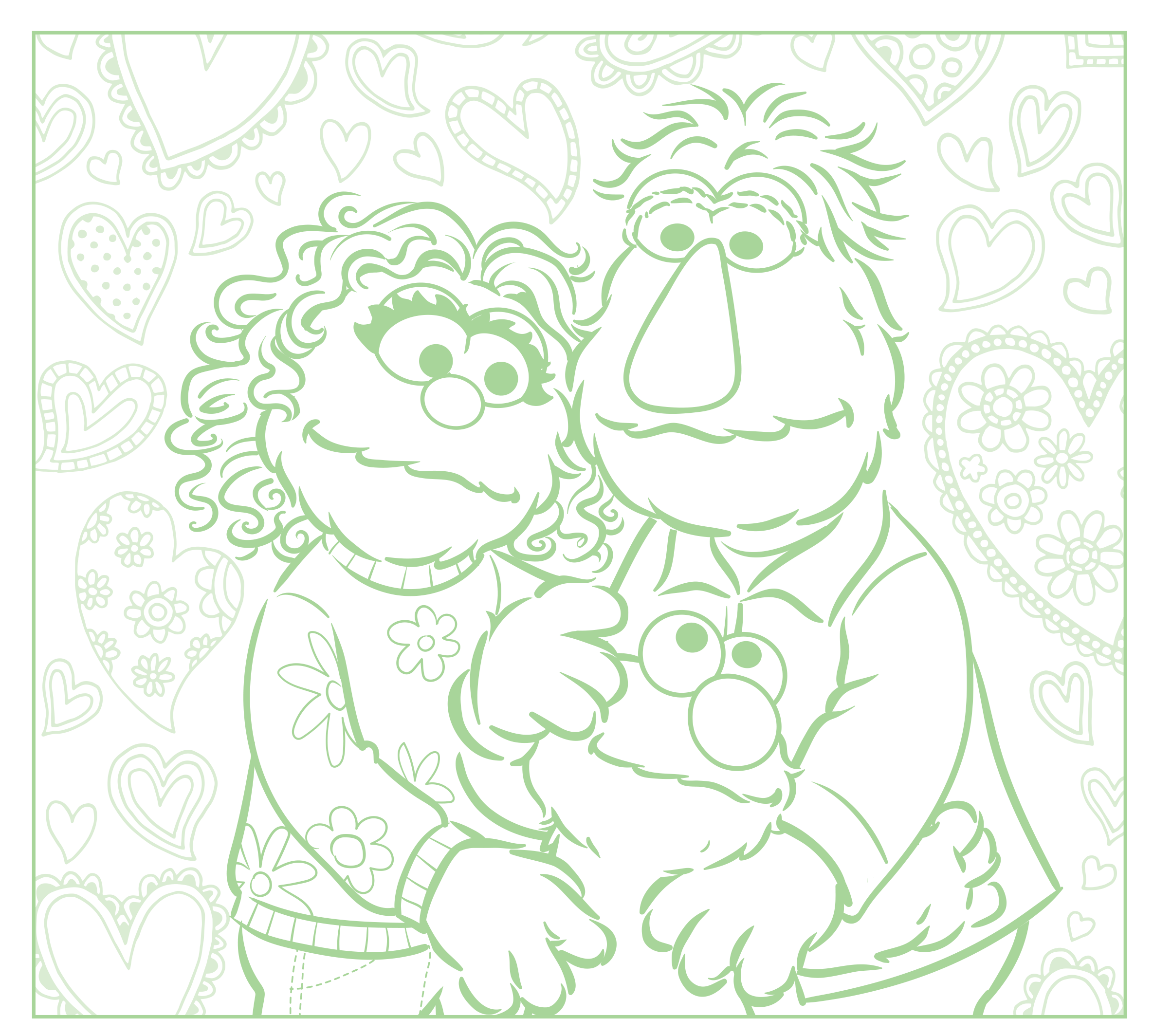
We Have Each Other
Even in stressful times, there are opportunities to connect as a family. In quiet moments, you might spend some time coloring this page with children. Remind them, “No matter what, we always have each other.”
Look for Helpers!
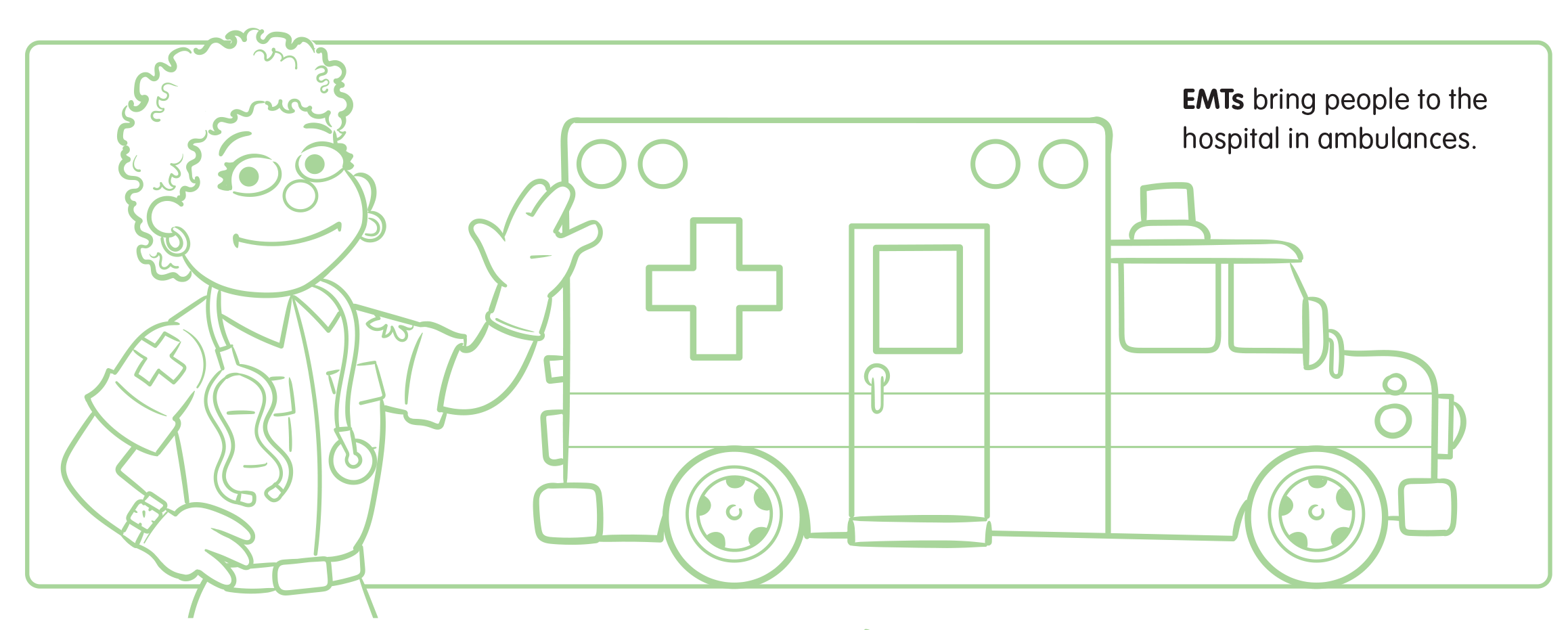
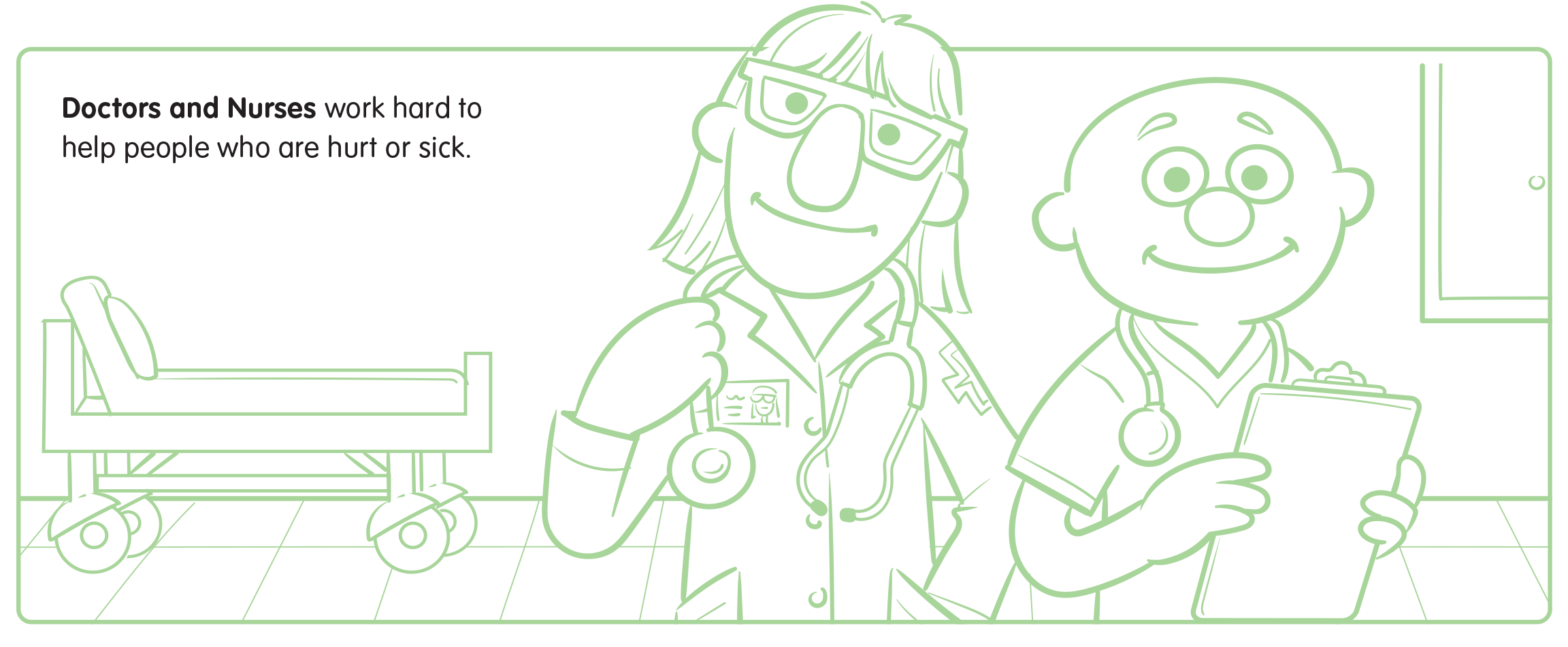
After an earthquake, it can be reassuring to know that there are many people working to make things better. Let children know that there are helpers are all around, talk about their jobs then encourage children to color in the picture. You might see:
» Emergency responders
» Utility crews
» Plumbers and electricians
» Volunteers handing out supplies
» Neighbors helping neighbors
» Doctors and nurses at clinics or mobile units
Take Care of Yourself
After an earthquake, it’s normal to feel stressed, tired, or overwhelmed. When you care for yourself, you can better comfort and protect children—and little ones learn lifetime lessons by watching their parents take care of themselves and build their own resilience. Each day, try to do something that helps you.
Breathe
Close your eyes and put your hands on your belly. Take a slow, deep breath in through your nose and slowly out through your mouth. You might also slowly raise and lower your arms as you breathe… and pretend you are flying like a butterfly!
Relax
To relieve muscle tension, roll your neck and shoulders or make big arm circles.
Stay Active
Even five minutes of stretching can help your body feel more relaxed and cared for. Remember to take care of your body in simple ways like eating and drinking water.
Connect
Reach out to someone you trust and can talk to—a relative, friend, faith leader, or counselor. Even a few minutes of rest, laughter, or connection helps rebuild strength. You are not alone.
Imagine
Close your eyes, take slow, deep breaths and picture a situation or place that feels peaceful. Sing or listen to a favorite song. “Dig deep” for the best, strongest parts of yourself. This will help keep you steadier and remind you that you can keep it together for your little ones.
Show
Let your children see you take care of yourself—it helps them learn how to care for themselves too!
Our Favorite Things
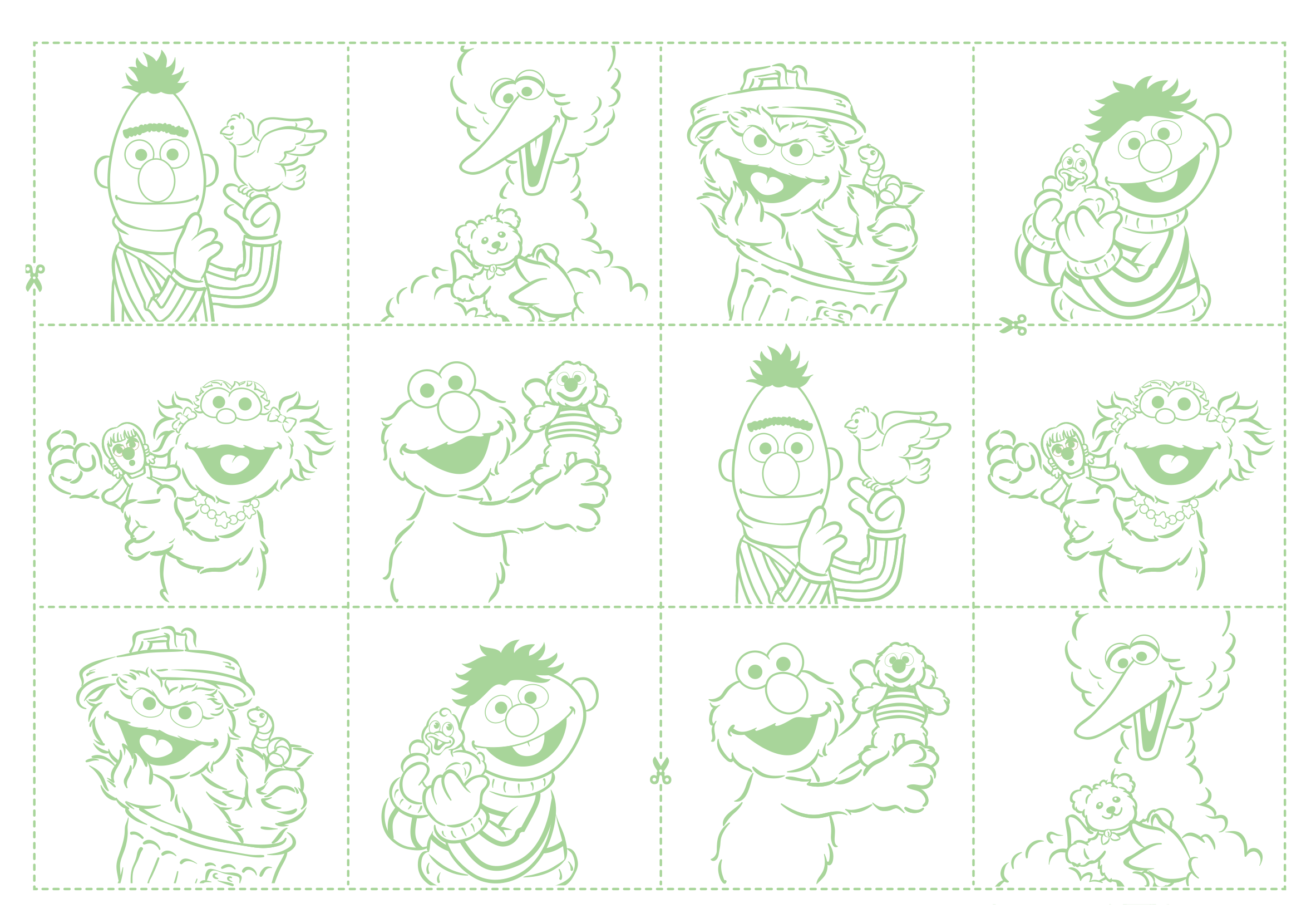
The Sesame Street friends have a favorite toy or animal friend that helps them feel better when they have big feelings. Have your child choose one of these cards to hold when they need a Sesame Street friend to help them feel better.
Memory Game Instructions
- Play with a friend. Cut apart these cards and lay them face down in a big square shape.
- Take turns flipping over cards, two at a time. If the cards match, keep them and take another turn. If the cards do not match, turn them back over in their places and try to remember the cards you’ve seen so you can find matches in the next turn. Let your friend take a turn.
- Play until all the cards have been matched.