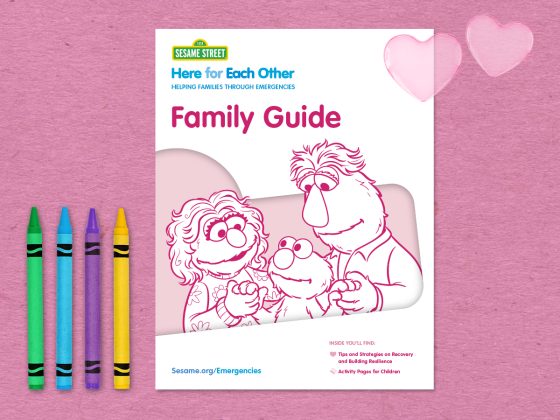
Here for Each Other: Family Guide
An interactive guide to help families recover from emergencies.
Your care goes a long way in helping your child feel safe after an emergency. Explore this family guide for tips and interactive child-friendly activities to help the whole family regain a sense of comfort.
Preview the guide below:
You have each other. It’s normal for children (and grown-ups!)
to feel shaken or scared after an emergency. But no matter what, your love and calm presence help your child feel safe and overcome obstacles.
Children feel more secure when they understand what happened and what’s coming next. This guide offers simple ways to comfort and support your child after an emergency—through play, talking, and spending time together. And remember, you are not alone. We are here for each other!
SAFETY FIRST
» Let your family know that you are safe.
» Stay informed about what
is happening.
» Follow officials’ recommendations.
Questions and Answers
Your child may have questions. Let them ask at their own pace and try to answer honestly and calmly.
 What Happened?
There was an emergency—something happened where we needed to act quickly and get help. I know it was scary, but I’m here to take care of you and keep you safe.
Will We Be Okay?
Yes, we will be okay. It may take a little while to get back to our regular routine, but there are helpers all around, fixing things and making sure our community gets better.
Why Did This Happen? Did We Do Something Bad?
We didn’t do anything bad to make this happen. Sometimes hard things happen that are out of our control. The good thing is we are safe now.
Who Will Take Care of Me?
I will take care of you. I’m doing everything I can to make sure you have what you need. And there are lots of other people who can help too, like neighbors, doctors, teachers, and emergency helpers.
When Can We Go Home?
We have to wait until the helpers tell us it’s safe. But even when we aren’t in our house, we are still a family and home is wherever we are together.
There are questions you may not have an answer to. It’s okay to be honest and say, “I don’t know. But what I do know is that I love you and I’m going to keep you safe.”
Comfort and Reassurance
Your caring presence goes a long way in helping your child feel safe, even when dealing with the challenges and uncertainty that may follow an emergency. Here are some simple ways to help your child feel secure and supported.
 Provide Comfort
Assure your children that they are safe and loved. Let them know that even if your home or neighborhood looks different, there are many helpers working to fix things, and you will take care of them no matter what. Hold hands and snuggle often! Holding a comfort item, like a blanket or toy, may also help. Lean into your relationships with the trusted friends and neighbors around you: “See how our community is getting through this together!”
 Model Healthy Ways of Coping
After an emergency, children look to the adults around them to see how they should feel and react. As much as possible, try to stay calm and encourage children to talk about their feelings, while surrounding them with positive conversations and activities. This also means taking care of yourself!
 Try to Keep One Routine
There is comfort in the familiar, especially after an emergency. Finding a few consistent activities that your child can look forward to each day can give them a sense of control. Even simple routines like bedtime stories or a set snack time can help. You might let your child know that things will be different for a little while, but you will also have special time together.
Answer Questions
Children may ask you a lot of questions after an emergency and providing them with clear and honest answers will go a long way towards helping them feel safe. Follow your child’s lead; usually their questions will let you know how much they are ready to hear.
 Monitor the Media
Avoid your child seeing repeated images of the emergency and its damage. If you think your child might have seen or heard something, ask them about it. Correct inaccurate information while validating their thoughts and emotions about what they have experienced.
Watch and Listen
It’s normal for children to feel worried or act differently after an emergency. If these changes last a long time or make daily life hard, your child may need some extra help. Below are some common reactions and helpful ways to respond.
Looking for Signs of Stress
If you observe unusual clinging or fear of being alone…
» try to use gentle words and reassure them that you will keep them safe. Offer a comfort item like a toy or blanket. If they are fearful of separating, remind them that you always come back and let them know when you will return.
If you observe fear that the disaster will happen again…
» try to keep your child away from reminders of the emergency in the news, online, or in conversations. Reassure them that the emergency is over, and that even if another one happens, you have a plan to stay safe.
If you observe trouble sleeping…
» try to keep a consistent bedtime routine to provide comfort. Read a favorite story or sing a favorite song each night. Doing a “body scan,” where children take a deep breath and check in on how each part of their body feels from head to toe, can be a good way to reground.
If you observe your child is less open, verbal, or otherwise withdrawn…
» try to ask how they’re feeling and provide an opportunity for discussion or for them to ask questions. (“I see you’re crying, it seems like you’re feeling sad. I feel sad sometimes too. Do you want to tell me more about how you are feeling?”) Also, offer other ways for them to express themselves such as drawing or engaging in pretend play.
If you observe more frequent outbursts and meltdowns…
» try to describe their feelings with words, such as angry, sad, scared, or worried. Provide an outlet like jumping, walking, or play that engages children’s senses, like feeling different textures or “drawing out” their feelings.
If you observe more (or a return to) wetting the bed, thumb-sucking, or baby talk…
» try to remind children of your comforting and safe presence by showing some extra love and affection. These are typical behaviors after a stressful event and will likely fade with time and support.
Big Feelings
After an emergency your child may have big feelings that come and go in waves. You can help by giving your child words to name their feelings and by asking questions that encourage them to open up. A good place to start is by observing children’s behavior (“I notice you are a little quiet today”) or asking children where they are feeling something in their body. (“Where do you feel your nervous feeling in your body?”) Let them know that we all have big feelings and that it’s okay to talk about them.
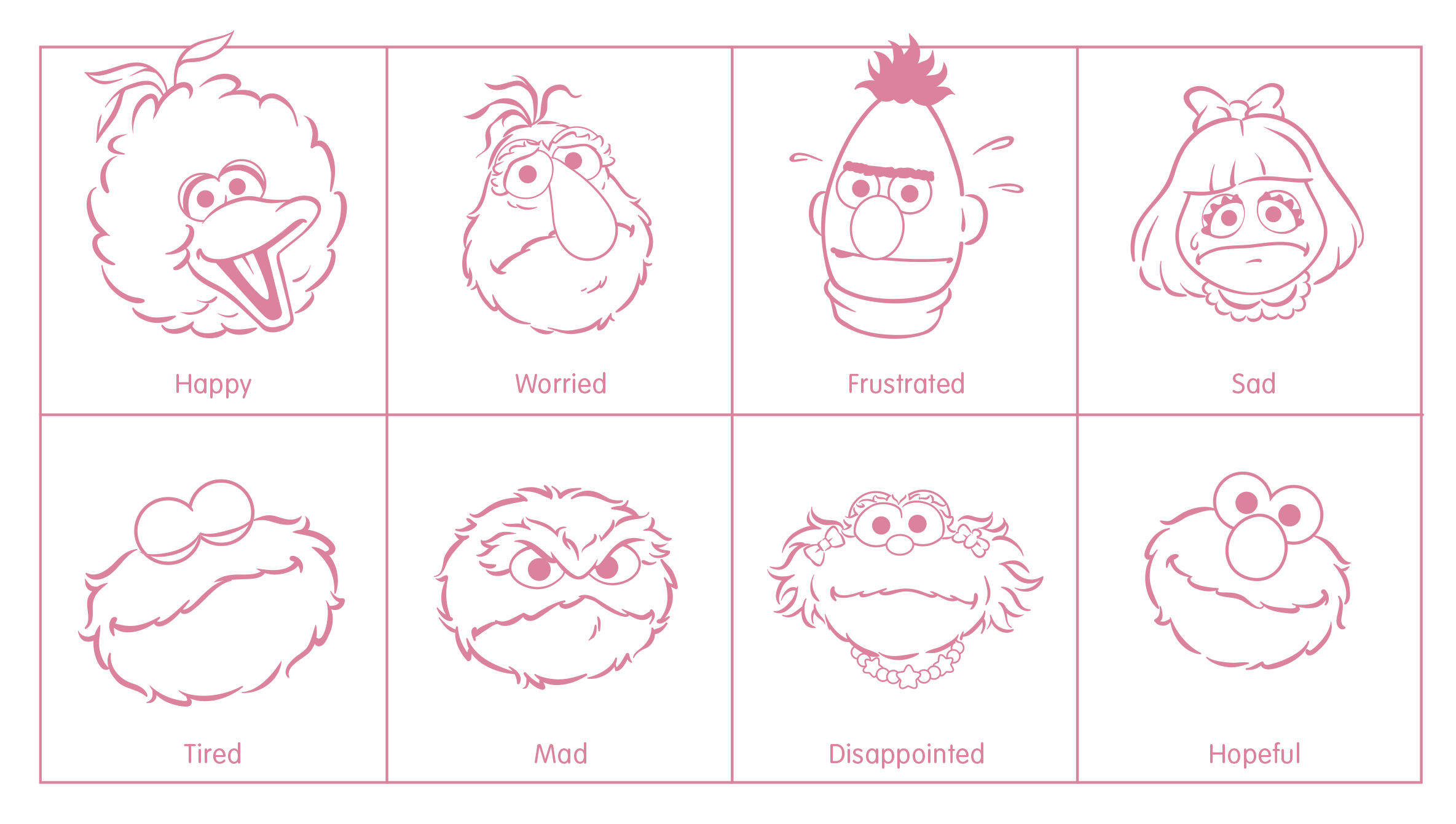
How Do You Feel?
Show your child these feelings faces and ask them to point to one that matches how they’re feeling. You might say, “I see you’re pointing to the worried face. I understand why you might feel worried. Can you tell me more about it?” (For instance, you might encourage them to work through their worried feelings by moving or drawing).
Some children may talk about their feelings; others may express themselves through art, movement, or pretend play.
We Have Each Other
Even in stressful times, there are opportunities to connect as a family. In quiet moments, you might spend some time coloring this page with children. Remind them, “No matter what, we always have each other.”

Look for Helpers!
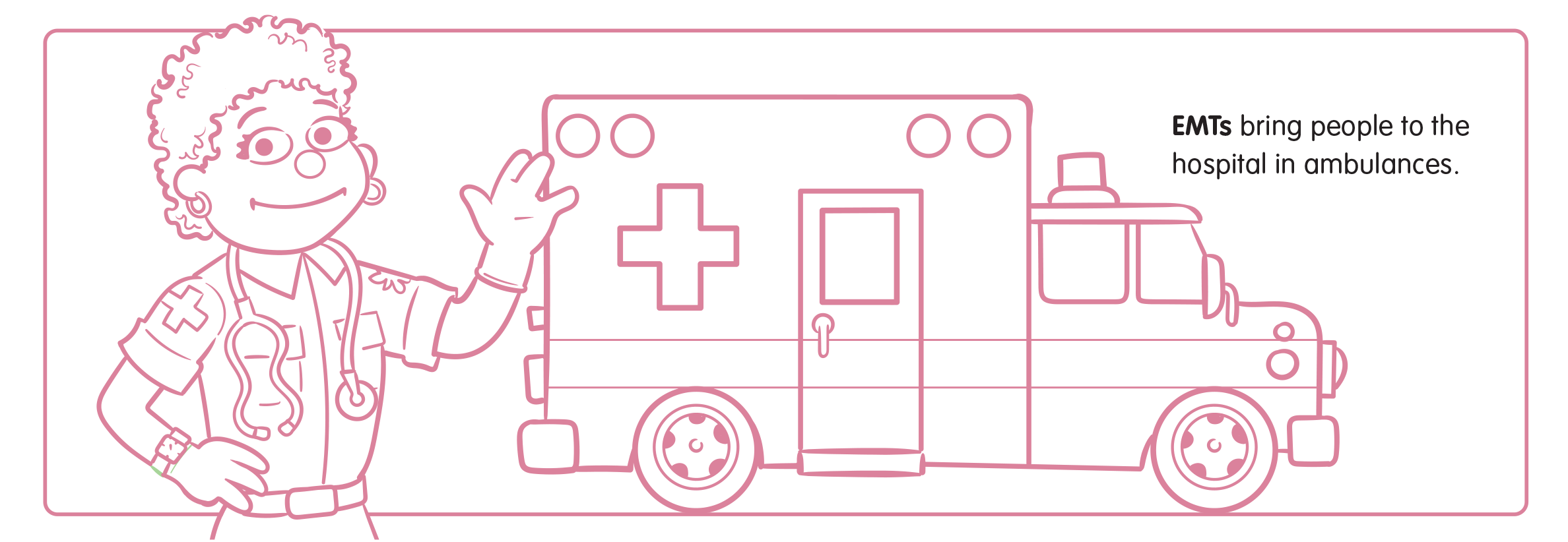
After an emergency, it can be reassuring to know that there are many people working to make things better. Let children know that there are helpers are all around, talk about their jobs then encourage children to color in the picture. You might see:
» Emergency Responders
» Utility crews
» Plumbers and electricians
» Volunteers handing out supplies
» Neighbors helping neighbors
» Doctors and nurses at clinics or mobile units
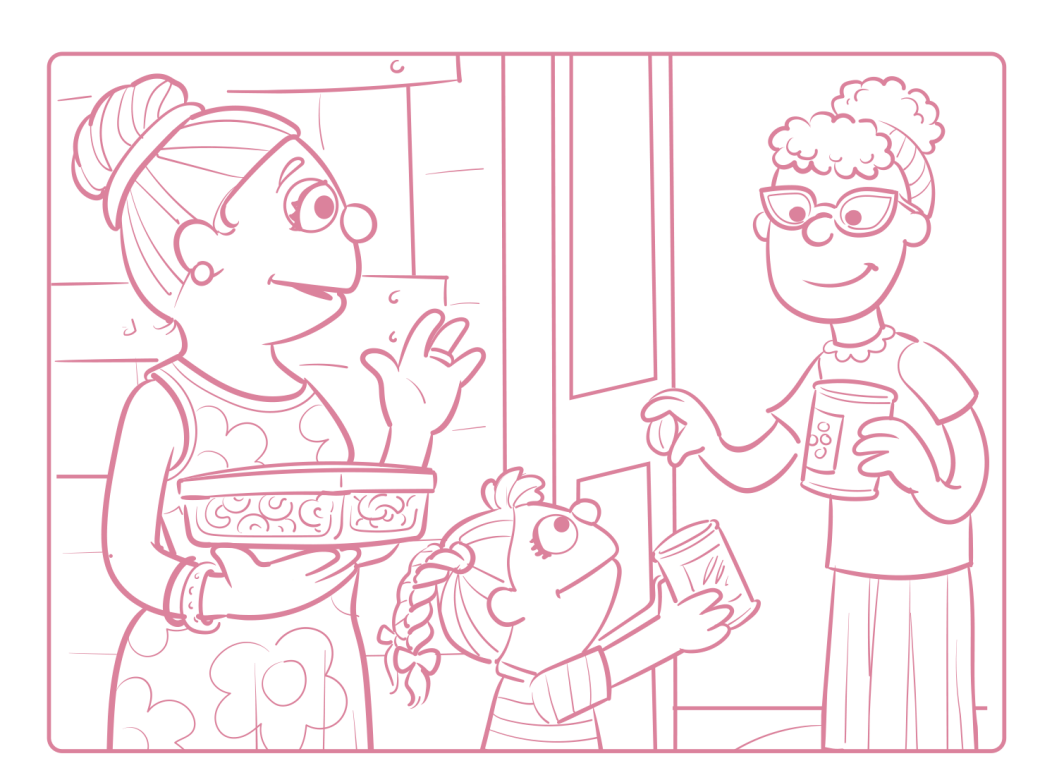
Neighbors Helping Neighbors: Every neighbor can be a helper! Sharing supplies, making community meals, and checking in on each other helps the whole community through hard times.
Take Care of Yourself
After an emergency, it’s normal to feel stressed, tired, or overwhelmed. When you care for yourself, you can better comfort and protect children—and little ones learn lifetime lessons by watching their parents take care of themselves and build their own resilience. Each day, try to do something that helps you.
Breathe
Close your eyes and put your hands on your belly. Take a slow, deep breath in through your nose and slowly out through your mouth. You might also slowly raise and lower your arms as you breathe… and pretend you are flying like a butterfly!
Relax
To relieve muscle tension, roll your neck and shoulders or make big arm circles.
Stay Active
Even five minutes of stretching can help your body feel more relaxed and cared for. Remember to take care of your body in simple ways like eating and drinking water.
Connect
Reach out to someone you trust and can talk to—a relative, friend, faith leader, or counselor. Even a few minutes of rest, laughter, or connection helps rebuild strength. You are not alone.
Imagine
Close your eyes, take slow, deep breaths and picture a situation or place that feels peaceful. Sing or listen to a favorite song. “Dig deep” for the best, strongest parts of yourself. This will help keep you steadier and remind you that you can keep it together for your little ones.
Show
Let your children see you take care of yourself, it helps them learn how to care for themselves too!
Story: Hugs All Around
Elmo’s day started with the sun shining through his window and a warm good-morning hug from Mommy. Getting hugged by his family and friends is Elmo’s favorite way to begin the day, but he loves giving hugs, too! So Elmo went all around Sesame Street to share some fuzzy hugs with his favorite friends and neighbors.
First, he spotted his friend Alan working at Hooper’s Store. Elmo spread his arms wide open and said, “Here’s a big thank-you hug for always being there to listen to Elmo when he needs a friend!”
Then, Elmo saw Zoe, who was feeling a little scared because a very loud fire truck had just passed by. “That’s too loud!” she said. Elmo reassured her that the loud siren means that firefighters are going to help somebody. Elmo then gave her a tight we-are-safe hug and she didn’t feel so frightened anymore.
Finally, when Elmo got back home, it was time for bed. Elmo and Daddy snuggled under the blanket
and read their favorite book together. They gave each other a very long I-love-you hug. Elmo couldn’t think of a more perfect way to end his hug-filled day!
Our Favorite Things
Sesame Street friends have a favorite toy or animal friend that helps them feel better when they have a big feeling. Have your child choose one of these cards to hold when they need a Sesame Street friend to help them feel better.
Memory Game Instructions
- Play with a friend. Cut apart these cards and lay them face down in a big square shape.
- Take turns flipping over cards, two at a time. If the cards match, keep them and take another turn. If the cards do not match, turn them back over in their places and try to remember the cards you’ve seen so you can find matches in the next turn. Let your friend take a turn.
- Play until all the cards have been matched.

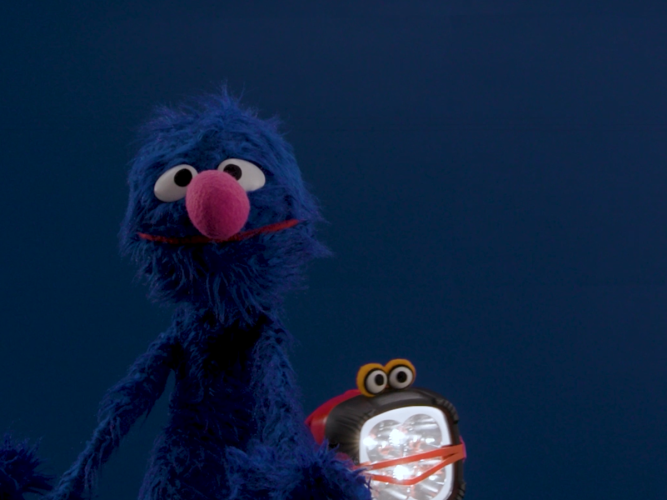
Grover Learns How to Stay Safe in a Blackout
Grover (and his handy friend Flashlight!) talk about how to prepare for a blackout.

Getting Ready for Hurricane Season
Elijah and Wes work together to prepare for a hurricane.
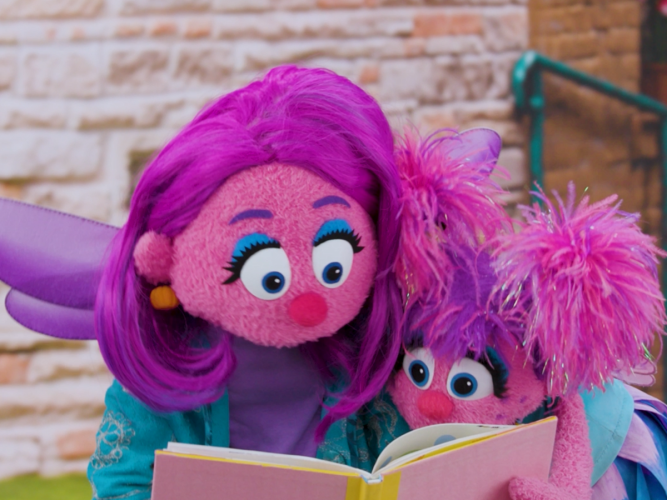
Preparing for Wildfires
Maggie and Abby learn about and prepare for wildfire season.

Preparing for Tornado Season as a Family
Louie and Elmo get ready for Tornado Season.
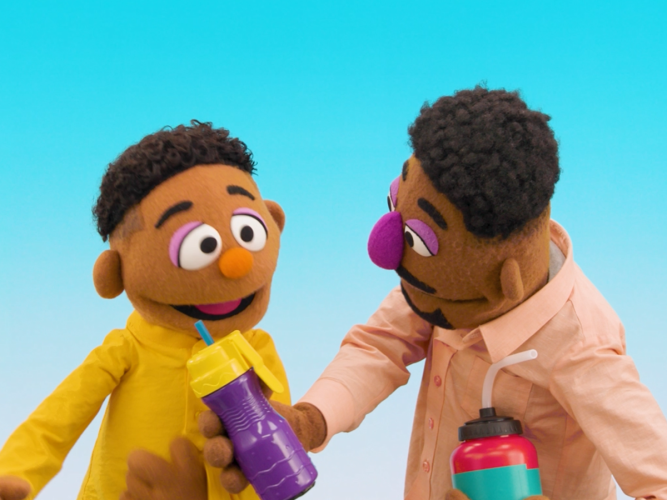
Heatwave Safety with Wes and Elijah
Learn some safety strategies for extra sunny days.

Emergency Preparedness Basics
Elmo and Louie take some time to get prepared as a family.
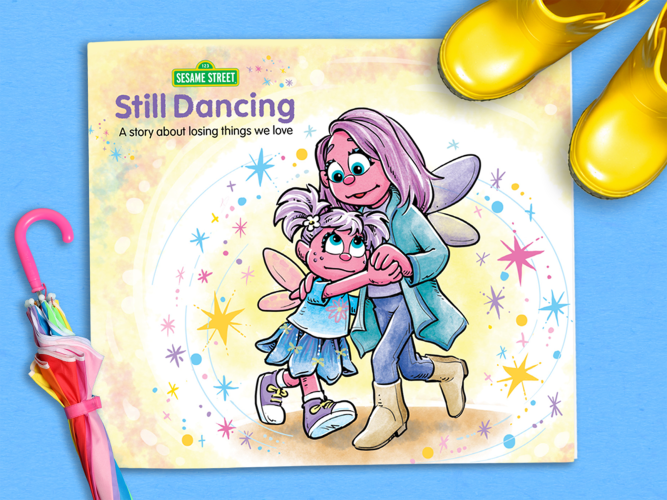
Still Dancing
A storybook to help children cope with losing something they loved.